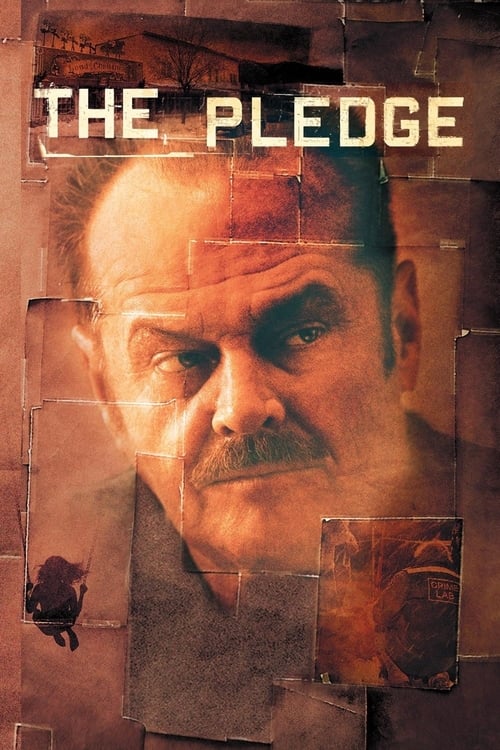
The Pledge
2001
No user ratings available yet
Representation score: 3.2 out of 10

Representation Score
Fair
2008
RDirector
Clint Eastwood
Runtime
142 minutes
Average Rating
No ratings yetNew Showbiz Analysis
Changeling is a period drama that prioritizes a critical examination of systemic authority over demographic variety. While the historical setting restricts LGBTQ+ and racial representation, the film excels in challenging traditional power structures. The narrative centers on a woman's fight against a corrupt, patriarchal institution. This focus transforms the film into a nuanced exploration of gendered power imbalances and institutional deception. Ultimately, the film's progressive value lies in its portrayal of the pursuit of justice as an individual battle against an oppressive and deceptive bureaucracy.
Category Breakdown
The film is set in a time when LGBTQ+ identities were not widely recognized. There are no characters or dynamics that explore queer relationships or identities.
Christine Collins is a strong female lead who challenges a male-dominated system. She demonstrates intelligence and moral courage in the face of institutional corruption.
The film is set in 1928 and focuses on a white, middle-class protagonist. It does not include significant racial blending or diverse casting.
The narrative critiques Western institutions, showing the police and state bureaucracy as corrupt and oppressive. It emphasizes the importance of individual truth over institutional reputation.
The film addresses the psychological impact of trauma and mental health struggles due to grief. However, these elements are portrayed as plot consequences rather than through characters with specific ability to act.
Present on Screen
Limited or Absent
Official Synopsis
Los Angeles, 1928. When single mother Christine Collins leaves for work, her son vanishes without a trace. Five months later, the police reunite mother and son. But when Christine suspects that the boy returned to her isn't her child, her quest for truth exposes a world of corruption.
2001
2009
2013
1985
2009
1987
1997
1948
No reviews yet. Be the first to share your thoughts on this movie!
Use the rating form above to leave a star rating and optional review.