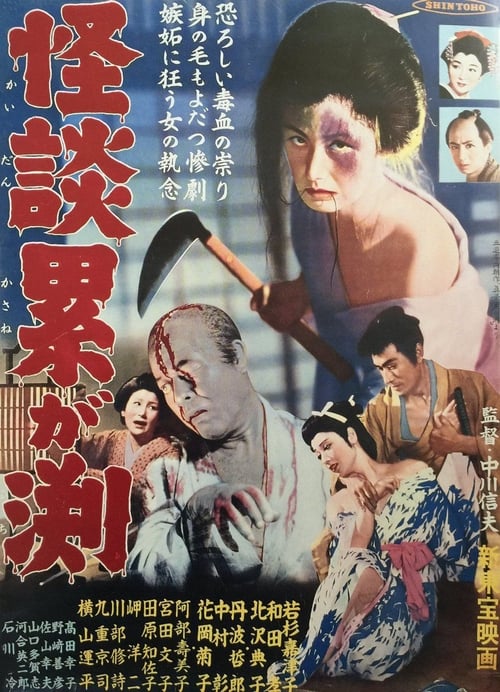
The Ghost of Kasane
1957
No user ratings available yet
Representation score: 3.7 out of 10

Representation Score
Good
1969
Director
Kazuo Mori
Runtime
94 minutes
Average Rating
No ratings yetNew Showbiz Analysis
The film provides a sophisticated critique of systemic power by dismantling the stereotype of the competent patriarch. While the setting is ethnically uniform, the narrative uses folk horror to challenge social and economic structures. Gender representation stands out as a strength, with the protagonist's moral decline contrasting with the female lead's reclaiming of power. However, the film lacks diverse representation of LGBTQ+ identities. Ultimately, the work succeeds by using disability and gender subversion to highlight the failings of a rigid, class-driven society.
Category Breakdown
The film does not include any LGBTQ+ characters or non-straight relationships. The story focuses on a troubled heterosexual marriage and the quest for social standing.
The narrative challenges traditional gender roles by depicting the male lead as morally bankrupt and incompetent. The female lead, Oiwa, transforms from a victim to a powerful, autonomous figure.
Set in 1786 Japan, the cast is ethnically uniform. The film adheres strictly to the cultural and ethnic context of the Edo period without broadening its demographic range.
The story critiques rigid class hierarchies and the moral decay caused by materialism. It portrays the family unit as a site of betrayal rather than a stable institution.
Characters with disabilities, such as a half-blind masseur and the disfigured Oiwa, play significant roles in the plot and character development. Their physical traits are central to their stories and arcs.
Present on Screen
Limited or Absent
Official Synopsis
About 1786 the doings of a demented lord results in many masterless samurai, including Iyemon (Kei Sato) who is used to luxury and cannot adjust to the hand-to-mouth conditions & piecework of umbrella making. Having hired ruffians to make him look like a superior swordsman, he arranges for himself the opportunity of a profitable marriage. He hires the half-blind masseur Takuetsu (Sawamura Sounosuke) to seduce or rape his wife (Kyoko Mikage), so that she can be divorced or killed for adultery. But the masseur takes pity & informs Oiwa of her husband's horrid plot. Assisted by the merchant's daughter he intends to marry, Iyemon disfigures his wife attempting to poison her so he can marry higher. There's a lovingly gruesome sequence as she combs blad patches into her hair, kneeling deformed at her mirror, weeping with bitterness. She eventually cuts her own throat, swearing revenge.
1957
1964
1965
1968
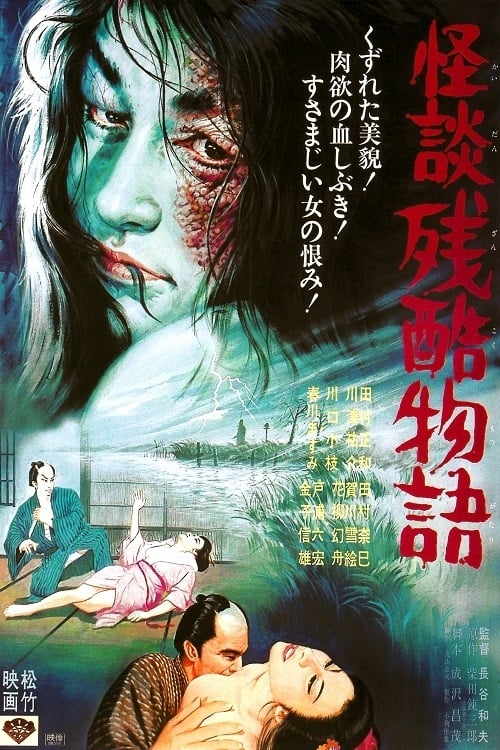
1968
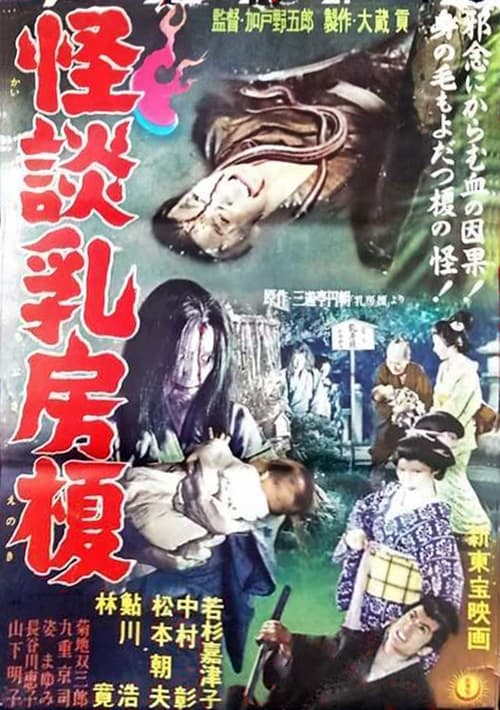
1958

1968
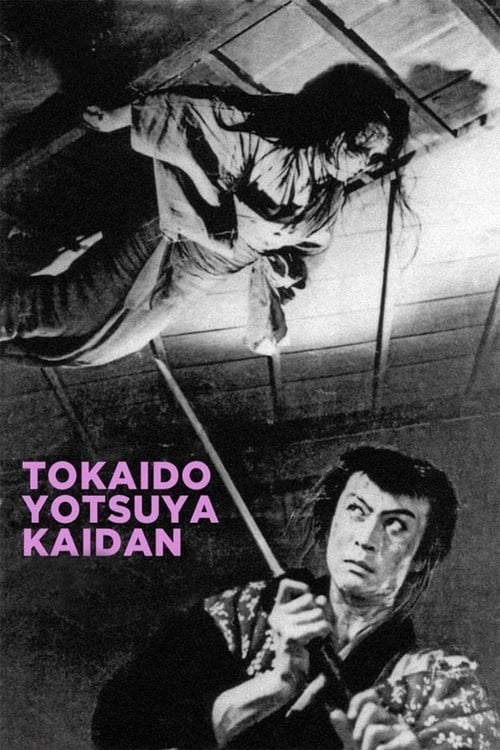
1959
No reviews yet. Be the first to share your thoughts on this movie!
Use the rating form above to leave a star rating and optional review.