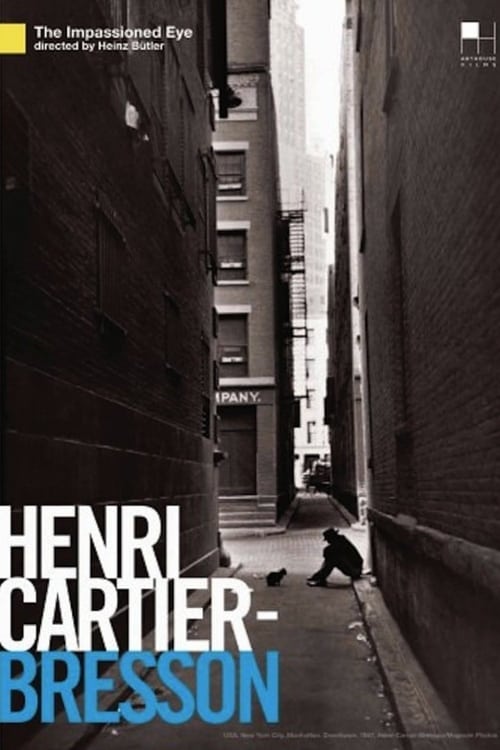
Henri Cartier-Bresson: The Impassioned Eye
2003
No user ratings available yet
Diversity score: 3.8 out of 10
2019
Director
Baris Azman
Runtime
32 minutes
Average Rating
No ratings yetSynopsis
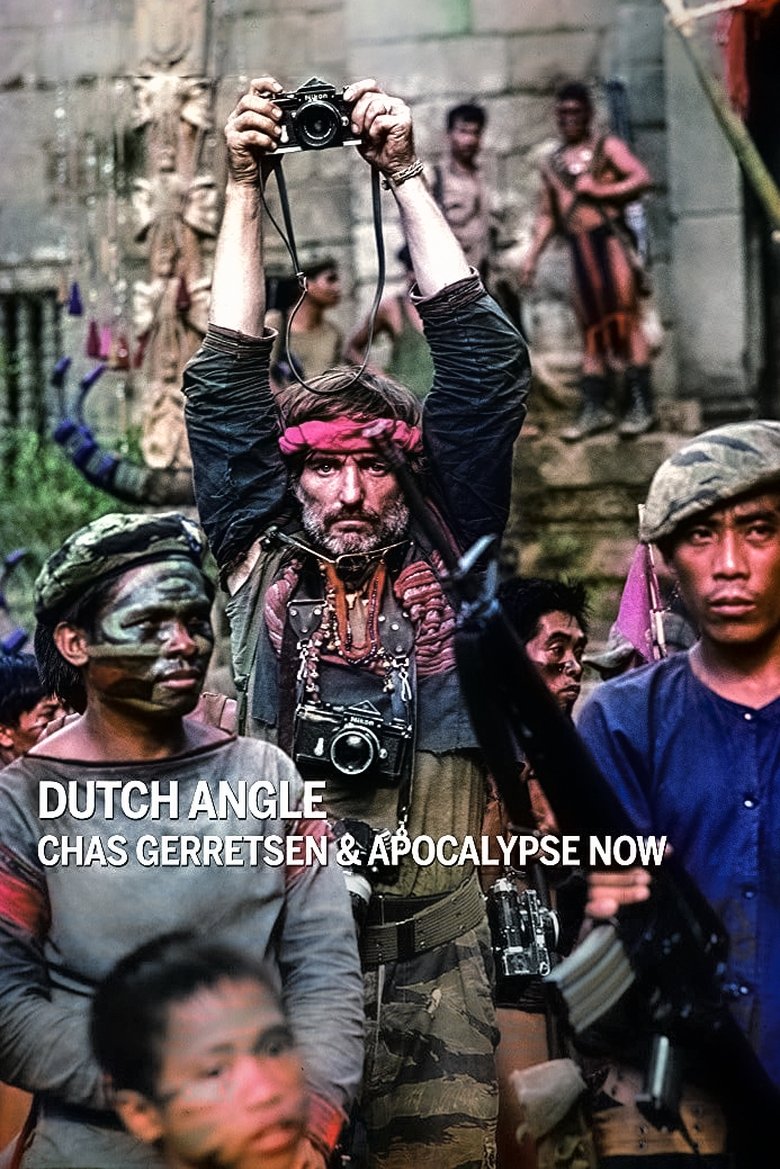
In the 1970s, Dutch photographer Charles ‘Chas’ Gerretsen suddenly became world famous with his then small oeuvre. Privateer from a young age and former war photographer, he was invited by Francis Ford Coppola to capture everything on the set of Apocalypse Now because of his wartime experiences. Most of his work on the legendary set has never been seen before. Until now. In honor of the 40th anniversary of Apocalypse Now, Rotterdam-based cinema KINO Rotterdam and the Nederlands Fotomuseum joined forces to unearth the archive of Gerretsen and produced a documentary together. The documentary contains an in-depth interview with Gerretsen and more than 100 pictures of the stellar cast including Marlon Brando, Dennis Hopper and Martin Sheen. It even features images of deleted scenes.
Overall Score
Fair
Category Breakdown
LGBTQ+ Representation
The documentary focuses on the biographical life of Chas Gerretsen and the production of a specific film. It contains no LGBTQ+ characters or themes.
Gender Representation
The film centers on the male-dominated worlds of 1970s war photography and hyper-masculine film sets. It relies heavily on traditional masculine archetypes common to that era.
Racial & Ethnic Diversity
While the primary subjects are Western, the visual archive captures the racial complexities of the Vietnam War. However, agency remains centered on the white photographer.
Religious & Cultural Diversity
The narrative explores the deconstruction of Western military intervention and the subjectivity of truth. It offers a skeptical view of traditional institutional power.
Disability Representation
There is no evidence regarding the portrayal of physical or neurodivergent disabilities within this archival study.
Strengths
Areas for Improvement
AI Analysis
This documentary serves as a historical archive rather than a vehicle for social representation. It documents a specific, male-centric era of photojournalism and cinematic history through the lens of Chas Gerretsen. The film's impact lies in its ability to disrupt conventional historical narratives. By providing unmediated access to the intersection of art and conflict, it offers a complex view of 1970s systemic realities. Ultimately, the work is a biographical study of a specific professional niche, which limits its breadth of social diversity.
2003
2020

2003
2009

2015
2007

2008
1963
1957
2013

1970

2021
No reviews yet. Be the first to share your thoughts on this movie!
Use the rating form above to leave a star rating and optional review.