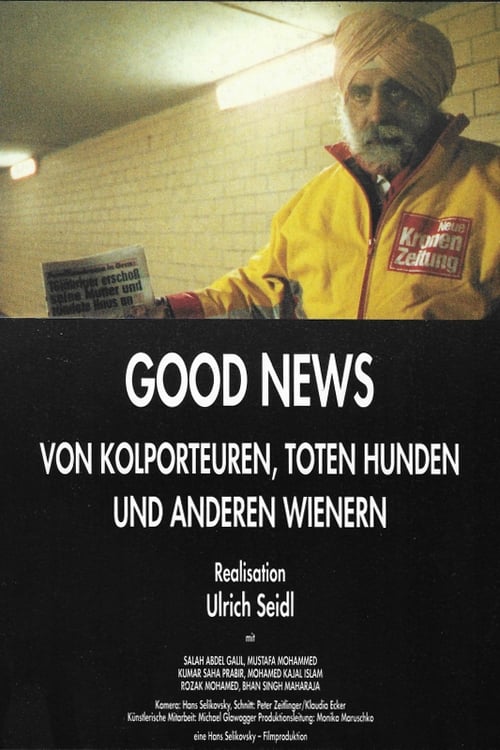
Good News: Newspaper Salesmen, Dead Dogs and Other People from Vienna
1990
No user ratings available yet
Representation score: 7.2 out of 10
Representation Score
Limited
1932
Director
Ella Bergmann-Michel
Runtime
22 minutes
Average Rating
No ratings yetNew Showbiz Analysis
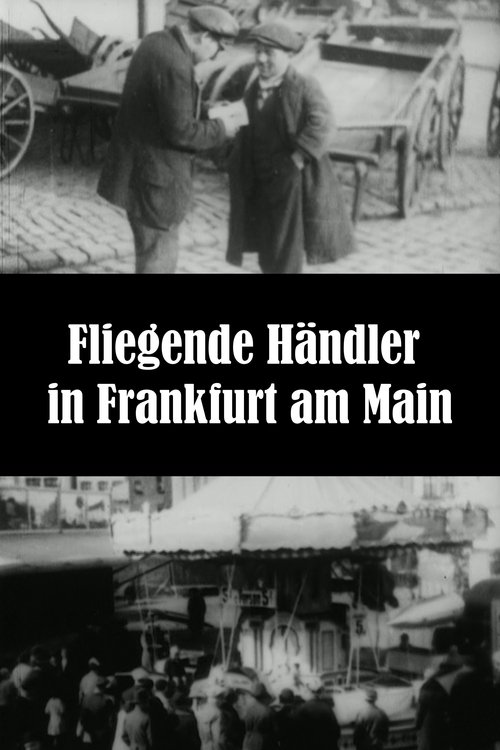
This documentary serves as a sociological study of economic precarity during the Weimar Republic. It captures the collective experience of underrepresented people navigating systemic struggle. The film uses the motif of unlicensed vendors evading police to critique the tension between state-sanctioned commerce and survival. It frames the struggle of the working class as a resourceful response to fractured economic landscapes. While the film excels at social critique and capturing urban reality, it lacks explicit representation of LGBTQ+ identities or specific disability narratives. Its focus remains primarily on class-based struggle and institutional friction.
Category Breakdown
The film does not include any LGBTQ+ characters or narratives. There are no depictions of non-straight relationships or identities.
Bergmann-Michel's direction challenges the era's male-dominated cinematic gaze. The film highlights the communal, survivalist ability to act among the disenfranchised.
The cast likely reflects the demographics of 1932 Frankfurt. However, the documentation does not explicitly highlight diverse racial backgrounds within the street scenes.
The film offers a profound critique of Western institutional stability. It celebrates resilience by framing survival-based ingenuity as a response to state-mandated economic obstacles.
There is no specific evidence regarding the portrayal of individuals with physical or neurodivergent disabilities in the available synopsis.
Present on Screen
Limited or Absent
Official Synopsis
A documentary about unemployed people who bought fruit and vegetables at moderate prices at the wholesale market and sold these in the streets of Frankfurt. Since they had no permits they were constantly with their bulky carts on the run from the police. One part of the film was shot at the fairgrounds in front of the wholesale market. Newspaper and lottery ticket vendors, propagandists offering their ware for a few pfennigs, all convey the mood of a time when need made people inventive.
1990
2000
1903

2000
1903

1929
1905
2014
No reviews yet. Be the first to share your thoughts on this movie!
Use the rating form above to leave a star rating and optional review.