
Travelling Hawkers in Frankfurt am Main
1932
No user ratings available yet
Representation score: 3.6 out of 10
No Poster Available
Representation Score
Limited
1903
Director
A.C. Abadie
Runtime
2 minutes
Average Rating
No ratings yetNew Showbiz Analysis
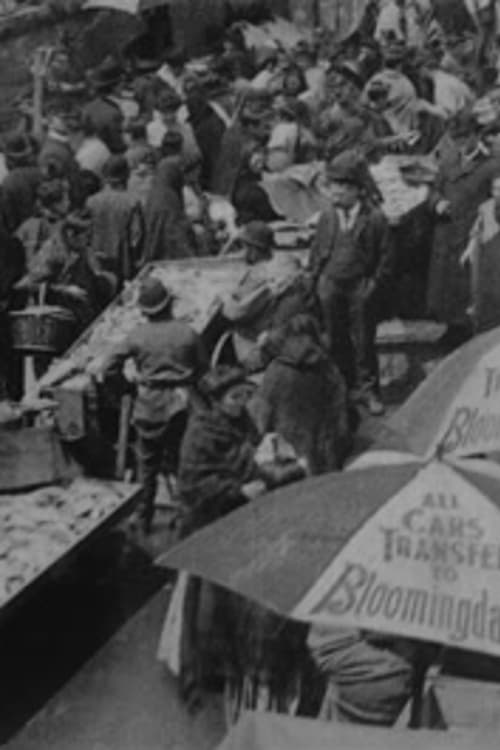
Move On serves as a historical record of early 20th-century New York street life. Its main strength lies in its detailed documentation of Jewish and Italian immigrant communities, offering a unique look at ethnic diversity in America. However, the film lacks depth in portraying individual characters. The subjects are observed primarily as part of a larger spectacle, emphasizing their anxiety and fear rather than exploring their identities in detail. The power dynamics are hierarchical, with the state exerting control over the laborers.
Category Breakdown
The film does not include any characters or narratives related to LGBTQ+ identities. Given the time period, there is no depiction of non-straight relationships.
The film focuses mainly on male vendors and police officers. Women and children seem to have little influence or control in this portrayal of public life.
The footage highlights Jewish and Italian immigrant communities, capturing the blend of ethnic identity and urban labor in New York City.
The film documents the conflicts between immigrant groups and city authorities. It serves as a witness to social tensions and economic hardships faced by immigrants.
There is no depiction of characters with visible or invisible disabilities in this footage.
Present on Screen
Limited or Absent
Official Synopsis
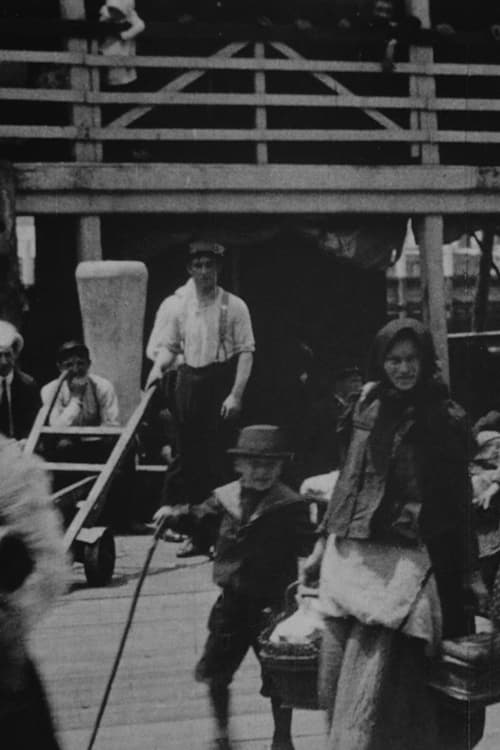
In certain sections of New York City large numbers of Jewish and Italian push-cart vendors congregate so closely along the sidewalks that they interfere with traffic. Policemen keep them moving. The picture shows how the frightened peddlers hurry away when a bluecoat appears. Some of the carts are piled high with fruits of all kinds, and it is interesting and amusing to see the expressions of combined fear and anxiety on the faces of the men as they hurry away; the fear of being arrested if they stand, and of losing some of their wares if the carts strike an obstruction in the street. Very fine photographically. (Edison film company catalog)
1932

2000
1903
2002
1903
1896

1896
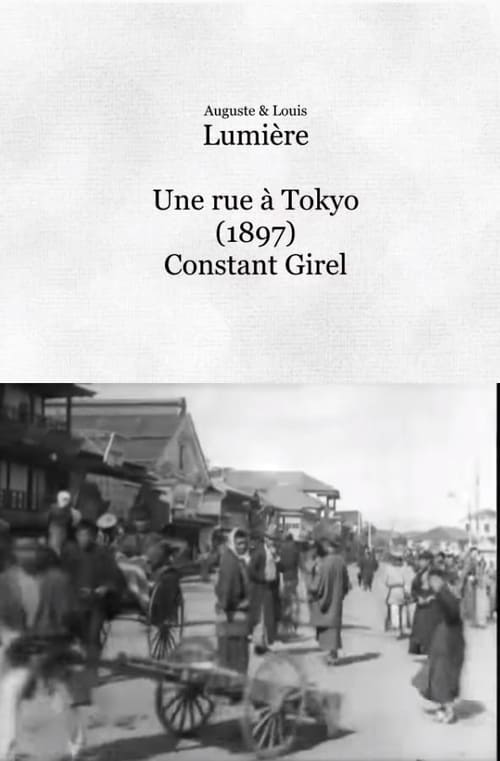
1897
No reviews yet. Be the first to share your thoughts on this movie!
Use the rating form above to leave a star rating and optional review.