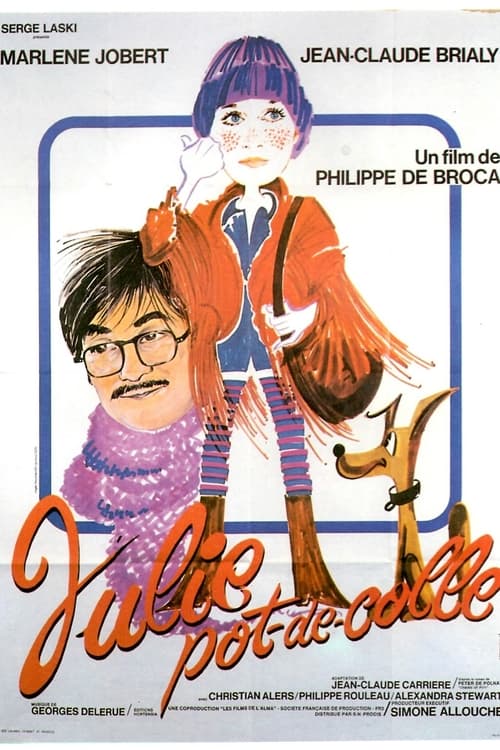
Julie pot-de-colle
1977
No user ratings available yet
Representation score: 2.2 out of 10
Representation Score
Minimal
1969
M/PGDirector
Philippe de Broca
Runtime
90 minutes
Average Rating
No ratings yetNew Showbiz Analysis
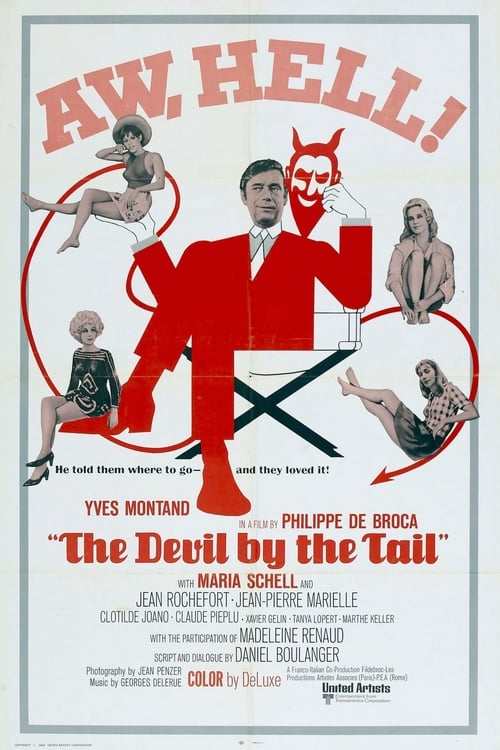
The Devil by the Tail is a traditional situational comedy that prioritizes comedic conflict over challenging social norms. While it offers a nuanced look at economic survival through moral ambiguity, it remains largely aligned with the conventional cinematic formulas of its era. The film lacks intentional complexity in reflecting multiple aspects of identity. It functions primarily as a localized European comedy, focusing on the struggle for financial survival rather than disrupting social hierarchies. Ultimately, the production reflects the demographic and social norms of 1969, providing little representation for underrepresented identities or non-traditional social structures.
Category Breakdown
The film adheres to the traditional social frameworks of late-1960s European comedy and does not include any visible LGBTQ+ characters or narratives that question the assumption that everyone is straight.
While the film features prominent female leads like Maria Schell and Marthe Keller, the plot relies on traditional gender roles and lacks any challenge to gender hierarchies.
The production reflects the demographic homogeneity typical of mid-century European cinema, with a cast and setting that appear localized to a French-Italian context without significant racial diversity.
The narrative explores moral relativism through the lens of economic desperation, framing the characters' anti-social survival tactics as a response to economic struggles.
There is no documented evidence of characters with visible or invisible disabilities. The film does not feature neurodivergent representation.
Present on Screen
Limited or Absent
Official Synopsis
In this comedy, a run-down hotel drums up customers by sabotaging passing cars. The stuck motorists are then obliged to stay. Unfortunately, one of the sabotaged cars belongs to a bank robber. The hotel staff wants the robber out, but they also want to keep his ill-gotten money.
1977
1965
1977
1985
1964
1962
1959
1966
No reviews yet. Be the first to share your thoughts on this movie!
Use the rating form above to leave a star rating and optional review.