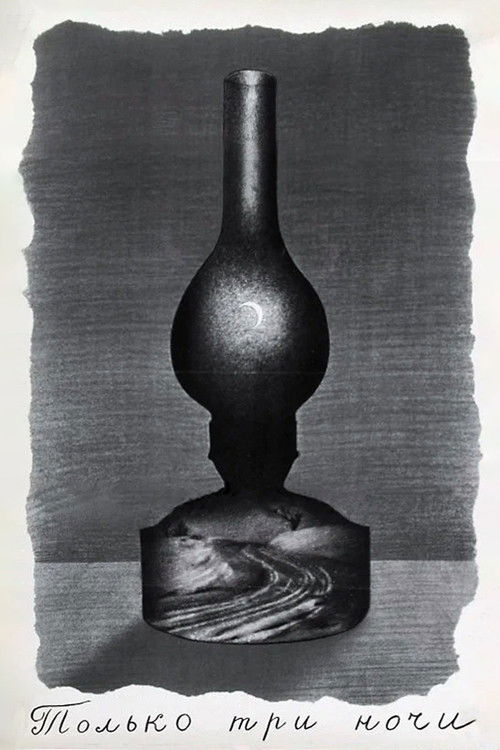
Only Three Nights
1969
No user ratings available yet
Representation score: 4.7 out of 10
Representation Score
Fair
1992
Director
Mircea Săucan
Runtime
73 minutes
Average Rating
No ratings yetNew Showbiz Analysis
The film stands out in its cross-cultural exploration, using the blend of Romanian and Russian identities to transcend national boundaries. Its historical significance as a banned work underscores its cultural importance, highlighting personal connections over state restrictions. However, the representation remains confined by a traditional romantic framework, lacking visible disability or queer identities. Ultimately, the work offers a nuanced look at intimacy and identity, set against geopolitical tensions.
Category Breakdown
The film focuses on a heterosexual relationship between a soldier and a woman from Moscow. There are no queer subtexts or non-cisgender identities represented.
The leads engage in intense and lyrical conversations, emphasizing emotional intimacy and shared control rather than traditional gender roles.
The story explores cross-cultural identity through a Romanian soldier and a Russian woman. Bilingual dialogue bridges their distinct backgrounds.
The film critiques institutional norms through its history of state censorship. It emphasizes individual emotional freedom over political mandates.
There are no characters with visible or invisible disabilities mentioned in the narrative.
Present on Screen
Limited or Absent
Official Synopsis
In the summer of 1962, a soldier on leave and a girl from Moscow enjoy a brief but intense love affair on the shores of the Black Sea. Their love games mesh with the games of children on the beach; their dialogues are a mixture of Romanian and Russian, humorous and lyrical at the same time. But the soldier has to return to duty, and all that's left for the girl is the hope that the two will meet again some day. The movie was banned and never released in theaters in Romania, the premiere was in Israel, 1992.
1969

1971
1985
1957
1971
1997
1984

1965
No reviews yet. Be the first to share your thoughts on this movie!
Use the rating form above to leave a star rating and optional review.