
Until They Sail
1957
No user ratings available yet
Representation score: 2.2 out of 10
Representation Score
Limited
1972
PGDirector
Mark Robson
Runtime
112 minutes
Average Rating
No ratings yetNew Showbiz Analysis
Limbo presents a nuanced exploration of the impact of external modernization on traditional social orders. Its strength lies in its authentic ethnic casting and its post-colonial critique. However, the film remains tied to traditional social conventions, lacking LGBTQ+ representation and adhering to traditional gender roles. Ultimately, it succeeds in cultural authenticity but falls short in modern diversity.
Category Breakdown
The film does not include any LGBTQ+ characters or those with non-traditional gender identities. The story revolves around conventional relationship structures within the village.
Women are portrayed through traditional domestic and communal roles. The narrative does not challenge existing gender hierarchies or male authority.
An indigenous cast adds ethnic authenticity to the setting. The film avoids whitewashing by focusing on a non-Western, localized population.
The story offers a critique of external authority from a post-colonial perspective. It prioritizes local traditions and communal dignity over Western institutional frameworks.
There is no significant evidence regarding the portrayal of visible or invisible disabilities in this film.
Present on Screen
Limited or Absent
Official Synopsis
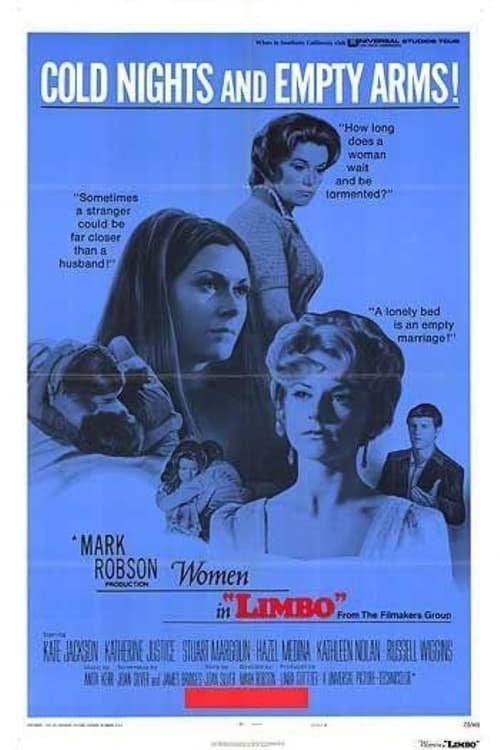
A ride to the airport unites three women whose husbands are either prisoners or missing in Vietnam.
1957
1978

1979
1958

1984

1955
1971

1960
No reviews yet. Be the first to share your thoughts on this movie!
Use the rating form above to leave a star rating and optional review.