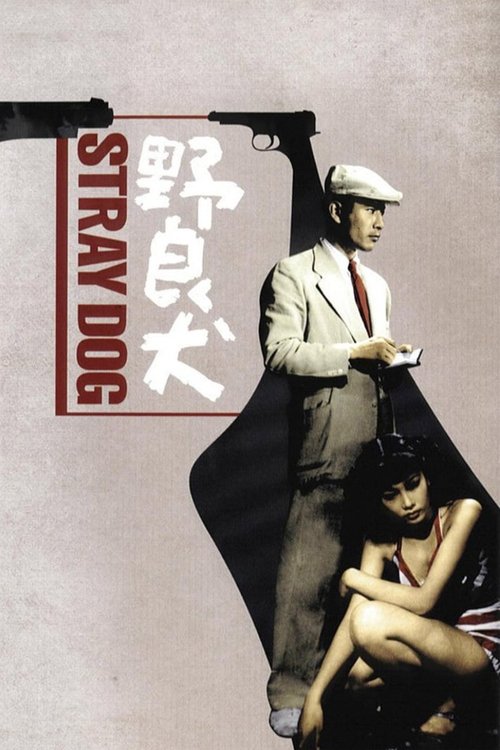
Stray Dog
1949
No user ratings available yet
Representation score: 4.5 out of 10
Representation Score
Limited
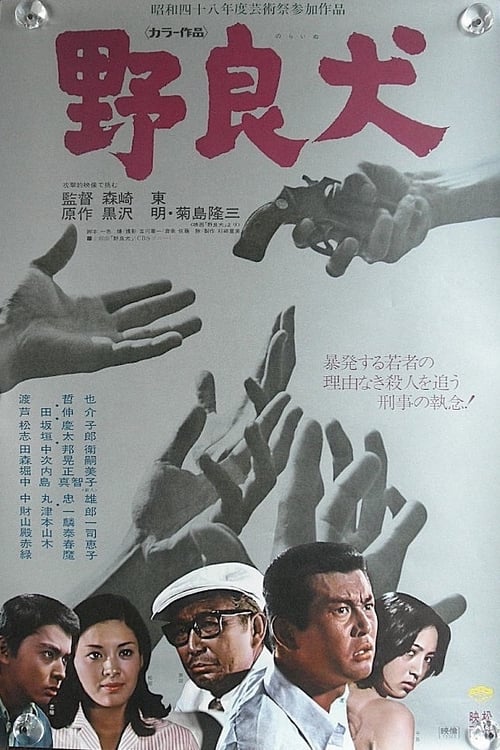
1973
Director
Azuma Morisaki
Runtime
104 minutes
Average Rating
No ratings yetNew Showbiz Analysis
Stray Dog is a crime thriller that finds its strength in ethnic specificity. By centering the conflict on Okinawan youths, the film introduces regional complexity that moves beyond a monolithic view of Japanese society. However, the film remains heavily anchored in traditional masculine structures. The narrative drive relies on the professional hierarchy and honor of male detectives, leaving little room for diverse gender expressions or LGBTQ+ perspectives. Ultimately, while the inclusion of Okinawan identity provides a meaningful layer of diversity, the film's reliance on conventional genre clichés limits its broader social engagement.
Category Breakdown
The film does not include explicit LGBTQ+ characters or non-cisgender identities. It focuses on a procedural crime thriller without addressing assumptions that everyone is straight or cisgender.
The plot centers on a traditional masculine hierarchy where male characters play a significant role in driving the story. The narrative emphasizes concepts of honor and competence among male professionals.
The story disrupts depictions of a homogeneous society by featuring a gang of Okinawan youths, adding regional and ethnic complexity to the plot.
The film operates within a standard crime-drama framework. While it explores social friction, it does not explicitly critique institutions or promote specific secularist ideologies.
There is no information available regarding the depiction of physical or mental health disabilities. No characters are identified with specific neurodivergent traits.
Present on Screen
Limited or Absent
Official Synopsis
When his pistol is stolen, police detective Murakami is humiliated, especially when the gun is later implicated in a crime. Working with his superior, Chief Detective Sato, Murakami works feverishly to trace the location of his pistol, ultimately clashing with a gang of youthful Okinawans.
1949
1974

1967

1999

1960
1970
1977
2018
No reviews yet. Be the first to share your thoughts on this movie!
Use the rating form above to leave a star rating and optional review.