Yaaba
1989
No user ratings available yet
Representation score: 7.1 out of 10
Representation Score
Excellent
2004
TV-PGDirector
Javier Fesser
Runtime
30 minutes
Average Rating
No ratings yetNew Showbiz Analysis
Binta and the Great Idea succeeds by shifting the cinematic lens toward a West African perspective. By centering a young Senegalese girl, the film provides ability to act to a non-Western protagonist and explores themes of education and intellectual curiosity through a surrealist animation style. The film's strength lies in its subversion of traditional gender roles, placing a female child at the heart of the emotional arc. It avoids common clichés by focusing on the protagonist's internal world and her community's collective ideas. However, the narrative does not engage with LGBTQ+ themes or specific disability representations. While these omissions do not result in negative clichés, they represent areas where the film remains neutral rather than actively inclusive.
Category Breakdown
The film focuses on the protagonist's childhood and imaginative life. It does not explicitly depict LGBTQ+ identities or relationships that challenge the assumption that everyone is straight or cisgender.
Binta serves as a central figure in her own story rather than a character in need of rescue. The narrative emphasizes the importance of education and female intellectual empowerment.
The story centers on a Senegalese protagonist and a West African cultural context. This approach challenges Western-centric storytelling through a vibrant, non-stereotypical portrayal.
The film prioritizes communal ideas and individual imagination over hyper-individualistic Western clichés. It views education as a vital tool for social mobility and personal empowerment.
There are no specific depictions of physical or neurodivergent disabilities. The film maintains a neutral stance without using disability as a plot device.
Present on Screen
Limited or Absent
Official Synopsis
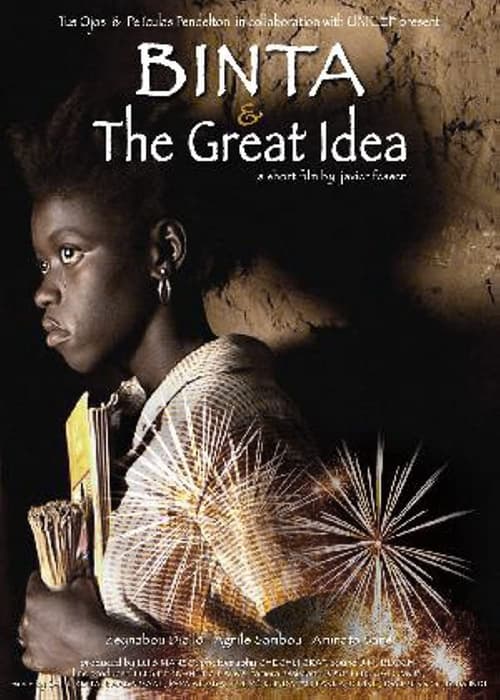
Binta, a little girl from Senegal, tells us about the everyday life in her village, the importance of education for the girls, and about her father's great idea to make the world a better place.
1989

1999
2019
2002
2002
2010
1988
2016
No reviews yet. Be the first to share your thoughts on this movie!
Use the rating form above to leave a star rating and optional review.