Flash
1997
No user ratings available yet
Representation score: 2.0 out of 10
Representation Score
Limited
1976
GDirector
Charles Jarrott
Runtime
104 minutes
Average Rating
No ratings yetNew Showbiz Analysis
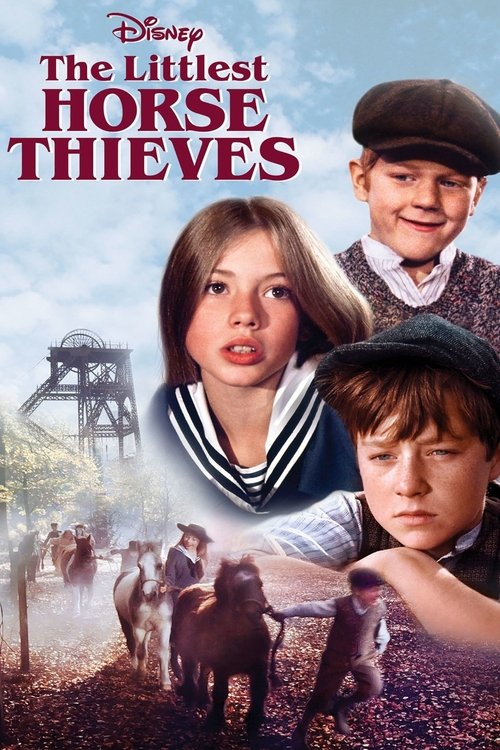
The film functions primarily as a class-based social drama rather than a modern exploration of identity. It focuses on the friction between industrial mechanization and communal ethics in a Yorkshire coal mine. While the narrative lacks representation across race, gender, and sexual orientation, it finds strength in its critique of institutional authority. The plot uses a child-centric perspective to challenge the dehumanizing aspects of industrial progress. Ultimately, the film's diversity is limited by its specific temporal and geographic setting, which favors a localized, homogeneous working-class experience.
Category Breakdown
The film does not include any LGBTQ+ characters or non-cisgender identities. It follows a traditional social-realist framework typical of 1970s British family dramas.
The story centers on the ability to act of children to drive the plot, disrupting some adult-led hierarchies. However, the industrial setting suggests a traditional patriarchal structure. The narrative highlights the role of children in challenging established power dynamics.
The Yorkshire setting and era suggest a predominantly white, homogeneous demographic. The narrative focuses on a localized, working-class community.
The film critiques capitalist expansion by prioritizing communal welfare over profit. It frames the struggle between mine owners and miners through a lens of grassroots morality.
There is no indication of characters with visible or invisible disabilities within the narrative.
Present on Screen
Limited or Absent
Official Synopsis
When the owner of a Yorkshire coal-mine decides to mechanize to increase profits, the mine's pit ponies are scheduled to be destroyed. So, three children plan to steal them to keep them safe. But when they're caught, it's up to the mine owners and the miners themselves to decide what's right.
1997
1945
1959
1946
2013
2005
2013
1994
No reviews yet. Be the first to share your thoughts on this movie!
Use the rating form above to leave a star rating and optional review.