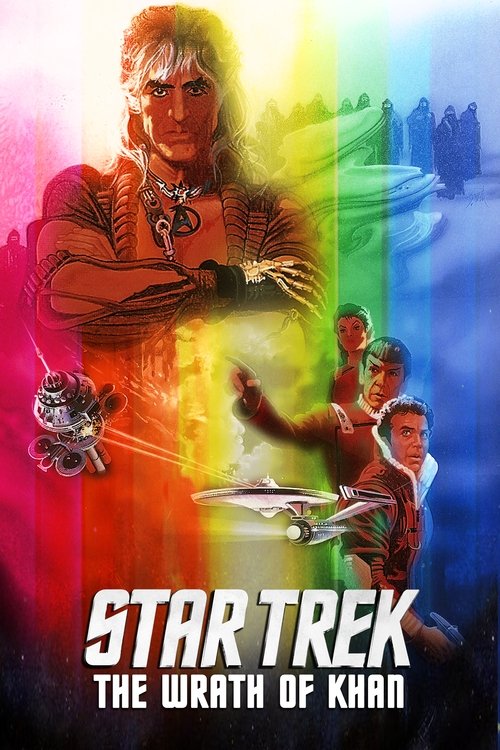
Star Trek II: The Wrath of Khan
1982
No user ratings available yet
Diversity score: 3.1 out of 10

1984
PGDirector
Leonard Nimoy
Runtime
105 minutes
Average Rating
No ratings yetSynopsis
A surprise visit from Spock's father provides a startling revelation: McCoy is harboring Spock's living essence.
Overall Score
Limited
Category Breakdown
LGBTQ+ Representation
The film lacks explicit LGBTQ+ characters or romantic arcs. While it emphasizes profound, metaphysical bonds of friendship, these connections remain within established heteronormative or platonic frameworks.
Gender Representation
Narrative structures lean heavily on masculine leadership and command hierarchies. While female characters like Uhura and Saavik hold significant roles, they operate within existing military-style structures rather than subverting them.
Racial & Ethnic Diversity
A diverse ensemble is maintained through high-ranking officers of color, such as Uhura. The Vulcan culture also serves as a successful metaphor for exploring non-Western social customs and ritualistic logic.
Religious & Cultural Diversity
The film prioritizes scientific and philosophical inquiry over religious dogma through the Genesis effect. However, the narrative largely adheres to a structured, quasi-Western institutional framework via the Starfleet ethos.
Disability Representation
There is no significant or intentional focus on visible or invisible disabilities. Characters are portrayed through the lens of peak physical and mental capability required for space exploration.
Strengths
Areas for Improvement
AI Analysis
The film operates within a traditionalist framework of command and exploration. It benefits from the franchise's foundational commitment to racial inclusion and the exploration of non-human cultures, yet the narrative architecture remains anchored in conventional hierarchies. While the film avoids overt misogyny and total homogeneity, it reinforces traditionalist views of command. The inclusion of diverse perspectives in high-stakes roles provides meaningful representation without being transformative. Ultimately, the work balances established genre tropes with the progressive social legacies of the series, though it lacks deep engagement with queer identity or disability.
1982
1994

2002
1989
1991
2009
1996
2013
1979

2018
1996
2015
No reviews yet. Be the first to share your thoughts on this movie!
Use the rating form above to leave a star rating and optional review.