
Star Trek VI: The Undiscovered Country
1991
No user ratings available yet
Representation score: 6.4 out of 10
Representation Score
Limited
1982
PGDirector
Nicholas Meyer
Runtime
113 minutes
Average Rating
No ratings yetNew Showbiz Analysis
The film sets a multicultural baseline while adhering to the cinematic conventions of the 1980s. It emphasizes a professional, diverse crew where meritocracy trumps ethnic identity. However, the narrative does not challenge traditional gender roles or identity politics. The focus remains on institutional order and individual mortality rather than deconstructing systemic power structures. Ultimately, the film prioritizes psychological depth and the consequences of legacy over progressive social representation.
Category Breakdown
The film follows a traditional structure that assumes everyone is straight or cisgender. There are no explicit depictions of same-sex relationships or non-binary identities.
The film features a male-dominated leadership structure. Female characters like Saavik show strong professional skills, but their roles remain supportive rather than central.
The film includes a diverse cast, including characters like Uhura and Sulu, which normalizes a multicultural environment. Ethnicity is less important than professional competence.
The story highlights the stability of Starfleet's institutional framework. It presents a conflict between personal ambition and the collective responsibility of the crew.
The film does not focus on specific disabilities. Instead, it addresses the universal theme of aging and mortality rather than exploring neurodiversity or physical impairments.
Present on Screen
Limited or Absent
Official Synopsis
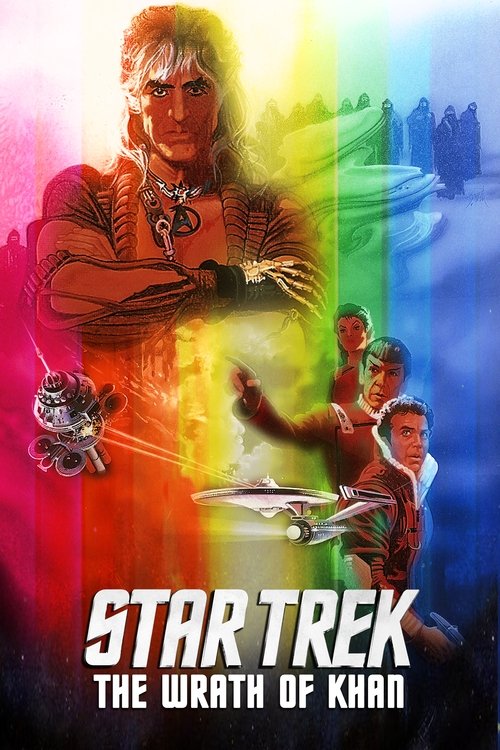
The starship Enterprise and its crew is pulled back into action when old nemesis, Khan, steals a top secret device called Project Genesis.
1991

1968
1984

1982

1994

1989

1996

1979
No reviews yet. Be the first to share your thoughts on this movie!
Use the rating form above to leave a star rating and optional review.