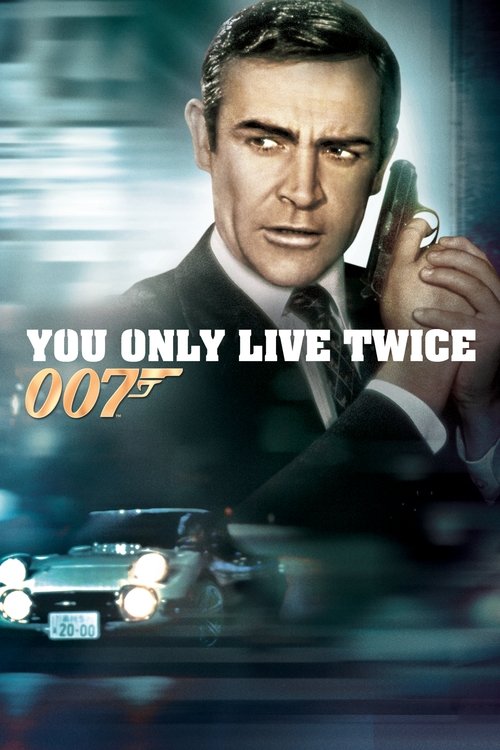
You Only Live Twice
1967
No user ratings available yet
Representation score: 1.4 out of 10
Representation Score
Limited
1979
PGDirector
Lewis Gilbert
Runtime
126 minutes
Average Rating
No ratings yetNew Showbiz Analysis
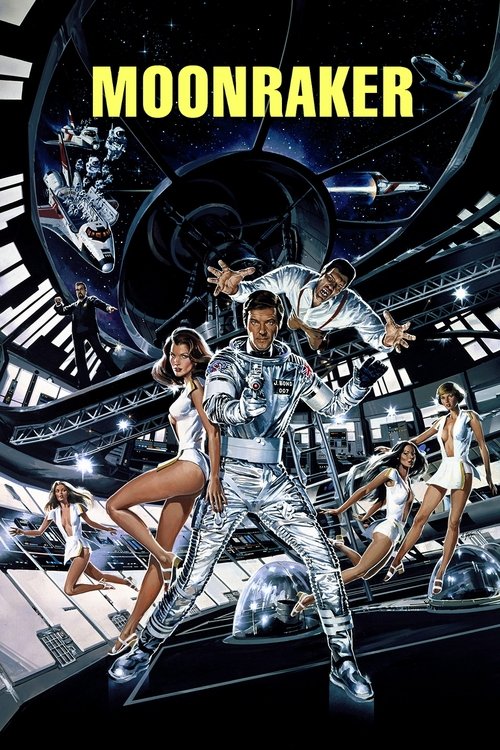
Moonraker operates as a traditional adventure film reflecting the social structures of the late 1970s. Although it introduces more professional roles for women, such as Dr. Holly Goodhead, it still adheres to conventional patriarchal dynamics and a Western-centric viewpoint. The film’s global setting provides a veneer of internationalism, but this often serves as a backdrop for Western protagonists. Despite critiquing eugenics and corporate power, the narrative remains within established genre conventions. Overall, the film relies on traditional character types and uses physical differences primarily for tension rather than character development.
Category Breakdown
The film follows traditional romantic tensions and focuses on heterosexual relationships. It does not include any queer subtext or characters with non-traditional gender identities.
Dr. Holly Goodhead stands out by offering intellectual expertise and ability to act, avoiding the damsel cliché. However, the film still uses Bond girls as objects of desire, reinforcing traditional gender roles.
While the film features a globalized setting, character's ability to drive the story remains centered around Western interests. Non-Western characters have limited roles and ability to act.
The film criticizes eugenics and the dangers of unregulated private industry through its antagonist. However, these themes are framed within a Western-centric perspective.
Representation of disabilities serves mainly as plot devices. For example, the character Jaws uses his physical difference to create tension, rather than being developed as a fully realized character.
Present on Screen
Limited or Absent
Official Synopsis
After Drax Industries' Moonraker space shuttle is hijacked, secret agent James Bond is assigned to investigate, traveling to California to meet the company's owner, the mysterious Hugo Drax. With the help of scientist Dr. Holly Goodhead, Bond soon uncovers Drax's nefarious plans for humanity, all the while fending off an old nemesis, Jaws, and venturing to Venice, Rio, the Amazon...and even outer space.
1967

1968
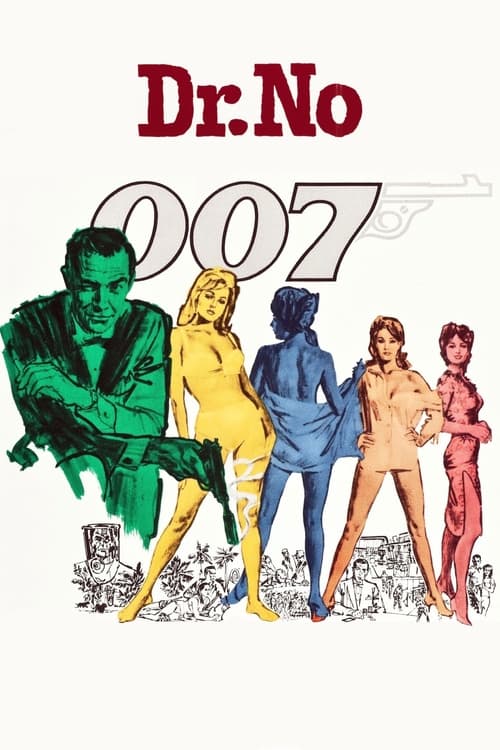
1962

1982
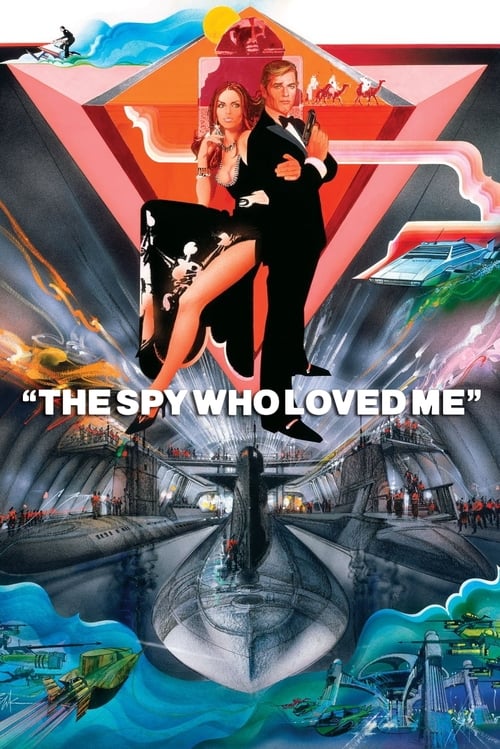
1977

1969
1984
1971
No reviews yet. Be the first to share your thoughts on this movie!
Use the rating form above to leave a star rating and optional review.