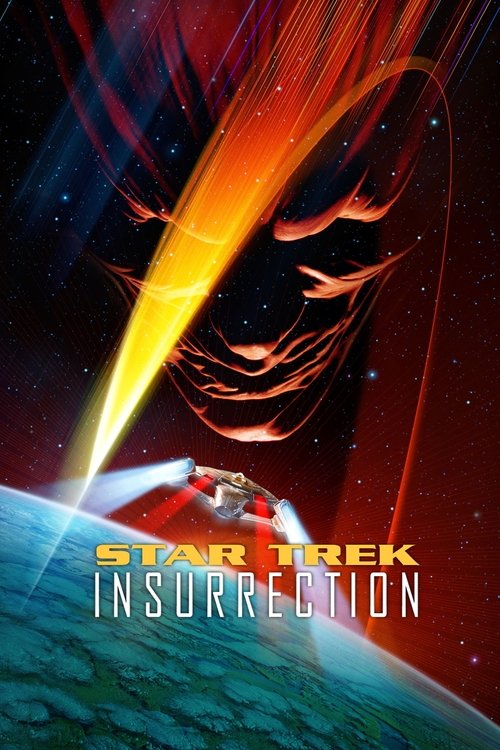
Star Trek: Insurrection
1998
No user ratings available yet
Representation score: 8.9 out of 10

Representation Score
Good
2002
PG-13Director
Stuart Baird
Runtime
116 minutes
Average Rating
No ratings yetNew Showbiz Analysis
Star Trek: Nemesis continues the franchise's tradition of a diverse, multi-species cast, using science fiction to reflect complex social dynamics. The film shines when it uses alien cultures to represent various identities and backgrounds. However, the emphasis on action-adventure overshadows deeper sociological exploration. The narrative leans on traditional command structures and straight-centered romantic arcs, which limits its potential to challenge social norms. Overall, the film provides meaningful representation through its diverse cast but remains tied to conventional storytelling that favors institutional stability over radical critique.
Category Breakdown
The film emphasizes traditional heterosexual relationships, particularly through the romance between Riker and Troi. It doesn't challenge conventional romantic norms or prioritize LGBTQ+ identities.
Deanna Troi plays a crucial role in the narrative, providing psychological insights. However, the story still centers around male leadership roles. The film passes the Bechdel test but doesn’t fully challenge traditional gender roles.
The film uses non-human species to represent diverse backgrounds, with characters like Worf and Data exploring 'otherness' through strong character development and rich cultural backgrounds.
Shinzon’s backstory as a Reman slave introduces a critique of systemic oppression. However, the narrative portrays his rise to power as tyrannical rather than a critique of the Federation’s policies.
Data, as an android, offers a perspective on artificial intelligence, but his unique processing is secondary to the plot. The film avoids typical sci-fi clichés but doesn’t deeply explore neurodivergent experiences.
Present on Screen
Limited or Absent
Official Synopsis
En route to the honeymoon of William Riker to Deanna Troi on her home planet of Betazed, Captain Jean-Luc Picard and the crew of the U.S.S. Enterprise receives word from Starfleet that a coup has resulted in the installation of a new Romulan political leader, Shinzon, who claims to seek peace with the human-backed United Federation of Planets. Once in enemy territory, the captain and his crew make a startling discovery: Shinzon is human, a slave from the Romulan sister planet of Remus, and has a secret, shocking relationship to Picard himself.
1998
1989
1994
1984
1996
1991
1982
2008
No reviews yet. Be the first to share your thoughts on this movie!
Use the rating form above to leave a star rating and optional review.