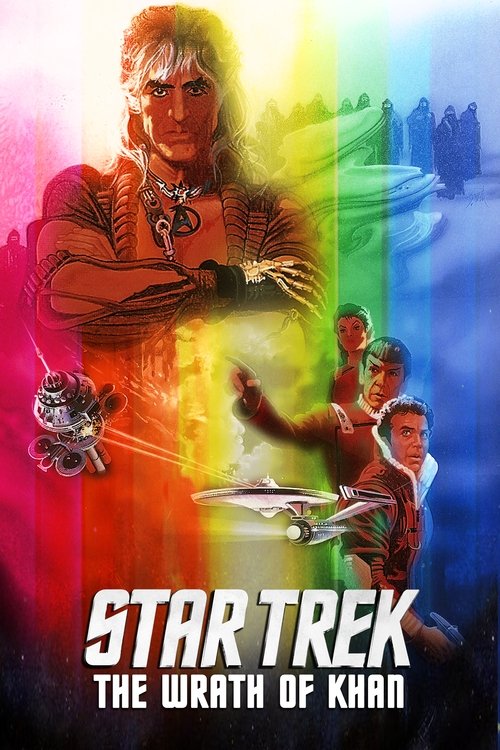
Star Trek II: The Wrath of Khan
1982
No user ratings available yet
Representation score: 3.6 out of 10
Representation Score
Good
1991
PGDirector
Nicholas Meyer
Runtime
110 minutes
Average Rating
No ratings yetNew Showbiz Analysis
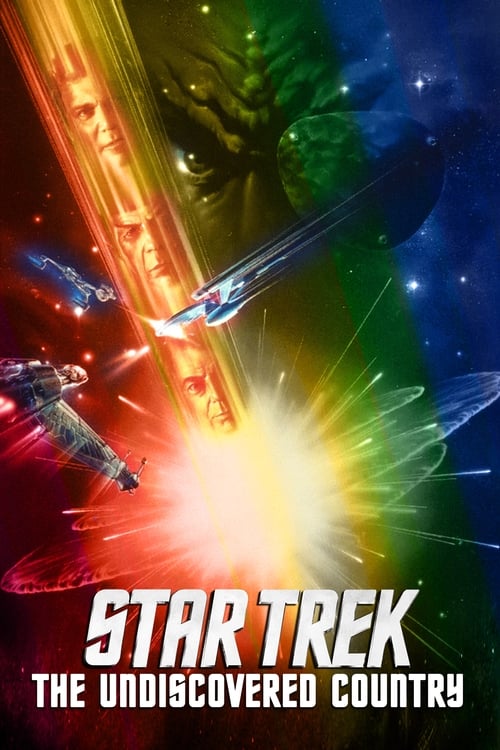
Star Trek VI: The Undiscovered Country is a politically dense thriller that excels in its intellectual and cultural depth. It uses science fiction metaphors to critique institutional inertia and the mechanics of power, providing a nuanced look at diplomacy and systemic change. However, the film remains tied to traditional demographic structures. The leadership is heavily male-dominated, and the narrative lacks representation for LGBTQ+ identities or characters with disabilities. While the alien species provide a proxy for racial and ethnic diversity, the human-centric social framework remains quite conventional.
Category Breakdown
The film follows a traditional framework that assumes everyone is straight and cisgender. There are no depictions of same-sex relationships or non-binary gender identities among the characters.
The leadership is primarily male-focused, reflecting traditional military hierarchies. Female characters like Dr. Christine McCoy have professional roles, but the main plot drivers are male protagonists.
The film uses diverse alien species to represent various cultural and geopolitical identities. This approach effectively explores themes of 'otherness' and the integration of different cultures.
The narrative provides a sophisticated critique of power structures and the military-industrial complex. It emphasizes diplomatic secularism and delves into the moral complexities of peace versus ongoing conflict.
There is no significant focus on visible or invisible disabilities. Physical and psychological stressors are present, but they are not explored through the lens of neurodivergence or chronic illness.
Present on Screen
Limited or Absent
Official Synopsis
After years of war, the Federation and the Klingon empire find themselves on the brink of a peace summit when a Klingon ship is nearly destroyed by an apparent attack from the Enterprise. Both worlds brace for what may be their deadliest encounter.
1982
1984
1994
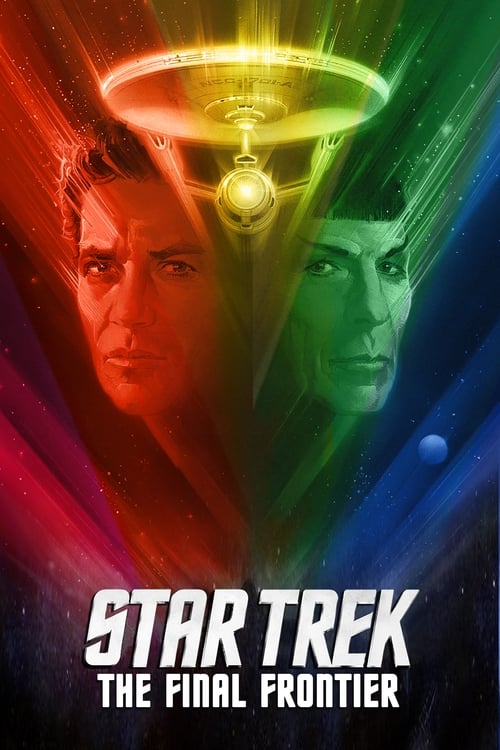
1989
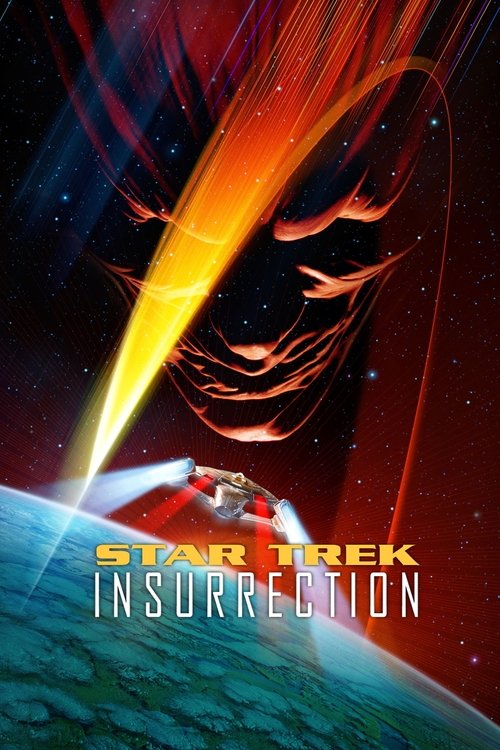
1998
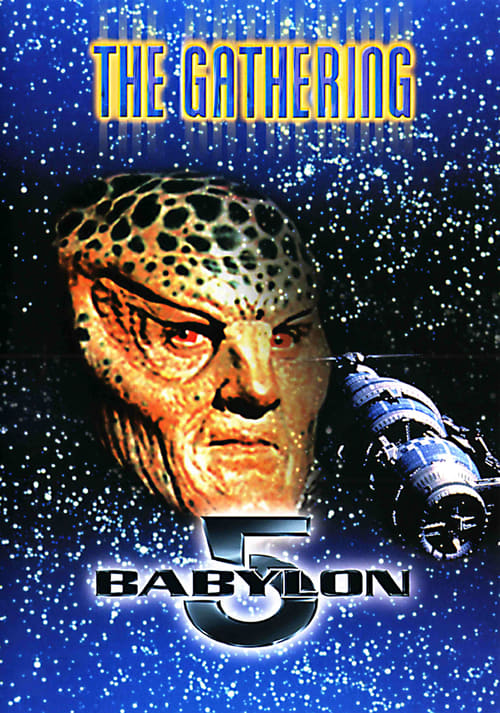
1993
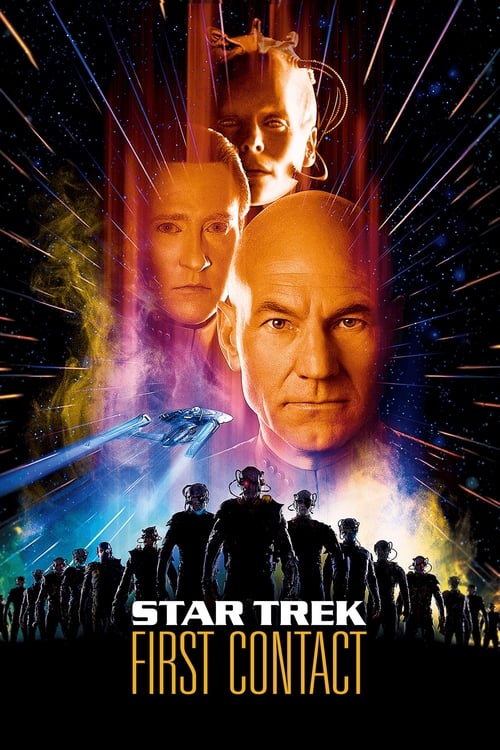
1996
1982
No reviews yet. Be the first to share your thoughts on this movie!
Use the rating form above to leave a star rating and optional review.