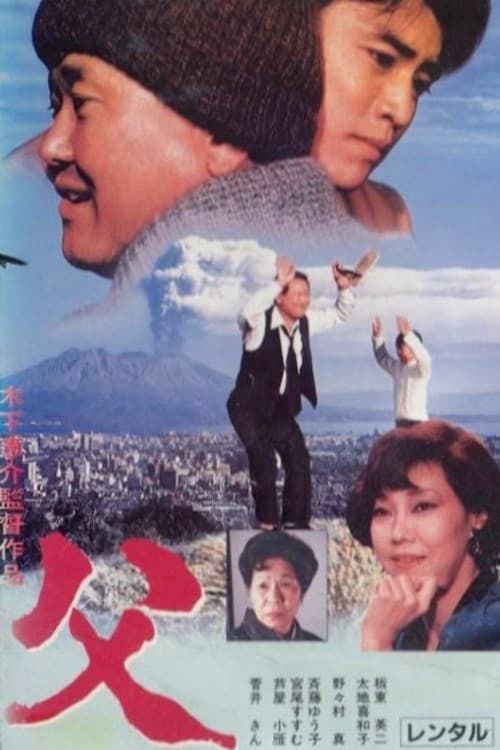
Father
1988
No user ratings available yet
Representation score: 6.7 out of 10
Representation Score
Fair
1998
Director
Shinji Sōmai
Runtime
100 minutes
Average Rating
No ratings yetNew Showbiz Analysis
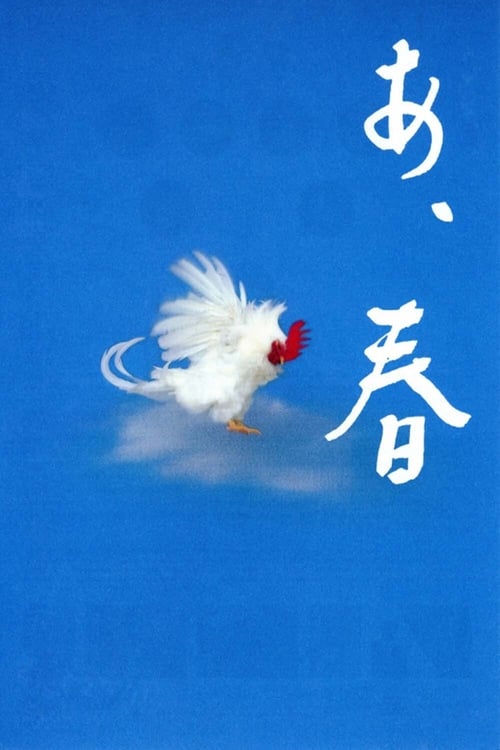
Shinji Sōmai’s *Wait and See* is a detailed exploration of adolescent transition and the loss of childhood certainties. It excels in capturing the fluid, uncoordinated nature of social hierarchies and the biological changes of youth in rural Japan. However, the film adheres to a conventional framework that does not intentionally disrupt traditional identity-based hierarchies. While it avoids rigid moralism, it does not engage with diverse social structures or multi-layered identities. Ultimately, the film is a nuanced observational drama that prioritizes naturalistic character development over progressive representation or explicit social critique.
Category Breakdown
The film does not prominently feature LGBTQ+ narratives or characters with non-traditional gender identities. It focuses on heterosexual relationships and typical developmental stages without any queer themes.
Gender roles and interactions are shown as flexible and constantly shifting. The film highlights the awkward and changing power dynamics between boys and girls.
The cast is mainly composed of Japanese actors, reflecting the rural setting. The film does not seek to include a mix of ethnicities or explore multiple layers of diversity.
The narrative delves into the complexities of human development and teenage rebellion. It emphasizes personal experiences rather than reinforcing traditional cultural or moral structures.
The film does not depict characters with visible or invisible disabilities. All characters are shown within the context of typical physical and cognitive development.
Present on Screen
Limited or Absent
Official Synopsis
A salaryman faces a major life change as his firm undergoes financial difficulties. To add to his troubles, a man claiming to be his long-estranged father shows up at his house requesting shelter. One of the best of Somai's seriocomic studies of the messiness of family life.
1988
1961
1999
2008
1993

2016

1997
2022
No reviews yet. Be the first to share your thoughts on this movie!
Use the rating form above to leave a star rating and optional review.