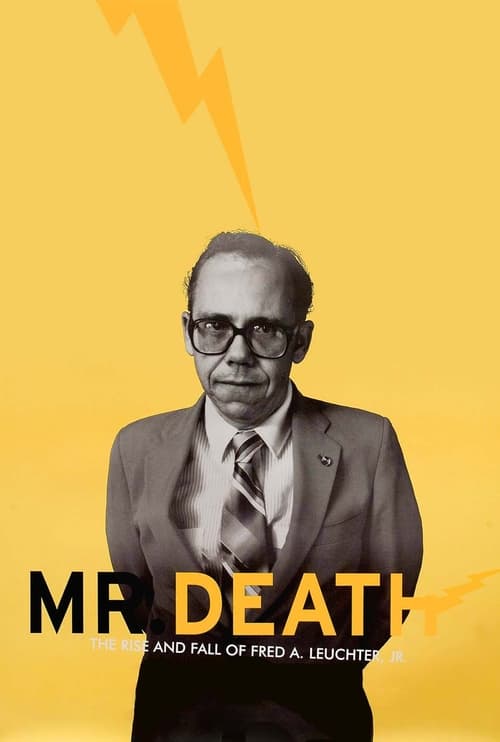
Mr. Death: The Rise and Fall of Fred A. Leuchter, Jr.
1999
No user ratings available yet
Diversity score: 3.1 out of 10
2003
Director
Morten Henriksen, Peter Øvig Knudsen
Runtime
120 minutes
Average Rating
No ratings yetSynopsis
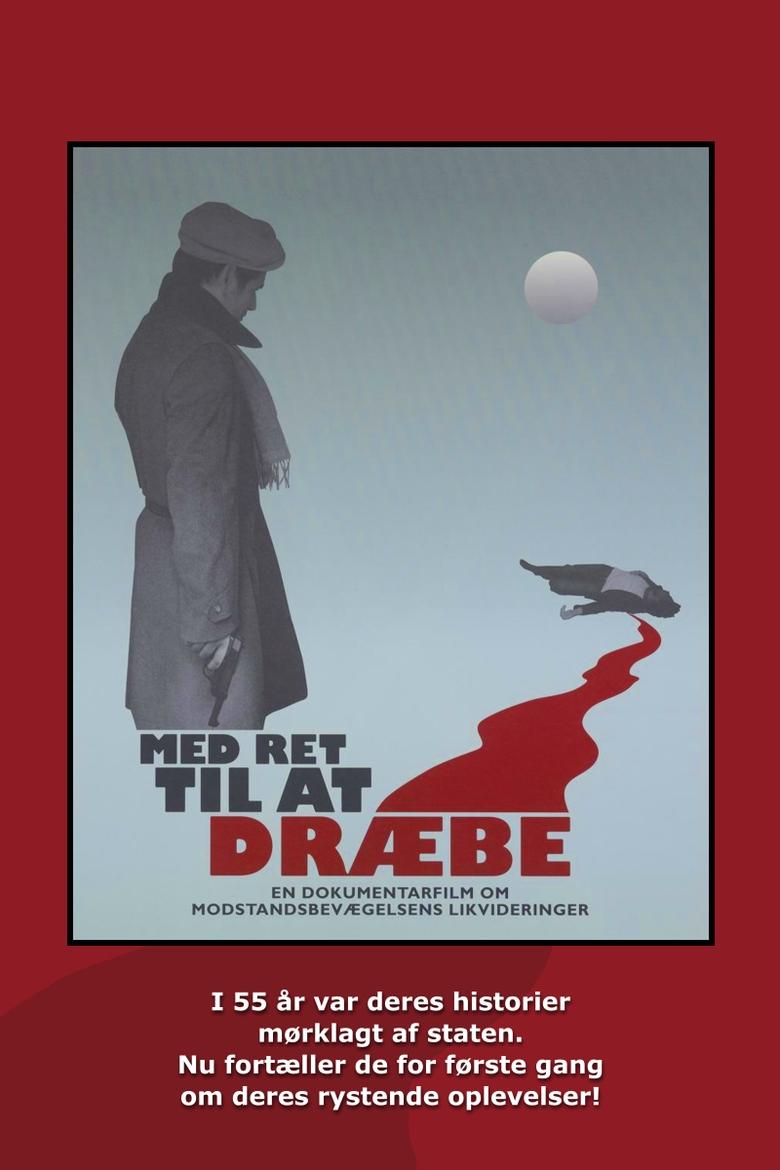
This documentary looks at the Danish resistance movement's execution of 400 informers during the Nazi occupation and the ensuing cover-up.
Overall Score
Limited
Category Breakdown
LGBTQ+ Representation
The documentary focuses on the Danish resistance and wartime executions. There are no LGBTQ+ character arcs or narratives addressing heteronormativity.
Gender Representation
The narrative centers on masculine archetypes of combat and political agency. It lacks evidence of female resistance fighters being granted central agency.
Racial & Ethnic Diversity
The film examines a specific European geopolitical event involving a homogeneous white population. The demographic scope is limited by the historical setting.
Religious & Cultural Diversity
The film disrupts patriotic myths by examining the moral gray zones of wartime. It challenges idealized national narratives through a study of systemic violence.
Disability Representation
There is no evidence that neurodivergence or physical disabilities are addressed as central narrative elements or character arcs.
Strengths
Areas for Improvement
AI Analysis
With a Right to Kill is a historical documentary that prioritizes investigative inquiry over demographic breadth. Its low aggregate score is a reflection of its specific subject matter—the Danish resistance during the Nazi occupation—which is inherently limited by the historical context of a homogeneous population. While the film lacks intersectional representation, it excels in cultural critique. It moves beyond simple heroism to explore the complex ethics of extrajudicial killings and the subsequent cover-ups, providing a sophisticated deconstruction of national myths. Ultimately, the film's diversity is constrained by its focus on a specific wartime era, though it offers significant depth in its moral and cultural analysis.
1999
2015

2003
2016
2002
1993

2018
1946
2016
2017
2003
2014
No reviews yet. Be the first to share your thoughts on this movie!
Use the rating form above to leave a star rating and optional review.