Hidden River
1948
No user ratings available yet
Representation score: 3.1 out of 10
Representation Score
Limited
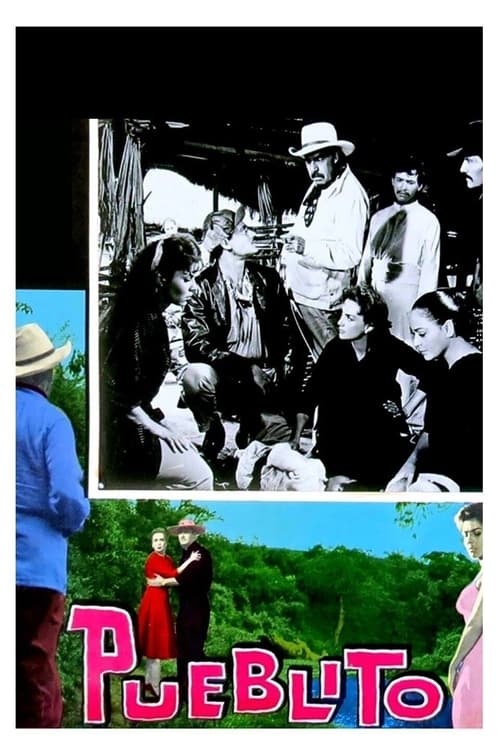
1962
Director
Emilio Fernández
Runtime
83 minutes
Average Rating
No ratings yetNew Showbiz Analysis
Little Town is a period-specific drama that reflects the rigid social hierarchies of the early 1960s. The narrative focuses on a localized struggle for power, particularly a reactionary leader trying to stop educational progress. This central conflict reinforces established social and patriarchal norms rather than challenging them. While the film offers a platform for Mexican national identity through its cast and setting, it lacks multi-layered complexity. The representation of indigenous identities feels tied to traditionalist aesthetics rather than systemic subversion. Ultimately, the film serves as a reflection of mid-century social dynamics, prioritizing traditionalist values and established power structures over modern progressive themes.
Category Breakdown
The film does not include any characters with non-binary or LGBTQ+ identities. It follows the traditional assumption that everyone is straight and cisgender, which was common in 1962 melodramas.
The story revolves around a male authority figure who embodies traditional mid-century masculinity. There are no clear female protagonists, reinforcing the idea of male leadership.
The film likely features a Mexican cast, highlighting indigenous or mestizo identities. However, these characters are portrayed through a romanticized lens rather than showing modern ability to act.
The plot centers on preserving traditional social orders. The conflict between local power and institutional progress highlights a defense of localized, reactionary values.
There is no documented evidence of characters with physical or neurodivergent disabilities in the film.
Present on Screen
Limited or Absent
Official Synopsis
Reactionary local "Big Daddy" tries to prevent a school being built in his district.
1948

1960
1960
1984
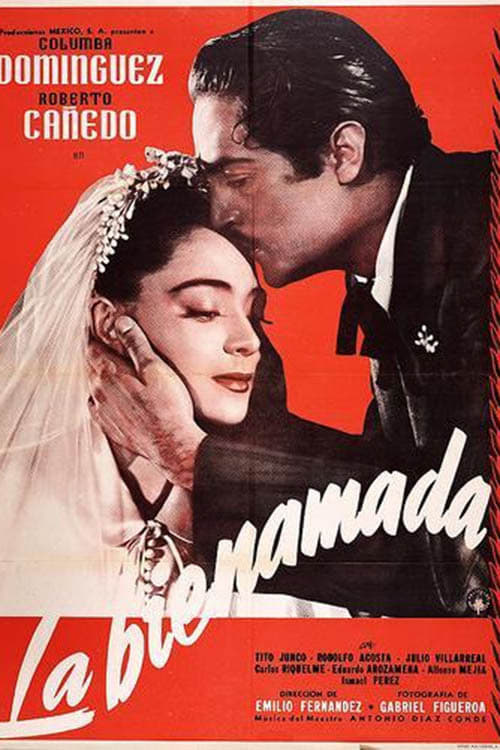
1951
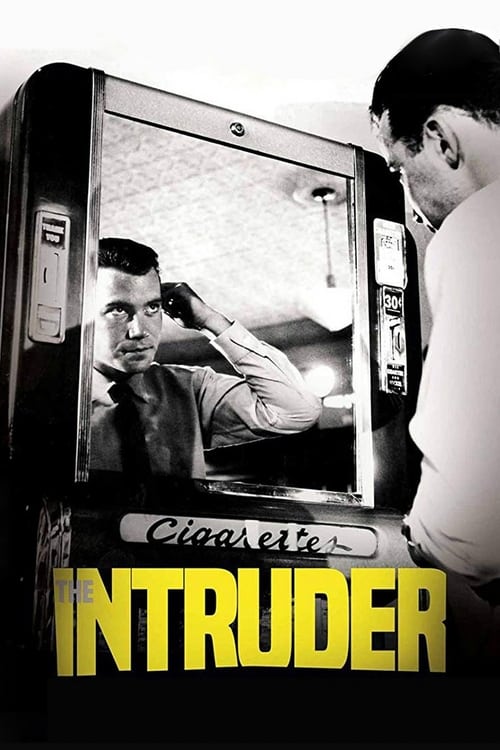
1962
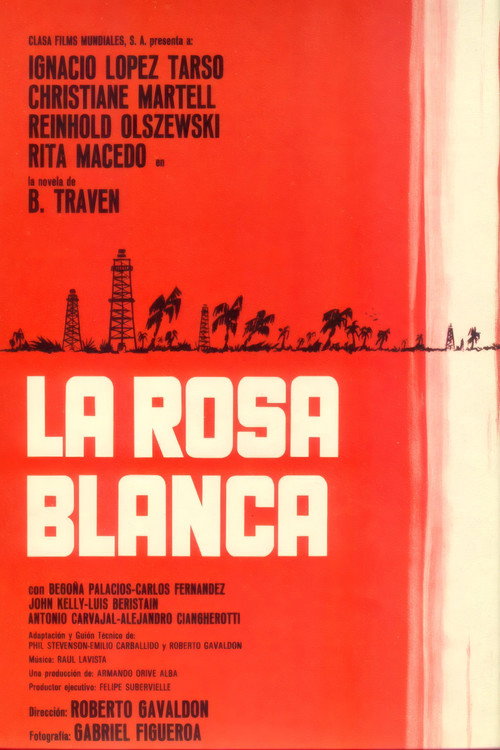
1961

1949
No reviews yet. Be the first to share your thoughts on this movie!
Use the rating form above to leave a star rating and optional review.