
Spike Lee's Lil' Joints: The Greatest Catch Ever
2015
No user ratings available yet
Representation score: 2.5 out of 10
Representation Score
Fair
2002
Director
Spike Lee
Runtime
140 minutes
Average Rating
No ratings yetNew Showbiz Analysis
Spike Lee’s direction ensures a nuanced look at how individual identity interacts with systemic power. The film succeeds by placing the Black experience at the heart of the historical narrative rather than as a secondary element. While the documentary excels in its racial and cultural depth, it remains limited in its scope regarding other identities. The focus on hyper-masculine arenas and the lack of LGBTQ+ or disability-related narratives restrict its broader representational range. Ultimately, the film serves as a crucial disruption of traditional, homogeneous depictions of American greatness, centering Black excellence and resistance against social norms.
Category Breakdown
The documentary does not focus on LGBTQ+ identities or non-straight relationships. Instead, it centers on Jim Brown's achievements in sports and his involvement in civil rights.
The film highlights Brown’s persona through traditional masculinity in sports and film. It emphasizes the role of a singular male icon rather than challenging gender roles.
This film is a powerful exploration of Black excellence and ability to act. It challenges Anglo-centric histories by focusing on a Black icon and showcasing archival footage of Black activists and athletes.
The narrative delves into critiques of Western institutions and systemic racism. It emphasizes the sociopolitical realities of the Black American experience and examines power dynamics through identity.
There is no significant focus on visible or invisible disabilities within the biographical scope of this documentary.
Present on Screen
Limited or Absent
Official Synopsis
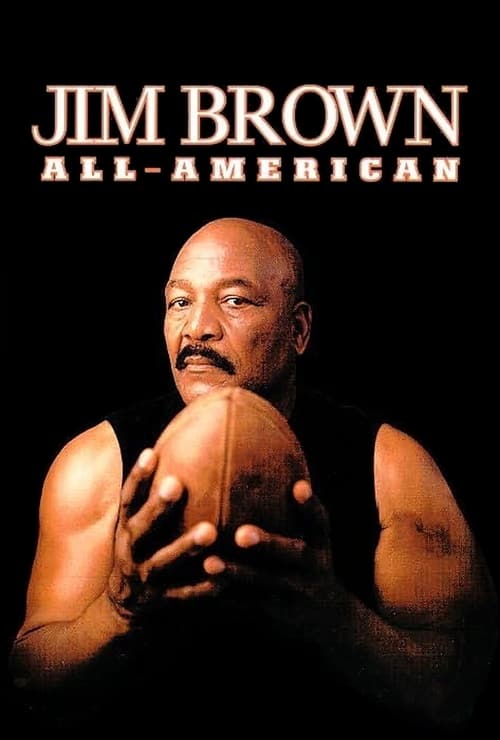
The film takes a look at the life of NFL hall-of-famer Jim Brown. The film delves into his life—past, present and future—focusing on his athletic career, acting and activism. Many people from Hollywood and sports backgrounds were interviewed for the film. Members of Brown's family were also interviewed for the film.
2015
2016

2019

2020
2012

2021
2012
2023
No reviews yet. Be the first to share your thoughts on this movie!
Use the rating form above to leave a star rating and optional review.