
Winter Light
1963
No user ratings available yet
Representation score: 3.6 out of 10
Representation Score
Fair
1949
Director
Ingmar Bergman
Runtime
75 minutes
Average Rating
No ratings yetNew Showbiz Analysis
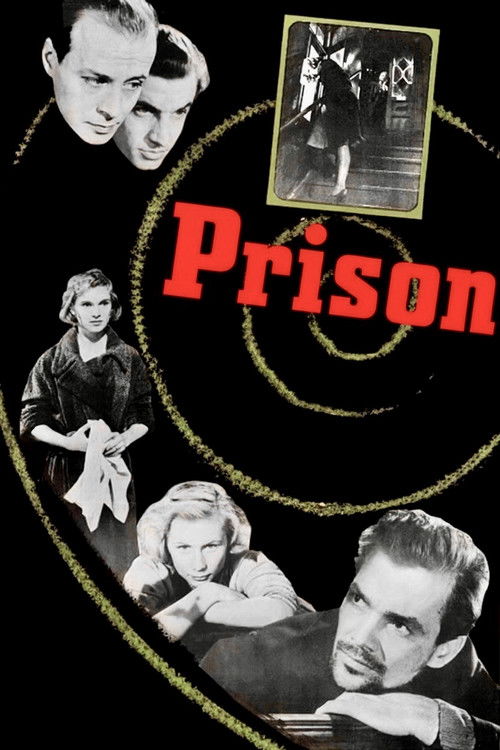
Prison is a psychological study that prioritizes existential inquiry over demographic breadth. It functions as a deep dive into the internal fragmentation of its subjects within a claustrophobic setting. The film's strength lies in its philosophical complexity, particularly its critique of institutional stability and moral absolutes. However, the work lacks characters who reflect more than one aspect of diversity, offering very little visibility for women or diverse ethnic groups.
Category Breakdown
The film does not explicitly depict LGBTQ+ identities or same-sex relationships. Intense male dynamics may suggest underlying themes of repressed desire, but these are not explored in depth.
The narrative centers around a traditional male hierarchy, focusing almost entirely on male interpersonal dynamics. Female characters play minor roles and do not drive the story significantly.
The cast appears largely homogeneous, reflecting the demographic norms of post-war European cinema. There are no intentional efforts to include diverse ethnic backgrounds.
Bergman challenges the stability of Western judicial systems by prioritizing existentialist inquiry over traditional moral frameworks. He questions the certainty of moral absolutes through a framework of moral relativism.
The film explores invisible disabilities, such as mental health and psychological trauma. Characters experience isolation and cognitive fragmentation, which are treated as existential conditions rather than specific sources of ability to act.
Present on Screen
Limited or Absent
Official Synopsis
A filmmaker sets out to create the greatest film in history, but finds out that human abilities have limits.
1963

1960

1958

1943

1949

1948

1976

1957
No reviews yet. Be the first to share your thoughts on this movie!
Use the rating form above to leave a star rating and optional review.