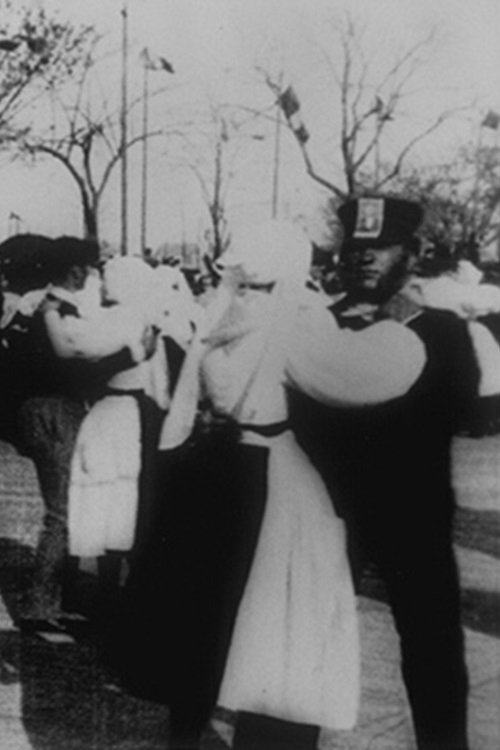
Bal des Sablaises
1897
No user ratings available yet
Representation score: 0.2 out of 10
Representation Score
Minimal
1896
Director
Constant Girel
Runtime
1 minutes
Average Rating
No ratings yetNew Showbiz Analysis
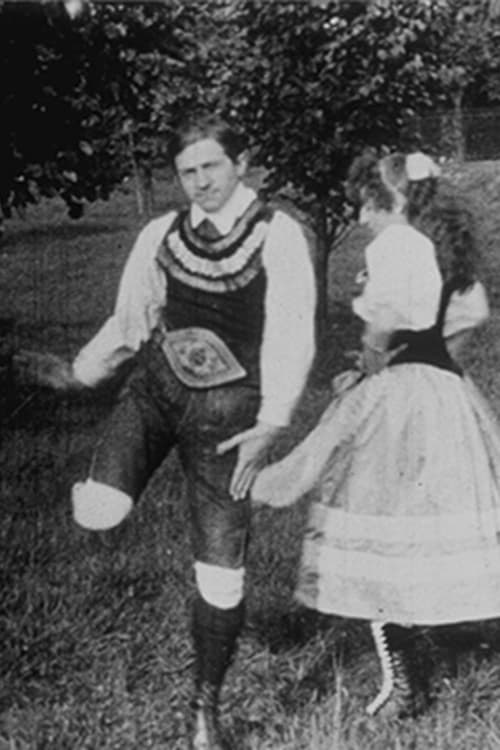
Danse Tyrolienne serves primarily as a historical record of regional folk traditions rather than a narrative aimed at challenging social norms. It captures a specific moment in time, focusing on a Tyrolean couple and a musician, which aligns with the cultural and social norms of 1896. Due to its narrow focus, the film lacks the depth and plurality needed for a higher diversity score, remaining a product of its specific historical and cultural context.
Category Breakdown
The film portrays a traditional dancing couple following the heterosexual pairing common in late 19th-century folk performances. There is no indication of LGBTQ+ identities.
The performance adheres to traditional gender roles typical of the era's folk traditions. The movements and presentation reinforce conventional gender roles and social hierarchies.
The film focuses on a single European ethnic tradition, presenting a homogeneous cultural snapshot. It lacks racial or ethnic diversity.
This work preserves traditional Western folk culture, emphasizing specific regional customs and social structures from the era's norms.
There is no evidence regarding the presence or portrayal of individuals with disabilities.
Present on Screen
Limited or Absent
Official Synopsis
A Tyrolean dancing couple, accompanied by a musician, perform a traditional folk dance in a park in Cologne.
1897
1905

1895
1897
1900
1896
1897
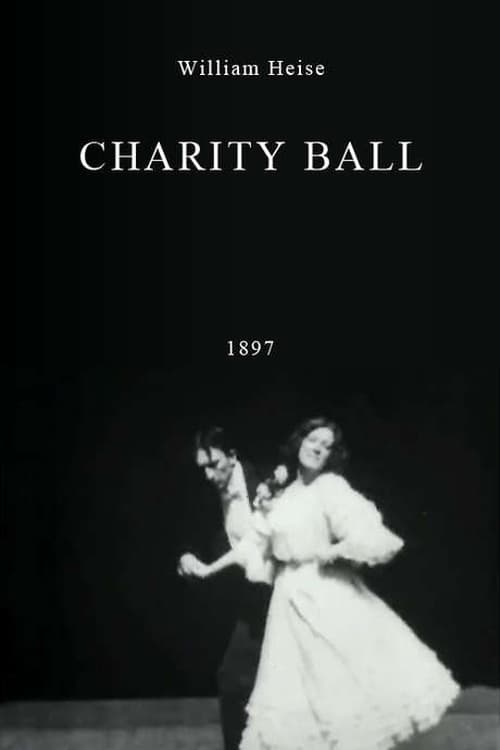
1897
No reviews yet. Be the first to share your thoughts on this movie!
Use the rating form above to leave a star rating and optional review.