Viva Willie
1934
No user ratings available yet
Diversity score: 2.8 out of 10
1929
PassedDirector
Harry Bailey, John Foster
Runtime
7 minutes
Average Rating
No ratings yetSynopsis
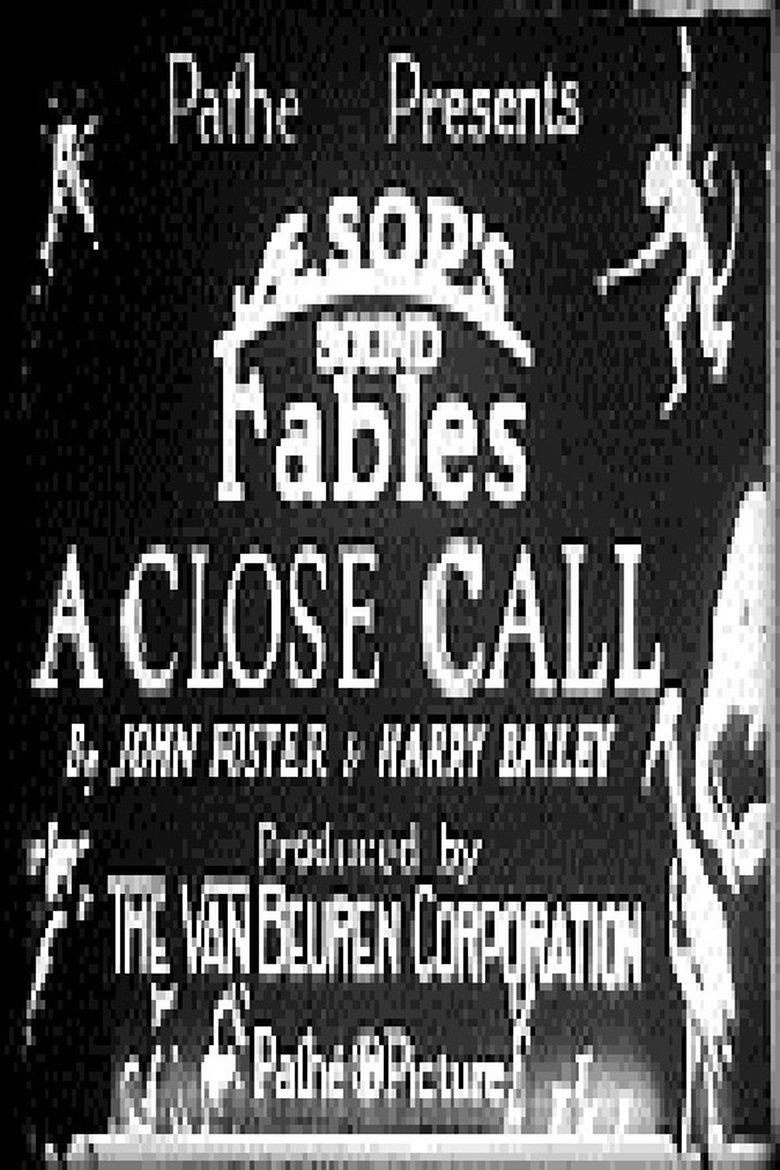
The short starts with a mouse playing some bell-like tulips like musical bells....
Overall Score
Limited
Category Breakdown
LGBTQ+ Representation
The film focuses on anthropomorphic animal interactions. There is no evidence of non-cisnormative gender identities or depictions of same-sex intimacy.
Gender Representation
The narrative centers on a single mouse performing whimsical actions. It lacks the character complexity required to address or subvert traditional gender hierarchies.
Racial & Ethnic Diversity
The story utilizes anthropomorphic animals as its primary subjects. There is no evidence suggesting that race or ethnicity is being addressed through these non-human characters.
Religious & Cultural Diversity
The film functions as traditional early animation entertainment. It lacks critiques of Western institutions or any discernible promotion of secularism or anti-capitalist sentiment.
Disability Representation
There is no information regarding the portrayal of physical or neurodivergent traits. The mouse displays standard physical agency typical of the genre.
Strengths
Areas for Improvement
AI Analysis
A Close Call is a product of the early synchronized sound era, focusing on foundational animation tropes rather than social commentary. The narrative is centered on a singular, whimsical interaction between a mouse and its environment. Because the film lacks a diverse cast or complex character dynamics, it fails to engage with any meaningful frameworks of representation. The focus remains strictly on simple, non-ideological entertainment. Ultimately, the film does not attempt to subvert social hierarchies or address systemic issues, resulting in a lack of intersectional complexity.
1934
1931
1925
1930
1938
1927
1929
1932
1941
1954
1943
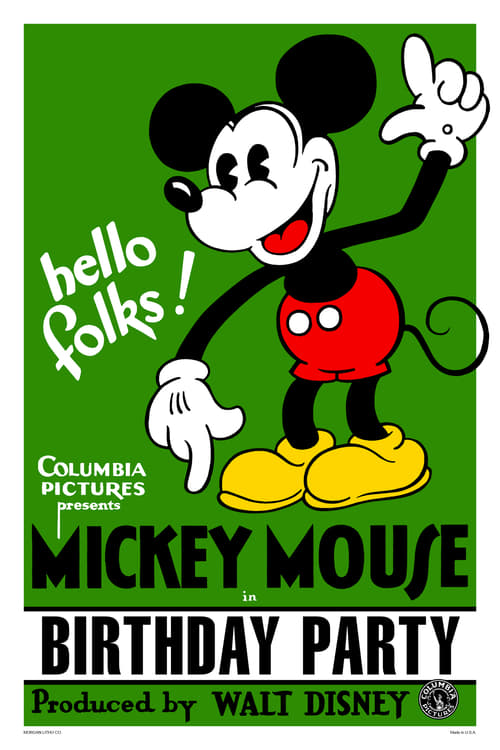
1931
No reviews yet. Be the first to share your thoughts on this movie!
Use the rating form above to leave a star rating and optional review.