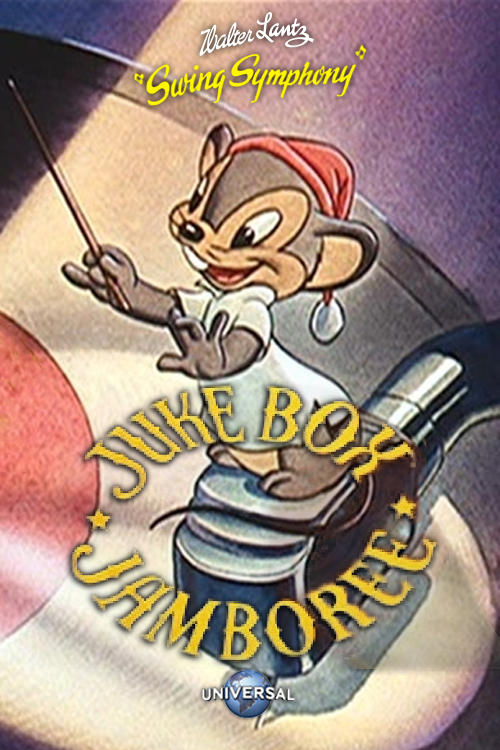
Juke Box Jamboree
1942
No user ratings available yet
Representation score: 0.6 out of 10
No Poster Available
Representation Score
Limited
1941
ApprovedDirector
Allen Rose
Runtime
7 minutes
Average Rating
No ratings yetNew Showbiz Analysis
The film follows the conventional social and romantic themes of the early 1940s. While it briefly highlights Miss Hedy's ability to act through her performance, the overall narrative lacks depth in representing diverse identities. The characters live in a homogeneous environment that avoids diverse archetypes. The central conflict between the mice's autonomy and the disruptive janitor emphasizes the theme of conforming to external authority. Ultimately, the work adheres to traditional storytelling patterns of its time.
Category Breakdown
The story focuses on a typical romantic relationship between Elmer and Miss Hedy La Mouse. There are no characters with LGBTQ+ identities or non-cisgender romantic arcs in the narrative.
Miss Hedy La Mouse showcases her talent and ability to captivate audiences. However, the plot revolves around a male protagonist's pursuit of romance.
The cast features anthropomorphic mice within a uniform social setting. There is no indication of racial or ethnic diversity among the characters.
A communal Conga dance highlights shared joy and unity. However, the mice must eventually hide from authority, reinforcing traditional social norms and conformity.
The film does not include any characters with physical, sensory, or neurodivergent disabilities.
Present on Screen
Limited or Absent
Official Synopsis
After the "Squawk Club" closes for the night, the mice come out and put on a show of their own. The Mouse of Ceremonies introduces the vastly-talented Miss Hedy La Mouse, and Hedy stops the show. Elmer, a rube-mouse from out of town, wanders in and falls for Hedy but the jealous M.C. attempts to restrain Elmer. The latter, evidently not all that far from out of town, assists Hedy in a couple of dances, including a Conga in which all the mice join in. But the night janitor, a real party-pooper, shows up, and all the mice scurry for cover.
1942
1945
1952
1941
1938

1929

1936
1937
No reviews yet. Be the first to share your thoughts on this movie!
Use the rating form above to leave a star rating and optional review.