
Their First Mistake
1932
No user ratings available yet
Representation score: 1.1 out of 10
Representation Score
Limited
1927
NRDirector
Harry Langdon
Runtime
60 minutes
Average Rating
No ratings yetNew Showbiz Analysis
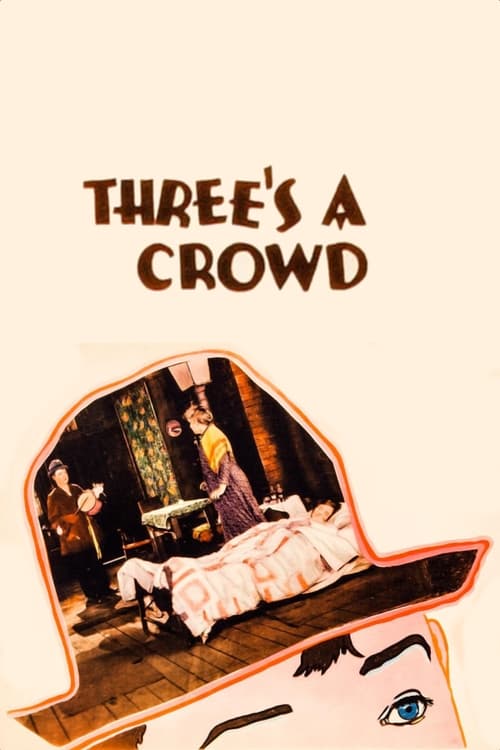
Three's a Crowd is a product of the silent comedy era, focusing on the 'everyman' navigating systemic hardships. While it offers a sentimentalized look at working-class struggles, the narrative remains deeply conventional. The film relies on traditional social hierarchies and gender roles. The protagonist's identity is defined by his role as a provider, while the female characters are framed by their domestic vulnerabilities. Ultimately, the film lacks depth in representing diverse identities. It uses physical impairment for humor and adheres to a narrow, homogeneous view of social and familial life.
Category Breakdown
The film operates within traditional romantic and familial structures. There is no evidence of LGBTQ+ characters or narratives addressing non-assuming gender matches what was assigned at birth identities.
The film follows traditional gender roles typical of its time, with the male lead portrayed as a provider and the female lead as vulnerable and domestic.
The setting is homogeneous, with no indication of a diverse cast or non-Anglo-Saxon characters.
The story emphasizes the sanctity of the nuclear family and the moral importance of self-sacrifice within conventional social structures.
Physical impairment is used for comedic effect, often reducing characters to objects of ridicule rather than individuals with dignity.
Present on Screen
Limited or Absent
Official Synopsis
Harry, The Odd Fellow, is a tenement worker who lives alone in a shack alongside a warehouse and longs for the companionship of a wife and children like other men. One day he spies a pretty girl in his telescope and sends her by carrier pigeon a note that, alas, is received by the wrong party. The Girl marries and, poverty-striken, leaves her husband during a snowstorm. Harry takes her in, and minutes later her child is born. He works like a slave for the mother and child, pretending they are his own. Meanwhile, the husband finds her and comes to the shack on Christmas Eve as Harry is preparing to play Santa Claus. Not realizing the unhappiness she is causing him, The Girl thanks him profusely and leaves with her husband. Overcome, Harry sits overnight on the doorstep and the next morning is found frozen stiff except for his eyes--with amusing results.
1932
1932
1953
1985
1917
1927
1910

1921
No reviews yet. Be the first to share your thoughts on this movie!
Use the rating form above to leave a star rating and optional review.