
Blaze Starr Goes Nudist
1962
No user ratings available yet
Diversity score: 2.6 out of 10
1966
NRDirector
Doris Wishman
Runtime
70 minutes
Average Rating
No ratings yetSynopsis
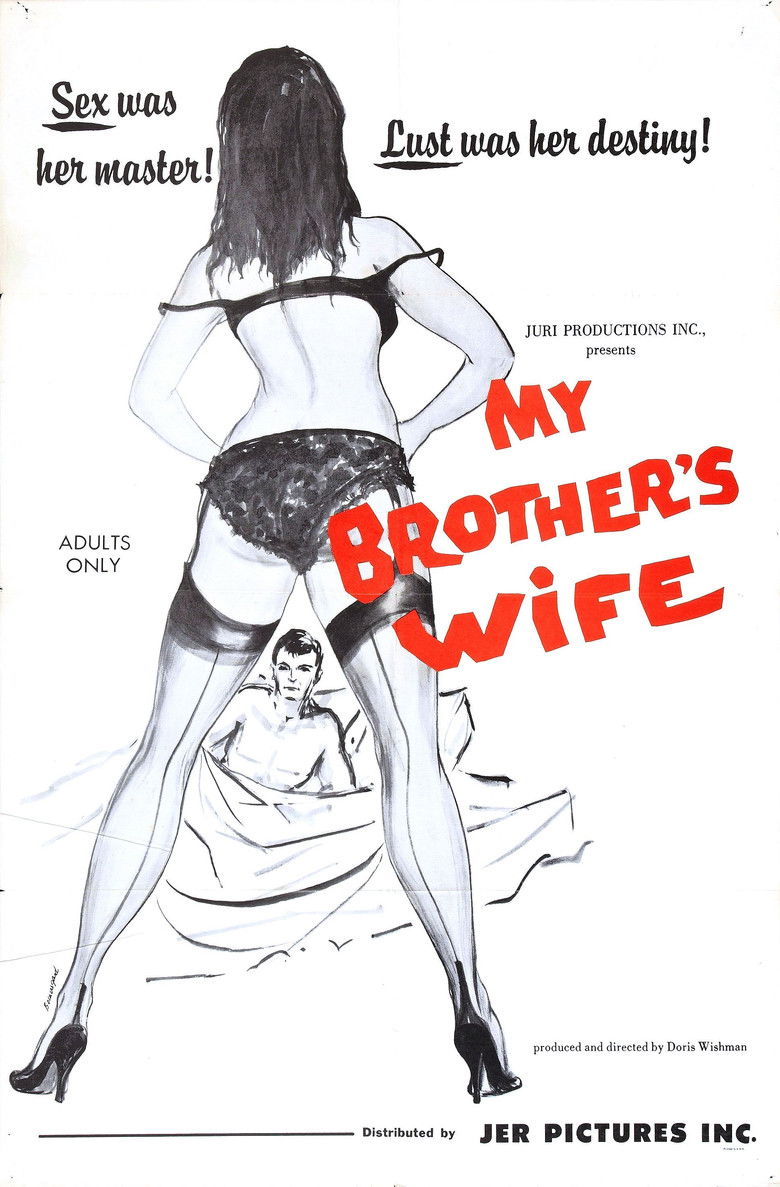
A man's wife starts having an affair with her brother-in-law, who is temporarily staying at their apartment.
Overall Score
Limited
Category Breakdown
LGBTQ+ Representation
The film centers on heteronormative infidelity and domestic melodrama. There is no evidence of queer-coded subtext or non-cisnormative identities within the narrative.
Gender Representation
The story achieves moderate depth by centering female desire and emotional agency. It shifts focus away from male-driven mechanics by exploring the complexities of female subjectivity.
Racial & Ethnic Diversity
The production reflects the demographic homogeneity of mid-1960s independent cinema. There is no evidence of intersectional casting or the disruption of Anglo-Saxon norms.
Religious & Cultural Diversity
The drama functions as a localized study of the nuclear family. It avoids systemic critiques, focusing instead on individual morality and interpersonal obsession.
Disability Representation
There is no discernible representation of physical or neurodivergent disabilities within the film's context.
Strengths
Areas for Improvement
AI Analysis
Doris Wishman’s melodrama provides a rare focus on female-centric emotional landscapes for its era. By prioritizing female subjectivity and domestic desire, the film offers a slight departure from standard patriarchal archetypes. However, the work remains deeply rooted in the social limitations of 1966. It lacks racial diversity and intersectional complexity, presenting a largely homogeneous domestic environment. Ultimately, the film is a period-specific character study. While it grants women emotional agency, it fails to engage with broader social hierarchies or systemic critiques.
1962

2017
1966

1972

1979

1987

1957

1977

1994
1970
1962
1961
No reviews yet. Be the first to share your thoughts on this movie!
Use the rating form above to leave a star rating and optional review.