
Ava
2017
No user ratings available yet
Representation score: 6.3 out of 10
Representation Score
Fair
2022
Director
Vasilisa Kuzmina
Runtime
93 minutes
Average Rating
No ratings yetNew Showbiz Analysis
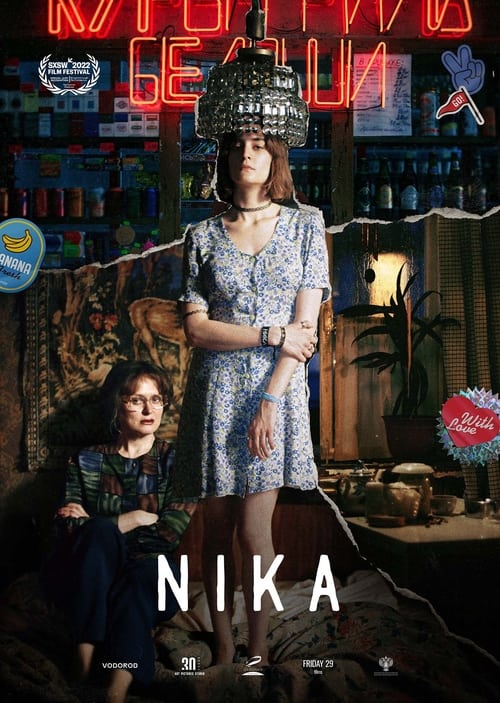
Nika is a character-driven drama that finds its strength in subverting traditional domestic hierarchies. By framing the protagonist's struggle against an oppressive mother, the film explores psychological liberation through art. The film excels at providing cultural specificity, grounding the narrative in the unique social shifts of the 1990s. It avoids generic formulas by focusing on the individual's fight to remain relevant in a changing political landscape. However, the film remains within conventional romantic structures. The lack of explicit LGBTQ+ representation and the focus on a traditional romantic interest limit its exploration of diverse identity landscapes.
Category Breakdown
The story focuses on a traditional romantic relationship between Nika and Ivan, with no explicit depiction of LGBTQ+ identities or non-traditional gender narratives.
The film centers on a female protagonist who uses her art to achieve liberation. It challenges traditional maternal roles by portraying the mother as an oppressive figure instead of a nurturing one.
The setting reflects the specific ethnic and cultural demographics of the Soviet and post-Soviet era, offering localized ethnic depth rather than a globalized or color-blind approach.
The story critiques traditional institutions and the stability of family units by exploring the struggle of an individual fighting against systemic erasure and the weight of historical memory.
There is no mention of physical or neurodivergent disabilities in the provided information.
Present on Screen
Limited or Absent
Official Synopsis
The movie is based on the real story of Nika Turbina, once world-famous Soviet child poetess, who got completely forgotten in the 1990s. That's when we meet her: at the age of 27 Nika is full of hopes and doubts regarding her gift. Due to the age restriction, she's got just one shot to enter the Drama School, and that's her only chance to separate from her cherishing and oppressive mother. Acquaintance with a new friend Ivan gives Nika hope for a happy future, but there is still something in her memory that triggers her. Tragically cheerful, painfully confused and desperately believing in love and life after childhood, Nika puts everything on the line to overcome ghosts of the past.
2017
2015
2011

2010

2014
2018

2021

2016
No reviews yet. Be the first to share your thoughts on this movie!
Use the rating form above to leave a star rating and optional review.