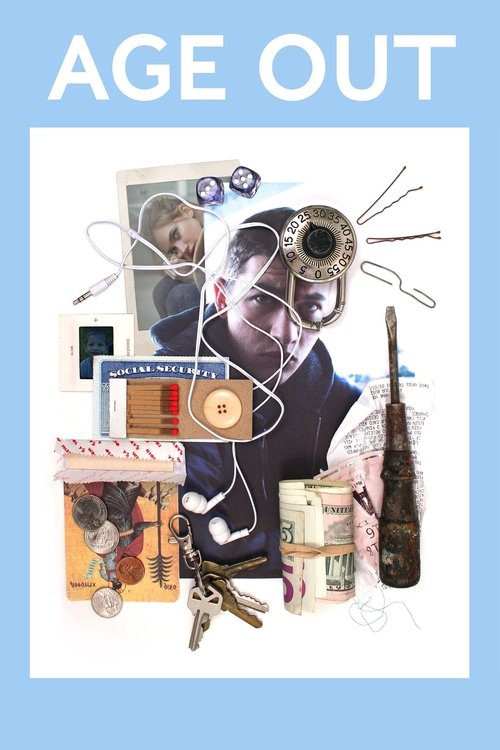
Age Out
2018
No user ratings available yet
Representation score: 4.6 out of 10

Representation Score
Fair
2021
Director
Anastasiya Palchikova
Runtime
84 minutes
Average Rating
No ratings yetNew Showbiz Analysis
Masha is a character-driven drama centered around a female protagonist's struggle for independence within a volatile, non-traditional social structure. The film's strength lies in its potential to disrupt traditional gender roles and its exploration of moral relativism. The narrative focuses on the socio-economic and gendered dynamics of a 1990s post-Soviet setting. While it lacks explicit demographic diversity, it provides a deep look at how individual identity conflicts with destructive communal ties. Ultimately, the film's progressive edge comes from its refusal to rely on singular moralities, focusing instead on the protagonist's attempt to break from a systemic, patriarchal past.
Category Breakdown
The film does not explicitly depict same-sex relationships or non-binary gender identities. Instead, it focuses on a young girl navigating a hyper-masculine environment of boxing rings and criminal activities.
Masha's journey challenges traditional stereotypes of passive femininity. The film explores her transformation from a protected ward to an independent woman taking control of her life.
Set in a post-Soviet urban environment during the 1990s, the narrative emphasizes class-based identity and subcultural dynamics rather than diverse ethnic representation.
The film offers a nuanced look at traditional social structures and communal loyalty. It frames a criminal lifestyle as a complex, though destructive, social ecosystem.
There is no depiction of characters with visible or invisible disabilities within the narrative.
Present on Screen
Limited or Absent
Official Synopsis
A 13-year-old girl grows up between a boxing ring and the street. Her friends are guys who kill and rob. In the 1990s the whole city hates them, but for Masha they are the best people in the world, who love and protect her. She sings them jazz and dreams of becoming a singer. But one day Masha learns who they actually are and what they have done to her life and family. She matures, leaves the small city for Moscow, trying to break with her past. But one day the past stands directly before her.
2018
1994

2018

2019

2021
2013

2021
2002
No reviews yet. Be the first to share your thoughts on this movie!
Use the rating form above to leave a star rating and optional review.