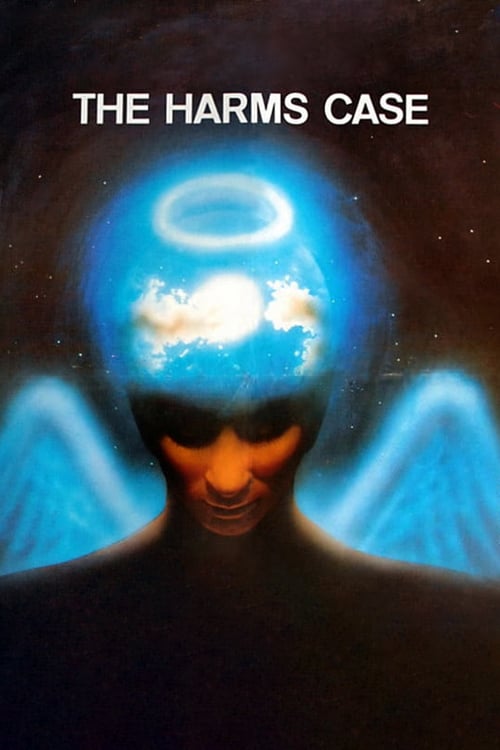
The Harms Case
1987
No user ratings available yet
Representation score: 5.7 out of 10

Representation Score
Fair
2014
Director
Marina Migunova
Runtime
130 minutes
Average Rating
No ratings yetNew Showbiz Analysis
Mirrors is a biographical drama that emphasizes the psychological depth of Marina Tsvetaeva's journey from Russia through exile in Prague and Paris. The film underscores the subjective experience of displacement and the impact of political instability. By centering on Tsvetaeva's intellectual struggle and ability to act, the film offers a fresh perspective on historical dramas. However, its narrow focus on a specific cultural and ethnic environment limits its broader demographic appeal. Overall, the film serves as a character study of a underrepresented intellectual, prioritizing deep cultural exploration over wider diversity.
Category Breakdown
The film explores the life of Marina Tsvetaeva, suggesting the possibility of complex and non-traditional relationships during her time. While her queer identity isn't explicitly detailed, the historical context hints at nuanced personal connections.
The story focuses on a female protagonist's intellect and artistic influence. It challenges traditional male-centric historical narratives by highlighting a woman's struggle against political and social constraints.
The setting reflects the demographic reality of early 20th-century Russian society, providing cultural depth but limiting broader racial diversity within the historical context.
The story delves into themes of displacement and the tension between individuals and state institutions. It highlights the psychological burdens caused by traditional societal expectations and oppressive political systems.
There is no mention of characters dealing with physical or neurodivergent disabilities in the narrative.
Present on Screen
Limited or Absent
Official Synopsis
The film is based on the life of Marina Tsvetaeva, one of the most tragic and greatest poets of the 20th century. The authors follow her in Russia, then in immigration in Prague and Paris, and then her return to Russia where she committed a suicide a few month after her arrival.
1987
1969

2017
1982

2014
1985

1973
1996
No reviews yet. Be the first to share your thoughts on this movie!
Use the rating form above to leave a star rating and optional review.