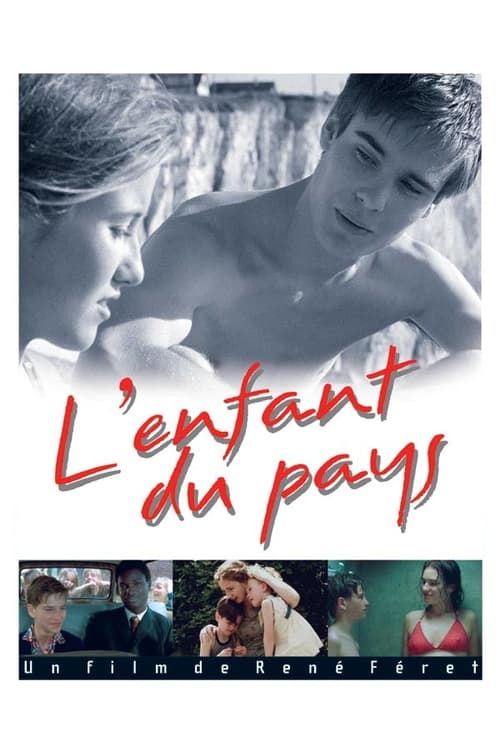
L'Enfant du pays
2003
No user ratings available yet
Representation score: 3.7 out of 10
Representation Score
Good
2015
RDirector
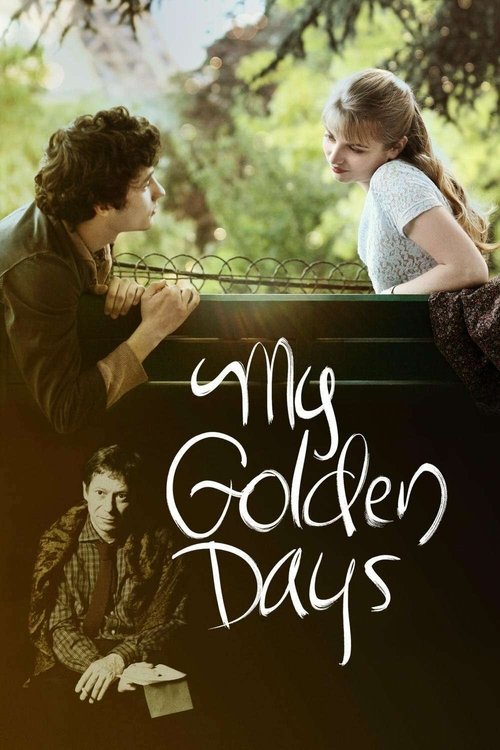
Arnaud Desplechin
Runtime
123 minutes
Average Rating
No ratings yetNew Showbiz Analysis
Arnaud Desplechin’s film is a sophisticated, non-linear exploration of memory that excels in its psychological complexity. It successfully challenges traditional gender hierarchies, giving women a prominent role in the film’s discourse. However, the film is limited by its narrow demographic scope. It remains centered within a white, Eurocentric social context, offering little racial or ethnic diversity beyond a brief trip to Tajikistan. Ultimately, the work prioritizes deep, subjective exploration over broad social representation. It is a character-driven drama that focuses on the fragmentation of identity rather than diverse cultural or identity-based perspectives.
Category Breakdown
The film examines adolescent attraction and identity exploration among friends, avoiding strict stereotypes and focusing on realistic youth experiences rather than making sexuality a central political issue.
Female characters play significant roles in driving the film's emotional storyline. The narrative challenges traditional masculinity by exploring male vulnerability without resorting to clichéd formulas.
The cast is predominantly white and reflects a specific European intellectual environment. Although there is a trip to Tajikistan, the film stays within a Western demographic framework.
The story embraces moral relativism, presenting truth as a subjective construct of memory. It prioritizes personal subjectivity and psychological depth over the stability of traditional social or political structures.
Mental instability is explored through the protagonist's mother, contributing to themes of family trauma. However, these portrayals may serve as mere catalysts for the protagonist's development rather than having independent significance.
Present on Screen
Limited or Absent
Official Synopsis
Paul is preparing to leave Tajikistan, while thinking back on his adolescent years. His childhood, his mother's madness, the parties, the trip to the USSR where he lost his virginity, the friend who betrayed him and the love of his life.
2003
1988
2010
1997

2009

2016

2020

2016
No reviews yet. Be the first to share your thoughts on this movie!
Use the rating form above to leave a star rating and optional review.