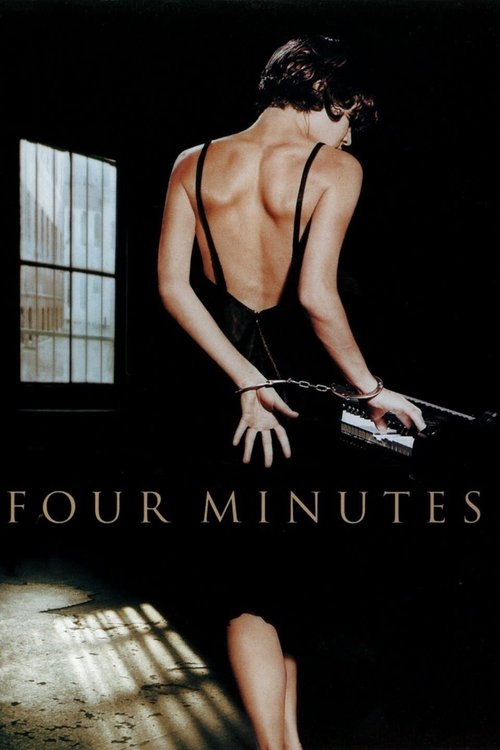
Four Minutes
2006
No user ratings available yet
Representation score: 5.3 out of 10

Representation Score
Good
2010
Not RatedDirector
Lisa Langseth
Runtime
100 minutes
Average Rating
No ratings yetNew Showbiz Analysis
Pure is a focused psychological study that emphasizes personal autonomy over systemic or biological inevitability. It succeeds by centering a terminal diagnosis through a lens of personal choice rather than tragedy. The film's strength lies in its nuanced treatment of disability and gender. It avoids common clichés, presenting a protagonist who drives the narrative through her own internal logic and difficult choices. However, the film lacks demographic breadth. The focus on a localized, homogeneous Swedish setting results in low scores for racial and LGBTQ+ representation.
Category Breakdown
The film does not include any LGBTQ+ characters or themes. It centers on the interpersonal dynamics of a heterosexual marriage under the pressure of mortality.
The protagonist challenges traditional gender roles by taking a leading, active role in the story. She is not a passive character but a woman who reclaims her identity through radical self-determination.
The cast is relatively homogeneous, reflecting a specific Swedish socioeconomic environment. The film does not engage with diverse racial or ethnic backgrounds.
The story deconstructs the ideal family structure and prioritizes secular, individualistic truths. It challenges traditional moralities regarding suffering and end-of-life decisions.
The film excels in portraying invisible disabilities and chronic illnesses. It presents the protagonist as a complex agent rather than an object of pity.
Present on Screen
Limited or Absent
Official Synopsis
Katarina is 20 years old. With a troubled past in a dreary suburb, her life seems to be already set in stone - until she discovers music. Everything changes when she hears a performance of Mozart’s 'Requiem' at the Gothenburg Concert Hall that sends her reeling and opens up a beautiful new world. She feels that she has to change her life and get as far away from her ugly reality as possible. But the path she has to follow proves to be a treacherous one, filled with lies, betrayal and a dangerous liaison with the married conductor Adam. Yet Katarina is ready to do anything to gain her new identity.
2006
2013
2005

2017
2013
2004

2006
2015
No reviews yet. Be the first to share your thoughts on this movie!
Use the rating form above to leave a star rating and optional review.