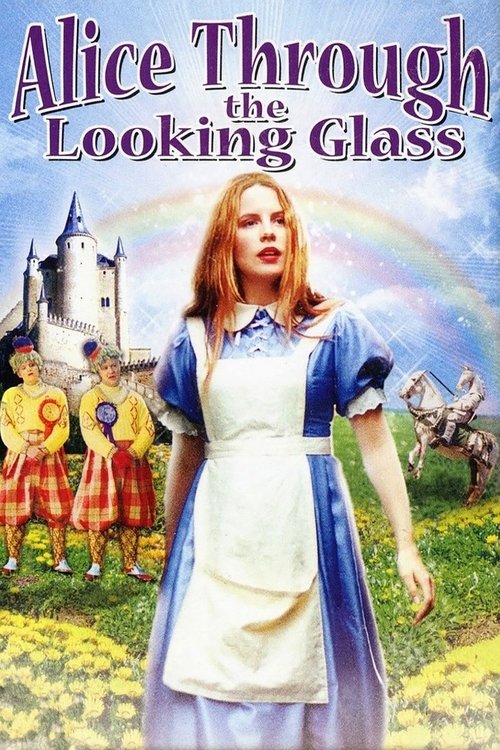
Alice Through the Looking Glass
1998
No user ratings available yet
Diversity score: 3.3 out of 10

1966
Director
Jonathan Miller
Runtime
72 minutes
Average Rating
No ratings yetSynopsis
Alice in Wonderland (1966) is a BBC television play based on Alice's Adventures in Wonderland by Lewis Carroll. It was directed by Jonathan Miller, then most widely known for his appearance in the long-running satirical revue Beyond the Fringe.
Overall Score
Limited
Category Breakdown
LGBTQ+ Representation
The film adheres strictly to its Victorian source material. There is no evidence of non-cisnormative identities or same-sex intimacy, functioning within a heteronormative framework.
Gender Representation
Alice provides meaningful agency as the primary lens for the narrative. The film subtly undermines patriarchal authority by portraying the adult world as logically inept and incompetent.
Racial & Ethnic Diversity
The production features a homogeneous cast reflecting its historical context. There is no evidence of color-blind casting or the inclusion of non-Anglo-Saxon characters.
Religious & Cultural Diversity
The narrative critiques social systems by emphasizing linguistic instability. The inhabitants subvert social etiquette, framing traditional norms as absurd and irrational through a postmodernist lens.
Disability Representation
No characters are defined by specific disabilities. While the surrealist tone mirrors neurodivergent experiences of sensory overload, these are stylistic choices rather than intentional character depictions.
Strengths
Areas for Improvement
AI Analysis
Jonathan Miller’s direction favors psychological surrealism over whimsical fantasy, using the medium to deconstruct narrative stability. The film's progressive value lies in its intellectual subversion of social logic rather than demographic inclusion. While the production remains demographically traditional and lacks intersectional representation, it successfully disrupts the 'family fantasy' genre. It replaces conventional tropes with a psychological exploration of systemic absurdity and the breakdown of Western rationalism.
1998
1973

2012
2009
2006
1954
2006
1978
1993
No reviews yet. Be the first to share your thoughts on this movie!
Use the rating form above to leave a star rating and optional review.