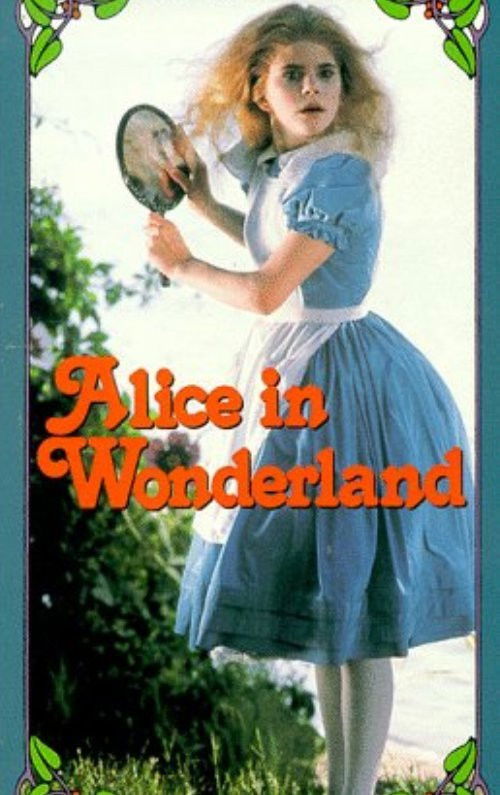
Children's Theatre Company: Alice in Wonderland
1982
No user ratings available yet
Representation score: 3.1 out of 10
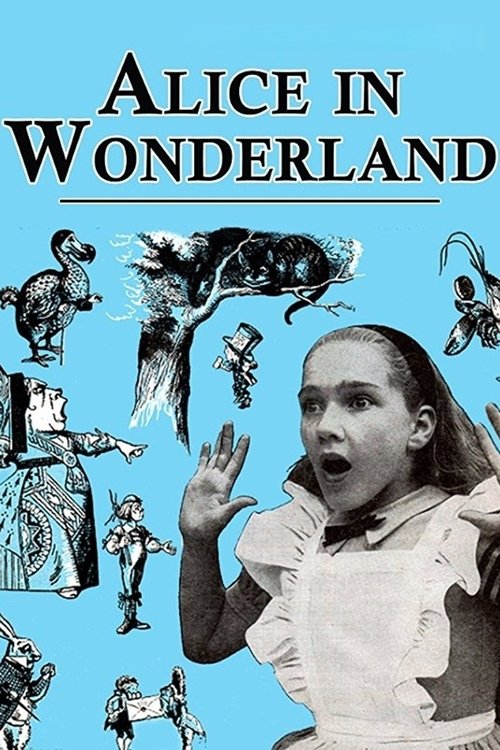
Representation Score
Limited
1955
Director
George Schaefer
Runtime
74 minutes
Average Rating
No ratings yetNew Showbiz Analysis
This 1955 adaptation adheres to the social and casting norms of its time. It focuses on preserving the whimsical, non-political essence of the source material rather than introducing modern social perspectives. The film lacks meaningful characters who reflect more than one aspect of diversity, resulting in a homogeneous cast and a narrative that avoids systemic critique. While Alice is a central figure, the character dynamics largely reinforce mid-century gender clichés and archetypes.
Category Breakdown
The film follows the conventions that assume everyone is straight or cisgender. It does not include non-assuming gender matches what was assigned at birth gender identities or same-sex relationships in the story.
Alice plays a central role, but her character is tied to the 'childhood innocence' cliché. The Queen of Hearts is shown as a farcical tyrant without critiquing patriarchal structures.
The film features a predominantly white cast, lacking color-blind casting or diverse ethnic representation, reflecting the era's standards for Victorian-inspired fantasy.
The narrative prioritizes whimsical nonsense over social or political critique. It does not engage with anti-Western narratives or challenge traditional Western institutions.
Characters like the Mad Hatter exhibit cognitive eccentricity, framed as literary whimsy. There is no meaningful representation of physical or sensory disabilities.
Present on Screen
Limited or Absent
Official Synopsis
A young girl named Alice goes through a looking glass and finds herself in Wonderland, a fantasy land of strange characters and ideas.
1982
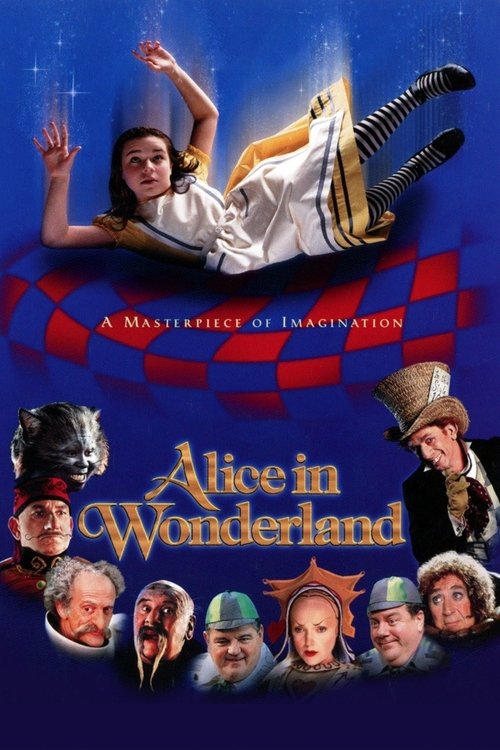
1999
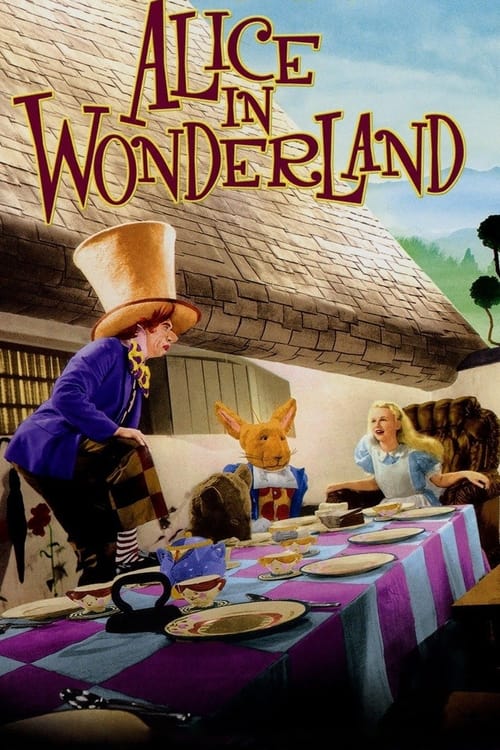
1933
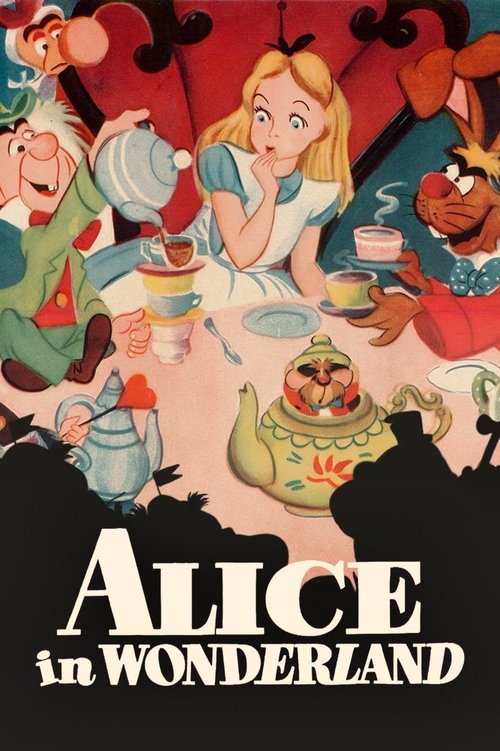
1951
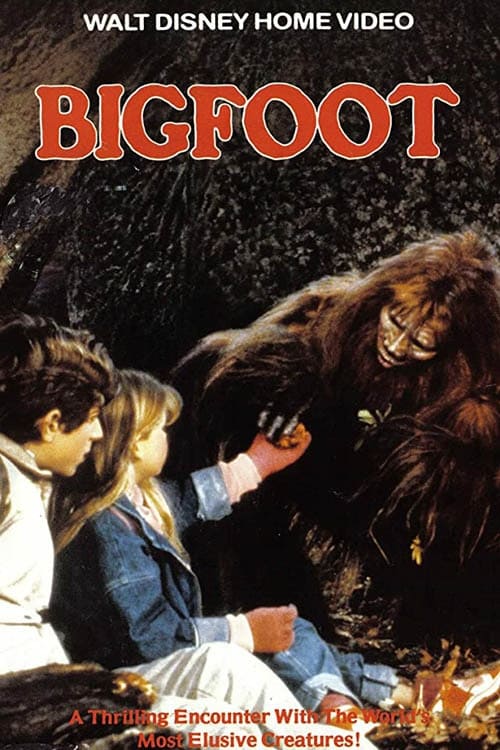
1987
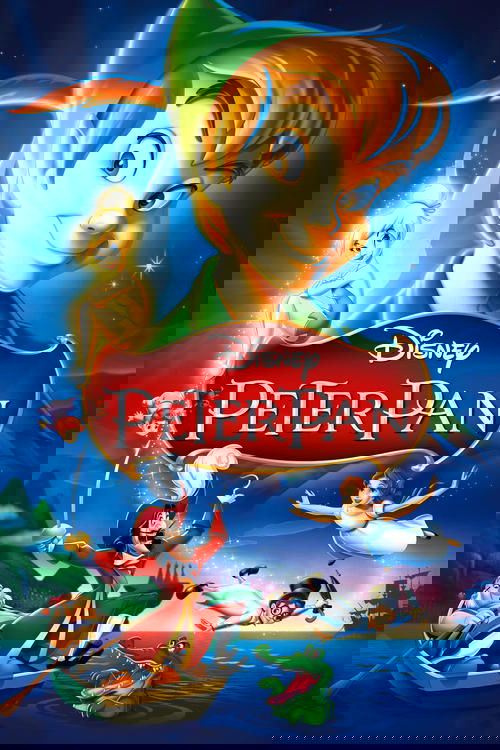
1953
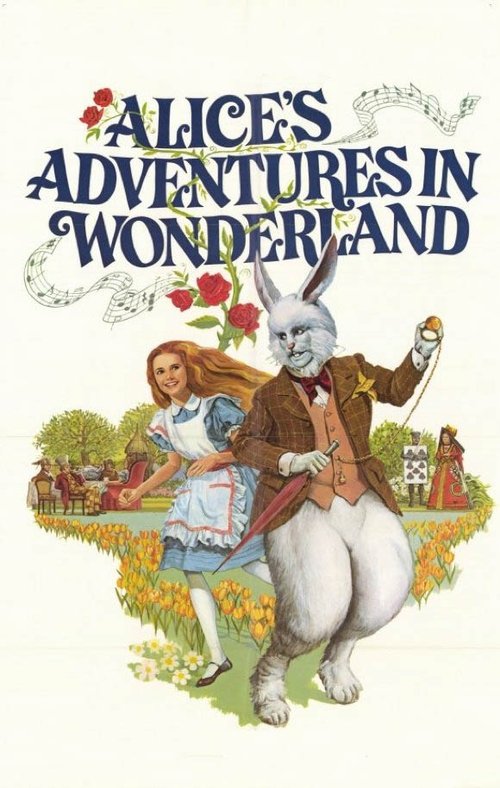
1972

1985
No reviews yet. Be the first to share your thoughts on this movie!
Use the rating form above to leave a star rating and optional review.