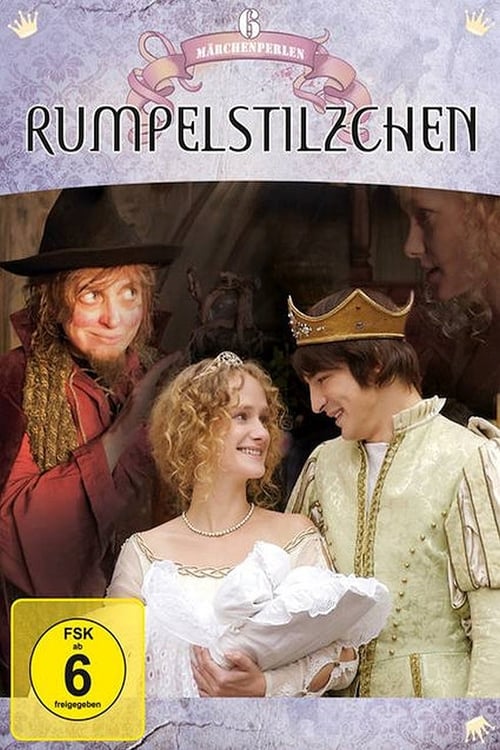
Rumpelstilzchen
2007
No user ratings available yet
Representation score: 2.5 out of 10
Representation Score
Minimal
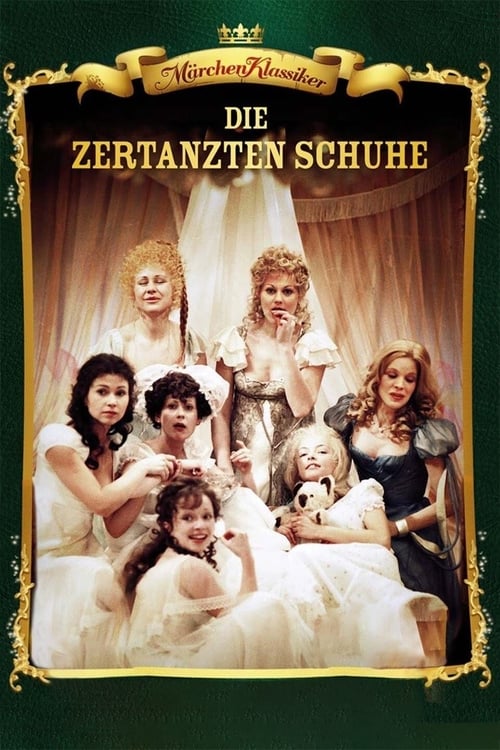
1977
Director
Ursula Schmenger
Runtime
44 minutes
Average Rating
No ratings yetNew Showbiz Analysis
This television adaptation of a Brothers Grimm fairytale adheres strictly to the traditional structures of mid-20th-century European folklore. The production prioritizes the preservation of established mythological archetypes over modern social or gender disruptions. The film's homogeneity reflects its era and genre, focusing on localized German traditions. It lacks the narrative subversion or diverse casting needed to move beyond traditional storytelling. Ultimately, the work serves as a cultural time capsule, reinforcing historical Western values and conventional social hierarchies through its reliance on classic fairy tale clichés.
Category Breakdown
The film does not include explicit representations of LGBTQ+ identities or same-sex relationships. It relies on traditional pairings typical of 1970s European fairy tale television.
The cast includes several prominent female actors, but the narrative likely follows traditional hierarchies. Female characters often serve as subjects of destiny rather than central agents of action.
The production features a homogeneous European ensemble consistent with its German-language folk origins. There is no evidence of diverse ethnic casting or non-European representation.
The film functions as a vehicle for preserving traditional Western cultural heritage. It operates within a framework of traditional morality and established folklore archetypes.
There is no documented evidence regarding the inclusion or portrayal of characters with physical or neurodivergent disabilities in this adaptation.
Present on Screen
Limited or Absent
Official Synopsis
Television adaptation of the Brothers Grimm fairytale.
2007

2011
2009
2006

2012
1954

1978
2012
No reviews yet. Be the first to share your thoughts on this movie!
Use the rating form above to leave a star rating and optional review.