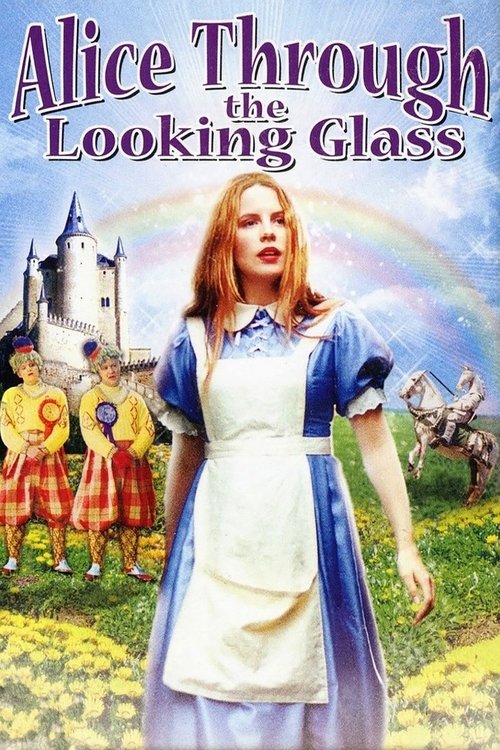
Alice Through the Looking Glass
1998
No user ratings available yet
Diversity score: 3.3 out of 10

1973
GDirector
James MacTaggart
Runtime
74 minutes
Average Rating
No ratings yetSynopsis
1973 BBC TV movie adaptation of the book by Lewis Carroll.
Overall Score
Fair
Category Breakdown
LGBTQ+ Representation
The production lacks explicit depictions of LGBTQ+ identities or non-heteronormative romantic pairings. While the surrealist setting deconstructs social structures, there are no intentional queer narrative arcs.
Gender Representation
Alice serves as a central female protagonist navigating a landscape of eccentric authority figures. She maintains intellectual agency amidst a world of chaotic, incompetent adults.
Racial & Ethnic Diversity
The casting aligns with standard 1970s BBC practices, featuring a homogeneous, Anglo-Saxon cast. There is no evidence of race-bent casting or significant non-white representation.
Religious & Cultural Diversity
The film uses dream-logic and absurdity to challenge Western rationalism and rigid social systems. It prioritizes postmodernist sensibilities over traditional moral structures.
Disability Representation
There is no evidence of characters with visible or invisible disabilities. The surrealism focuses on environmental disorientation rather than the agency of disabled characters.
Strengths
Areas for Improvement
AI Analysis
This 1973 BBC adaptation is defined more by its avant-garde, experimental direction than by a concerted effort toward intersectional representation. MacTaggart uses surrealism to disrupt traditional storytelling, which provides a subtle critique of rigid social and logical systems. However, the film remains largely tethered to the demographic norms of 1970s British television. The cast is homogeneous, and the narrative lacks explicit representation of LGBTQ+ identities or diverse racial backgrounds. Ultimately, the production's strength lies in its postmodernist approach to nonsense rather than its commitment to social diversity.
1998
1966

2012
2011
2019
2009
1978
2013

2006
2009
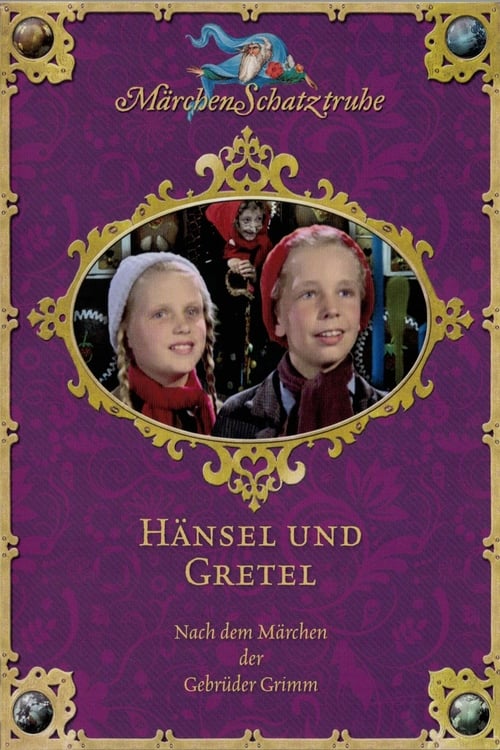
1954
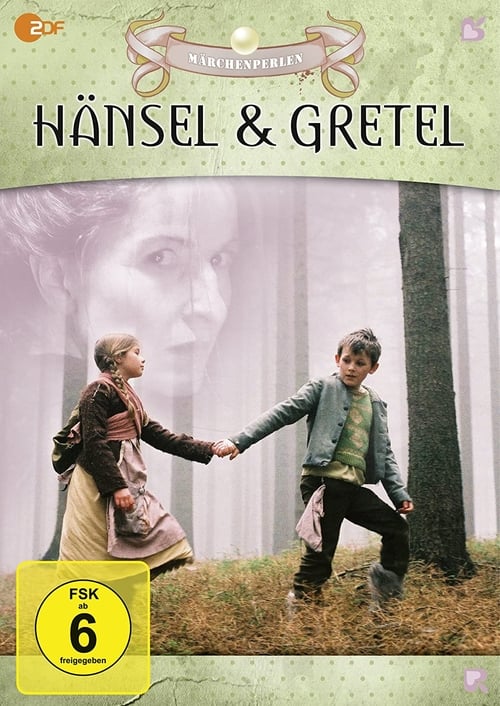
2006
No reviews yet. Be the first to share your thoughts on this movie!
Use the rating form above to leave a star rating and optional review.