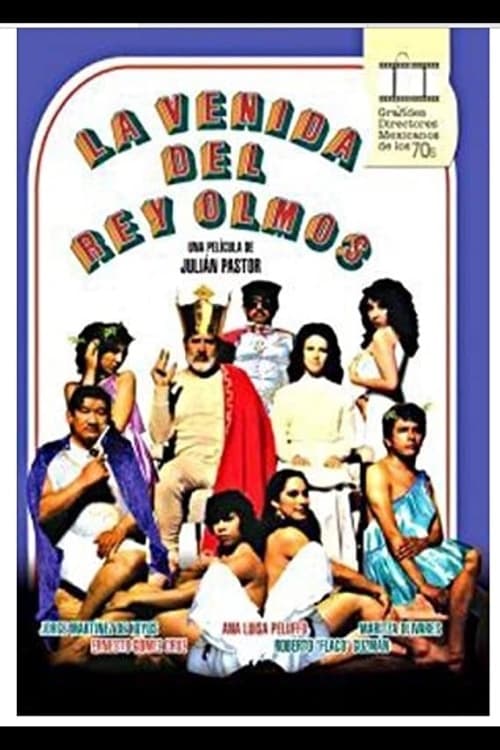
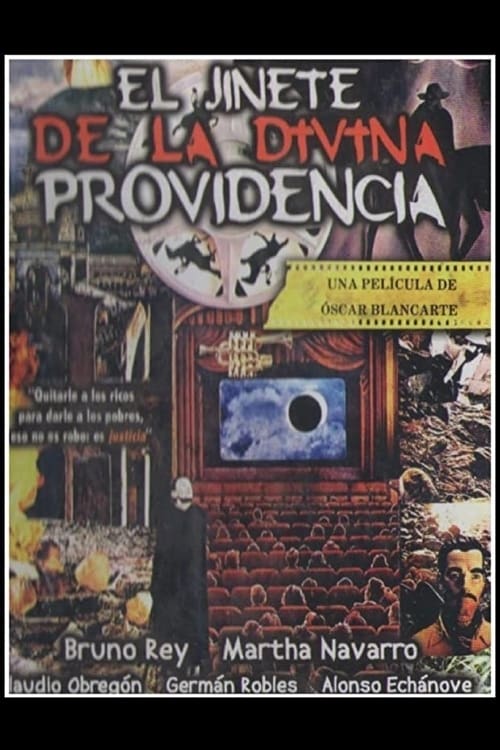
The Coming of the King Olmos
1975
No user ratings available yet
Representation score: 5.0 out of 10
Representation Score
Limited
1991
Director
Óscar Blancarte
Runtime
104 minutes
Average Rating
No ratings yetNew Showbiz Analysis
The film successfully deconstructs traditional power dynamics by elevating a underrepresented historical figure. By focusing on the legend of Jesús Malverde, the story provides a nuanced exploration of class-based identity and social justice. However, the film is limited by its heavy reliance on patriarchal structures. The plot is driven primarily by male religious authorities, leaving little room for gender diversity or the subversion of traditional hierarchies. Ultimately, while the film lacks representation for LGBTQ+ and disabled individuals, it offers a sophisticated critique of institutional authority through its focus on folk heroism and grassroots spirituality.
Category Breakdown
The film does not include any characters who identify as LGBTQ+, nor does it explore any non-traditional gender identities. The narrative focuses solely on religious and class-based conflicts.
The story centers around patriarchal structures, particularly the male-dominated church hierarchy. There is no indication of challenging traditional gender roles.
The film strongly represents Mexican cultural identity, focusing on the historical struggles and empowerment of the local working class.
The narrative explores complex cultural values by presenting a bandit as a figure of spiritual significance, which challenges the singular morality of traditional religious institutions.
There is no mention of characters with visible or invisible disabilities within the narrative.
Present on Screen
Limited or Absent
Official Synopsis
The bishop of Culiacan and three priests are dedicated to investigate the alleged miracles of Jesus Malverde, a bandit deceased at the end of XIX century who is said, stole from the rich and gave to the poor; which is enough reason for the locals to venerate him.
1975
1960
1977

1959

1975
1965
2007
1985
No reviews yet. Be the first to share your thoughts on this movie!
Use the rating form above to leave a star rating and optional review.