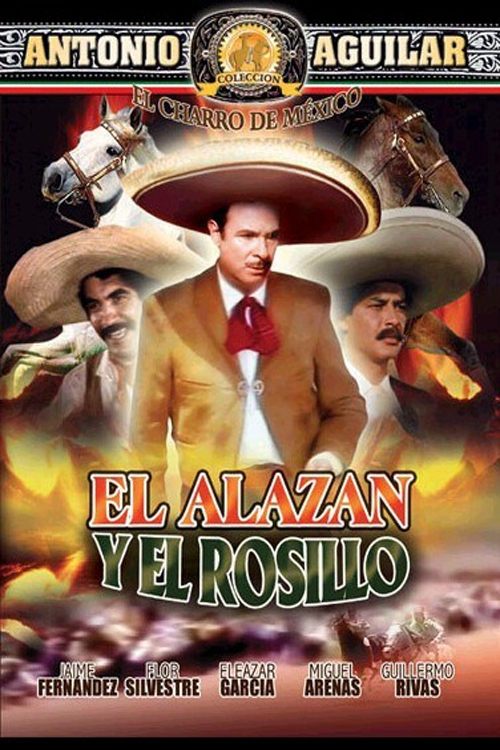
El alazán y el rosillo
1966
No user ratings available yet
Representation score: 2.4 out of 10
Representation Score
Limited
1965
Director
René Cardona
Runtime
88 minutes
Average Rating
No ratings yetNew Showbiz Analysis
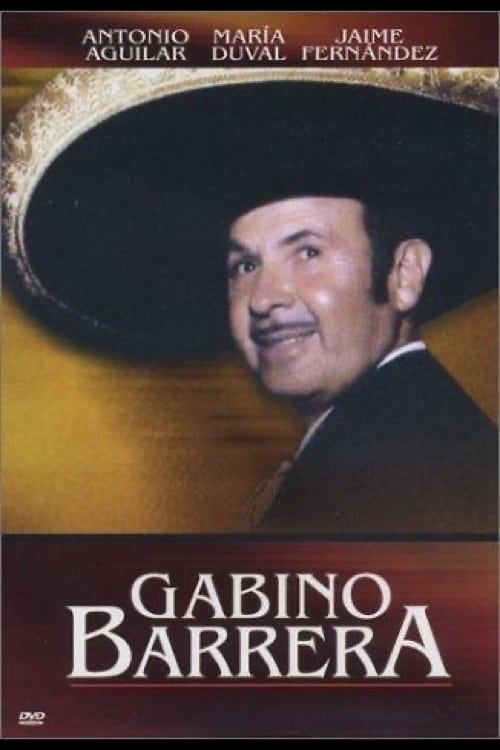
Gabino Barrera reclaims the Western genre by centering a Mexican folk hero. By positioning Antonio Aguilar as a champion for the common people, the film challenges the historical dominance of white-centric narratives in the Wild West. However, the film remains tied to the social norms of its time, reinforcing traditional gender hierarchies and focusing on masculine leadership and heroic protector clichés.
Category Breakdown
The film follows traditional sexual norms from 1965 and does not include any LGBTQ+ characters or narratives that question the assumption that everyone is straight.
The story focuses on a traditional masculine character who reforms and fights. While a woman named Maria Duval plays a key role, she may be portrayed in supportive or romantic roles.
The film challenges Anglo-centric Western stereotypes by centering a Mexican protagonist. This portrayal highlights the Mexican character as the main agent of justice and ethnic empowerment.
The narrative uses a populist framework, showing a hero who serves the common people. It celebrates regional identity and challenges centralized power through a folk-hero tradition.
There are no characters with visible or invisible disabilities mentioned in the narrative.
Present on Screen
Limited or Absent
Official Synopsis
Famed Mexican action and music star Antonio Aguilar brings blazing charisma to the title role of Gabino Barrera, a 19th-century reformer and fighter for the common people. Barrera, a self-styled Robin Hood of the Wild West, becomes a local folk hero whose noble exploits are celebrated in song throughout his town in this rousing adventure. The film, which spawned several sequels, also stars Maria Duval and Jaime Fernandez.
1966
1975
1965
1956
1978
1967
1971
1965
No reviews yet. Be the first to share your thoughts on this movie!
Use the rating form above to leave a star rating and optional review.