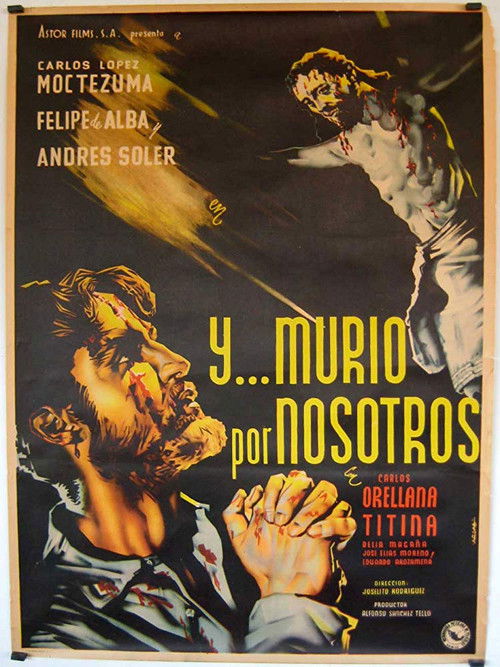
¡… Y murío por nosotros!
1951
No user ratings available yet
Representation score: 4.0 out of 10
Representation Score
Limited
1985
Director
José María Martín Sarmiento
Runtime
100 minutes
Average Rating
No ratings yetNew Showbiz Analysis
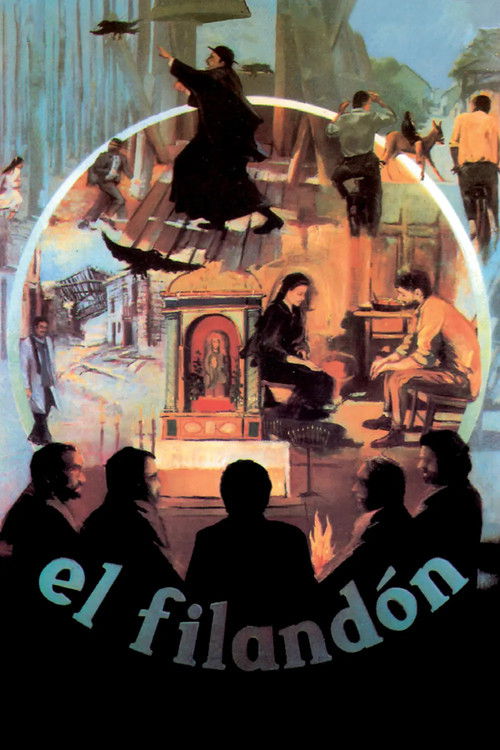
El Filandón is a sophisticated deconstruction of national identity that uses the gaucho myth to challenge state authority. While it lacks diversity in modern demographic categories like LGBTQ+ or gender representation, it offers a deep critique of institutional power. The film's strength lies in its cultural subversion. By framing vigilantism as a rebellion against capitalist expansion and land encroachment, it provides a complex view of justice that defies the traditional civilization versus barbarism dichotomy. Ultimately, the film trades demographic breadth for thematic depth, focusing on the friction between rural tradition and the encroaching modern state.
Category Breakdown
The film focuses on traditional masculine roles and honor codes of 19th-century gaucho culture. It does not include any depictions of non-straight or non-cisgender identities and does not challenge the assumption that everyone is straight or cisgender.
The story centers on male camaraderie and leadership in the Argentine frontier. Female characters have limited influence, reinforcing the patriarchal structures of the time.
The casting reflects the historical mix of mestizo and white populations in the gaucho community. It provides a detailed look at the specific ethnic identity of the rural working class.
The film excels by criticizing Western institutions and the expansion of large-scale land ownership. It highlights the struggles of the rural class against the modern state.
There are no prominent depictions of physical or neurodivergent disabilities that serve as central narrative drivers in this work.
Present on Screen
Limited or Absent
Official Synopsis
According to legend, Pelayo became a martyr and saint by sacrificing himself to save his king, Bermudo de León. Now, people gather to explain their history and ask for disaster protection.
1951
1960

1994

2018

1977
1970
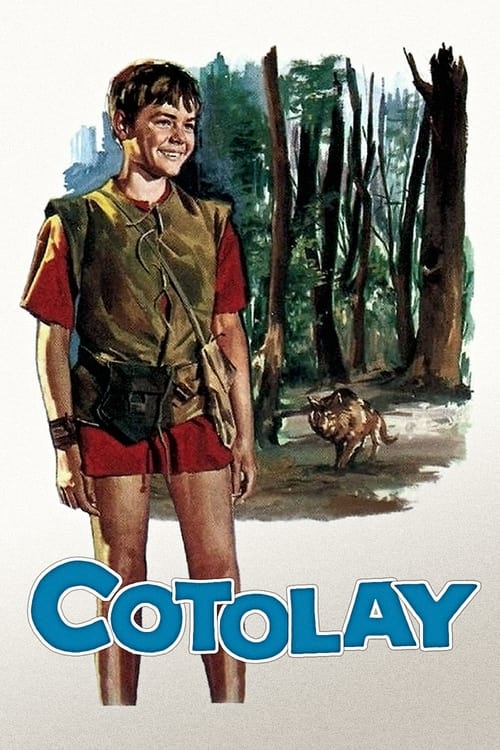
1965

1997
No reviews yet. Be the first to share your thoughts on this movie!
Use the rating form above to leave a star rating and optional review.