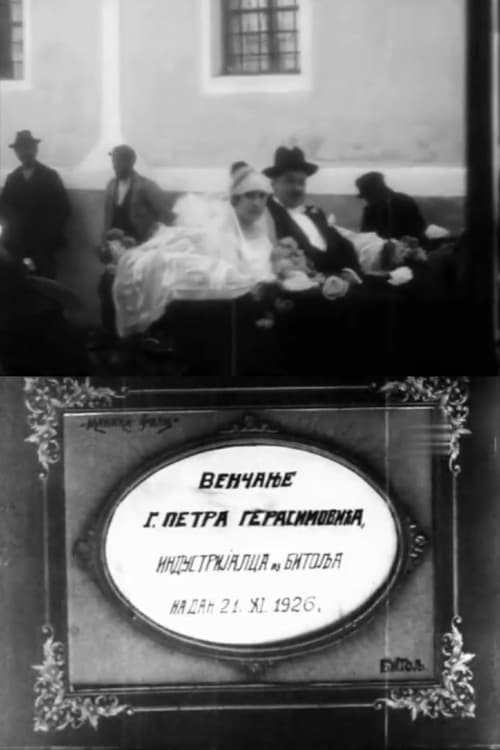
A Wedding in Bitola
1905
No user ratings available yet
Representation score: 1.8 out of 10
No Poster Available
Representation Score
Minimal
1905
Director
Yanaki Manaki, Milton Manaki
Runtime
1 minutes
Average Rating
No ratings yetNew Showbiz Analysis
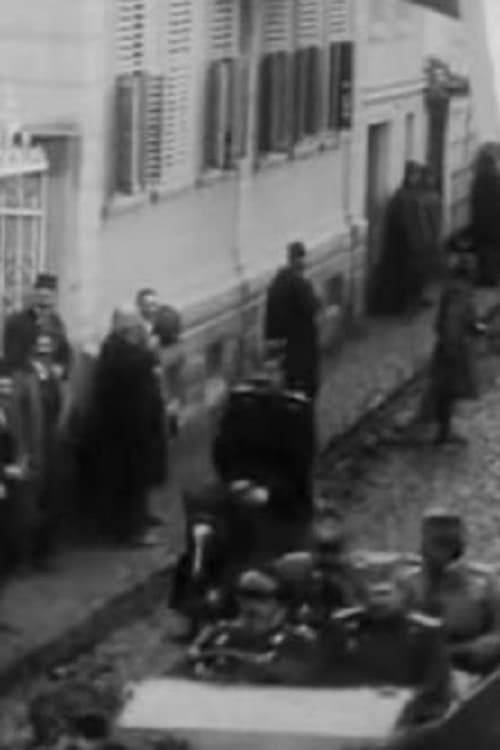
This documentary serves as a foundational ethnographic record of early 20th-century Balkan life. It captures the rigid social and religious hierarchies of the time through the lens of a religious funeral procession. While the film lacks modern diversity in terms of gender and LGBTQ+ representation, it offers significant historical value. It provides a rare, non-Western perspective of regional identity and cultural traditions. The low diversity score reflects the film's role as a preservation of traditional structures. It documents a specific, homogeneous moment in history rather than attempting to disrupt or represent a broad spectrum of identities.
Category Breakdown
The film does not include any LGBTQ+ characters or narratives. It follows the assumption that everyone is straight or cisgender.
The documentary focuses on patriarchal structures within religious institutions. Women appear only in supporting roles, while leadership positions are held exclusively by men.
The film presents a non-Western perspective of Balkan identity through ethnographic documentation. However, it shows a relatively uniform ethnic and religious group.
The work centers on the rituals of the Orthodox Church and the importance of a Metropolitan. It emphasizes traditional religious hierarchies without challenging them.
There is no indication of characters with visible or invisible disabilities. No individuals with disabilities are shown taking an active role.
Present on Screen
Limited or Absent
Official Synopsis
Balkan actuality.
1905
1905

1912
1905
1908
1908
1918
1911
No reviews yet. Be the first to share your thoughts on this movie!
Use the rating form above to leave a star rating and optional review.