Bürger Schippel
1964
No user ratings available yet
Representation score: 3.3 out of 10
Representation Score
Minimal
1964
Director
Hans Schott-Schöbinger
Average Rating
No ratings yetNew Showbiz Analysis
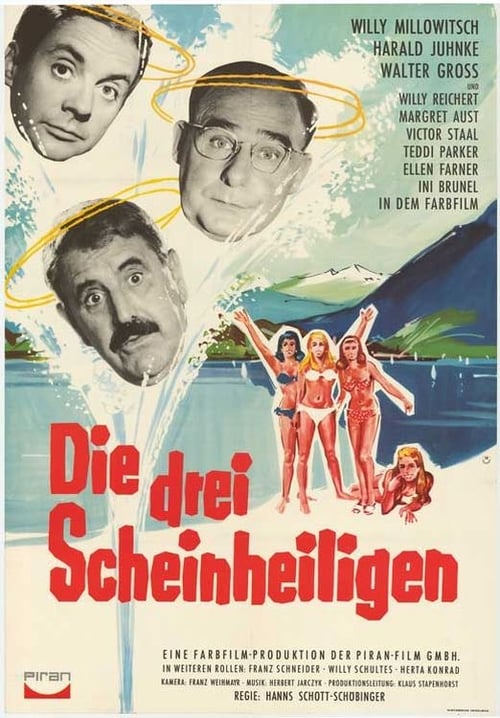
Die drei Scheinheiligen is a product of its time, functioning within the conventional social and demographic frameworks of 1960s European cinema. The film relies on traditional comedic structures rather than attempting to challenge systemic hierarchies. The production lacks multi-layered narrative depth, favoring established formulas and a homogeneous cast. It reflects the standard demographic norms of the West German film industry during this period. Ultimately, the work serves as a snapshot of mid-century social hierarchies, prioritizing traditional storytelling over diverse perspectives.
Category Breakdown
The film follows the straight-centered norms typical of 1960s German cinema. There is no indication of non-binary gender identities or critiques of traditional norms.
The cast features a gender imbalance common in mid-century comedies. The production likely adheres to traditional gender roles and established comedic archetypes of the era.
The production reflects a homogeneous cast consistent with the 1964 domestic German film industry. No diverse ethnic perspectives or race-bent casting are present.
The film likely emphasizes social hypocrisy or traditional morality. It appears to reinforce the cultural and social norms of its time.
There is no information available regarding the presence or portrayal of characters with visible or invisible disabilities.
Present on Screen
Limited or Absent
1964
1955
1961
1964
1976
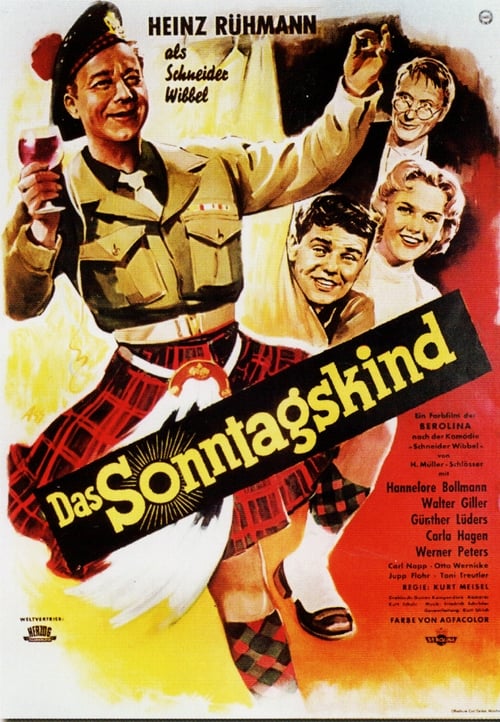
1956
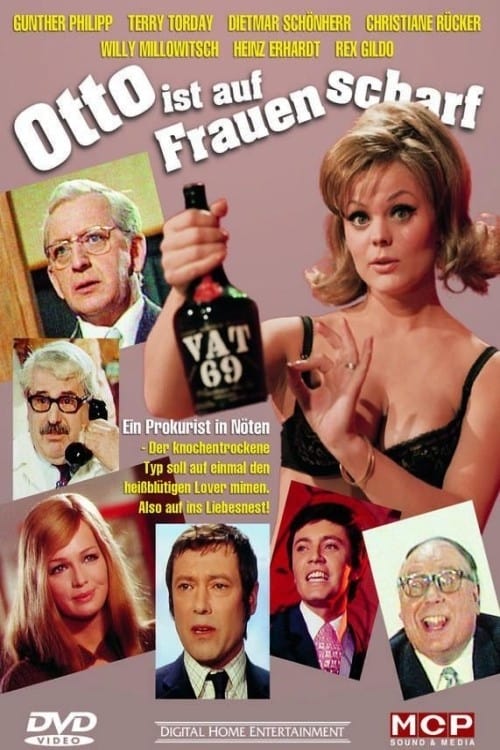
1968
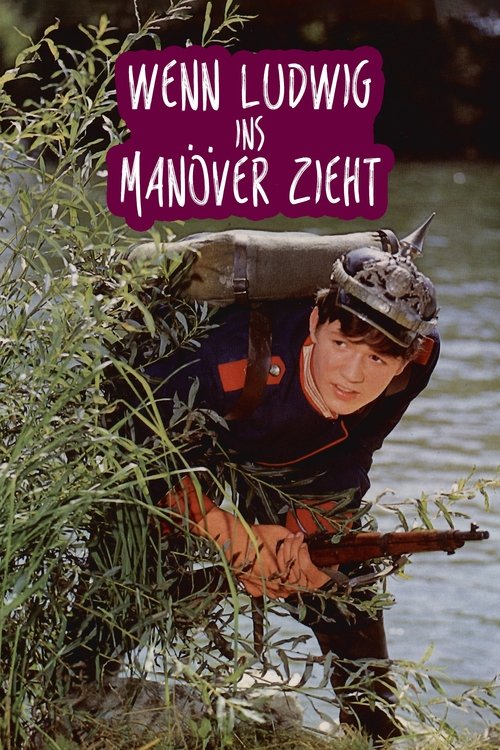
1967
No reviews yet. Be the first to share your thoughts on this movie!
Use the rating form above to leave a star rating and optional review.