Geethanjali
1989
No user ratings available yet
Representation score: 5.7 out of 10
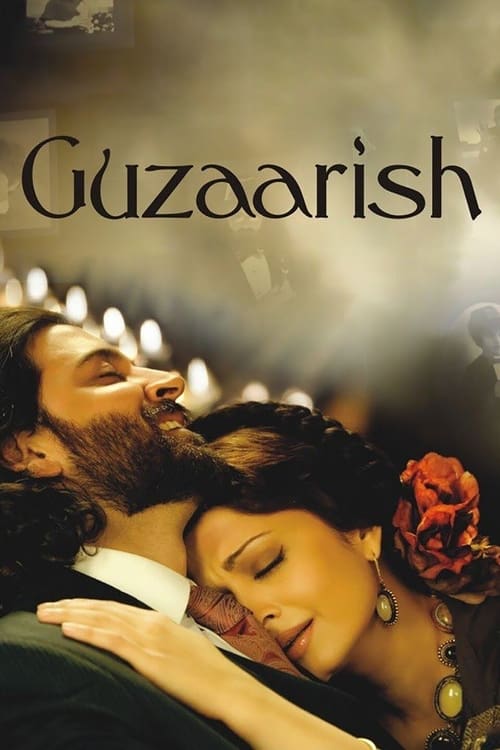
Representation Score
Good
2010
PGDirector
Sanjay Leela Bhansali
Runtime
126 minutes
Average Rating
No ratings yetNew Showbiz Analysis
Guzaarish is a powerful exploration of bodily autonomy and the tension between institutional structures and individual rights. It disrupts typical cinematic narratives by presenting the protagonist's desire for euthanasia as a pursuit of dignity rather than a character flaw. The film excels in its respectful and nuanced portrayal of physical disability. By centering the legal battle for euthanasia, it addresses the protagonist's lived experience with gravity. However, it remains confined by its traditional heterosexual romantic framework and its focus on high-socioeconomic characters.
Category Breakdown
The film adheres to a conventional structure that assumes everyone is straight. The central emotional storyline revolves around Ethan and Sofia's heterosexual relationship, neglecting any queer narratives.
Sofia is portrayed as a strong, independent woman who navigates her professional life while maintaining her autonomy. The film highlights her active role in the story, emphasizing her control and decision-making.
The cast reflects a modern, cosmopolitan Indian society. However, the focus on high socioeconomic status characters limits the exploration of broader class-based or ethnic diversity.
The narrative challenges traditional religious views by prioritizing secular, individualistic ethics. It criticizes the medical and legal establishments as oppressive forces against personal dignity.
Ethan’s paralysis is central to the plot, focusing on his desire for autonomy rather than pity. The film avoids the 'inspiration porn' cliché by treating his quest for independence seriously.
Present on Screen
Limited or Absent
Official Synopsis
Ethan, a magician rendered paralyzed in an accident, sets off a furor when he makes a petition to the court to end his own life.
1989
2021
2010

2002
1996

2005
2002
2009
No reviews yet. Be the first to share your thoughts on this movie!
Use the rating form above to leave a star rating and optional review.