Two Lights: Relumino
2017
No user ratings available yet
Representation score: 6.1 out of 10
Representation Score
Good
2007
Director
Tamar van den Dop
Runtime
103 minutes
Average Rating
No ratings yetNew Showbiz Analysis
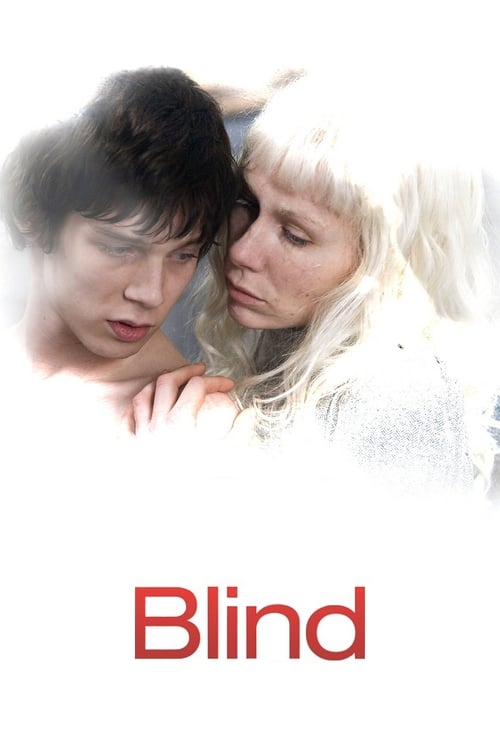
Blind is a character-driven exploration that uses sensory limitations to delve into human connections. Its standout feature is the sophisticated portrayal of disability, where Ruben's blindness is presented as a core part of his identity and perspective. The film excels in integrating disability as a central element of character development, offering a nuanced take on storytelling by focusing on subjective, non-traditional viewpoints. However, the film remains confined to a primarily European context and does not explicitly engage with broader issues of racial, ethnic, or LGBTQ+ diversity.
Category Breakdown
The story centers on a relationship between Ruben and Marie that follows traditional attraction norms. Although it doesn't explicitly include non-straight identities, the film encourages seeing beyond surface appearances, which subtly challenges typical attraction norms.
Marie plays a central role in the film's emotional development, taking control of her own story and avoiding being defined solely by her domestic role. The film highlights her insecurities and intellect, providing a nuanced look at her character.
The setting and cast reflect a predominantly European context. While Marie’s albinism challenges typical beauty standards, the film does not address broader racial or ethnic diversity.
The narrative emphasizes personal, subjective experiences over traditional societal structures. It focuses on an intimate, isolated psychological landscape rather than community or civic responsibilities.
Ruben’s blindness is a key part of his identity rather than just a plot device. The film avoids portraying his condition as inspirational, instead showing it as a fundamental aspect of his life.
Present on Screen
Limited or Absent
Official Synopsis
Ruben is a lone and unbalanced young man who lost his sight in childhood. Marie is an albino woman of temperate look and with a lot of insecurities. She has a beautiful voice and, along with Ruben, shares a mutual love for books and tales. Ruben's mother hires her as a reader to read her son books orally. While they live in a mansion, between these two lonely souls sparks love, but will love still be blind if the man recovers from his blindness?
2017
1991
1986
2001
1962
2005
2013
2014
No reviews yet. Be the first to share your thoughts on this movie!
Use the rating form above to leave a star rating and optional review.