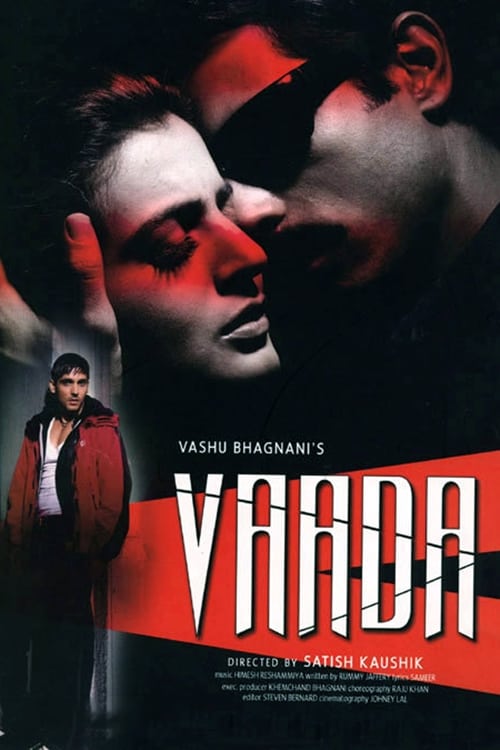
Vaada
2005
No user ratings available yet
Representation score: 4.5 out of 10

Representation Score
Limited
2003
Director
Naresh Malhotra
Runtime
150 minutes
Average Rating
No ratings yetNew Showbiz Analysis
Dil Ka Rishta is a quintessential early 2000s Bollywood melodrama that prioritizes traditional romantic archetypes over social subversion. The narrative relies heavily on established clichés of tragedy, fate, and redemption to drive its emotional stakes. While the film includes elements of disability and professional female roles, these are often secondary to the central romantic conflict. Characters frequently function within rigid social hierarchies rather than challenging them. Ultimately, the film reinforces conventional gender roles and straight-centered structures, making it a standard example of mainstream commercial cinema from its era.
Category Breakdown
The film adheres to the assumption that everyone is straight or cisgender. The central conflict revolves around traditional romantic relationships and the sanctity of marriage, offering no representation of diverse sexual orientations or gender identities.
Tia, as a teacher, demonstrates professional competence but her storyline is marked by vulnerability and memory loss. Male characters dominate the plot through their wealth, tragic circumstances, and romantic pursuits.
The film features a culturally uniform cast typical of mainstream Indian cinema. It portrays a standard representation of its cultural context without questioning racial hierarchies.
The story emphasizes traditional societal values, focusing on the nuclear family and romantic destiny. It relies on conventional moral frameworks and cautionary storytelling about heartbreak.
A school for the deaf and mute provides the setting, but disability serves mainly as a backdrop. Memory loss is used as a plot device to facilitate narrative shifts.
Present on Screen
Limited or Absent
Official Synopsis
Wealthy Jai Mehta is a young man with a heart that has gold. He supports many charitable organizations in India and one day when he visits a deaf and dumb school, he falls in love with the teacher there, Tia Sharma, expresses his love to her and is openly humiliated when she introduces her fiancé, Raj. Soon after Raj and Tia gets married and are proud parents of a baby boy, Anshu. A heart broken Jai takes to alcohol and one night under the influence of alcohol, Jai's car collide with Raj and Tia's car mysteriously killing Raj and seriously injuring Tia about the head. Tia is treated by doctor, recovers but is unable to remember anything from her troubled past. Jai makes it his responsibility to take care of her, slowly she falls in love with him and proposes marriage. But will this marriage takes place or will Tia remembers her past and takes revenge from Jai for the death of her husband and for her current condition
2005
1998
1980
1994
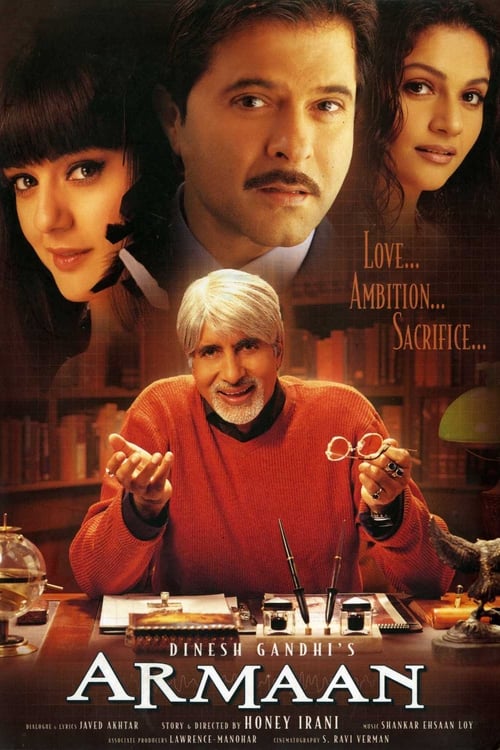
2003
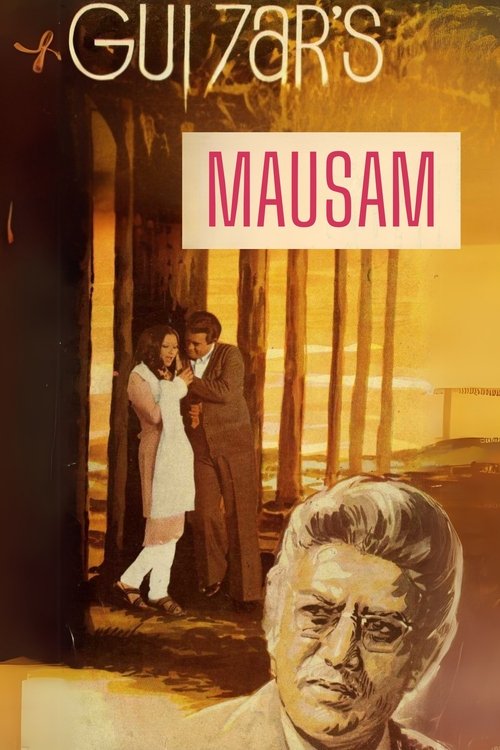
1975
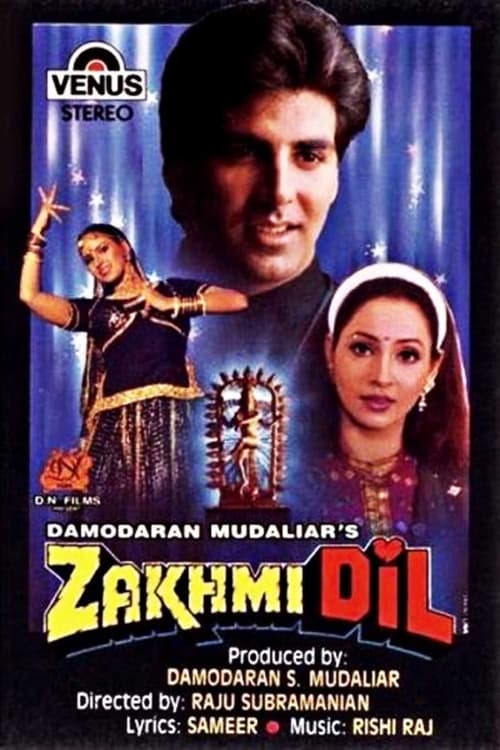
1994
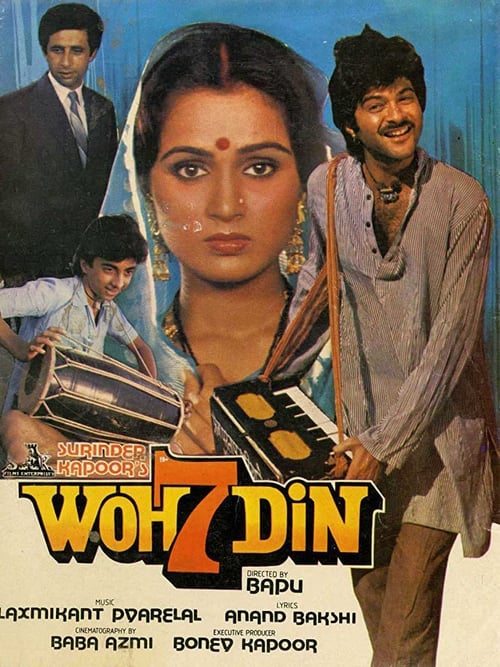
1983
No reviews yet. Be the first to share your thoughts on this movie!
Use the rating form above to leave a star rating and optional review.