
Cactus
1986
No user ratings available yet
Representation score: 5.2 out of 10
Representation Score
Good
1991
RDirector
Jocelyn Moorhouse
Runtime
90 minutes
Average Rating
No ratings yetNew Showbiz Analysis
Proof is a psychological drama that emphasizes intellectual depth over broad demographic representation. It excels by challenging traditional hierarchies, especially through its nuanced exploration of neurodivergence and female leadership. The narrative questions the stability of objective reality while moving beyond simplistic formulas. However, the film's reach is constrained by a lack of LGBTQ+ and racial representation. Its focus remains within a narrow, white academic context, limiting the scope of its social commentary. Ultimately, the film's strength lies in its respectful portrayal of neurodivergence and mental health, avoiding exploitation.
Category Breakdown
The film does not include prominent LGBTQ+ characters or stories that go beyond traditional heterosexual relationships. Relationships in the film follow conventional romantic and friendship patterns.
Anne Nelson is a key figure in the story, demonstrating strong intellectual leadership. The film highlights her professional skills and independence rather than traditional domestic roles.
The cast is fairly uniform, focusing on a predominantly white, academic setting. The narrative does not actively address racial or ethnic diversity.
The story explores postmodern ideas by questioning absolute truths. It criticizes how institutions can sideline those who are considered eccentric or have neurodivergent conditions.
The film offers a thoughtful look at neurodivergence and mental health issues. It avoids sensationalism, focusing instead on the isolation and self-determination of characters who face cognitive differences.
Present on Screen
Limited or Absent
Official Synopsis
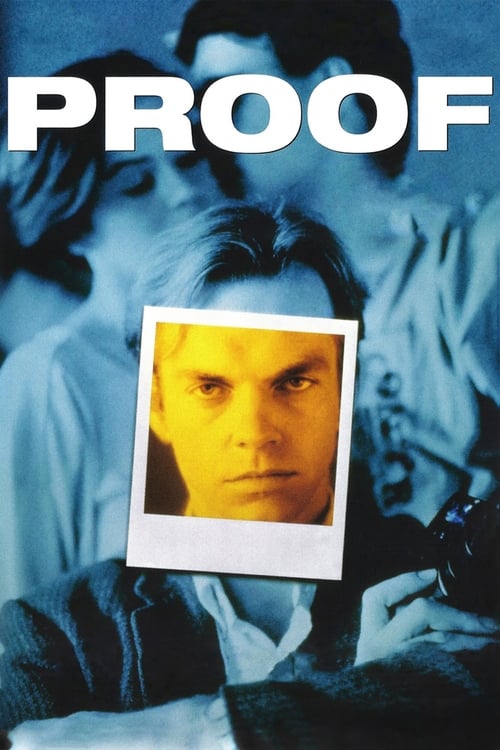
Martin, a young blind photographer, is divided between his friendship with restaurant worker Andy and the exclusive love that Celia—who is terribly jealous of this new friendship—has for him.
1986

1995
1999

1989

2007

1996
2000

1987
No reviews yet. Be the first to share your thoughts on this movie!
Use the rating form above to leave a star rating and optional review.