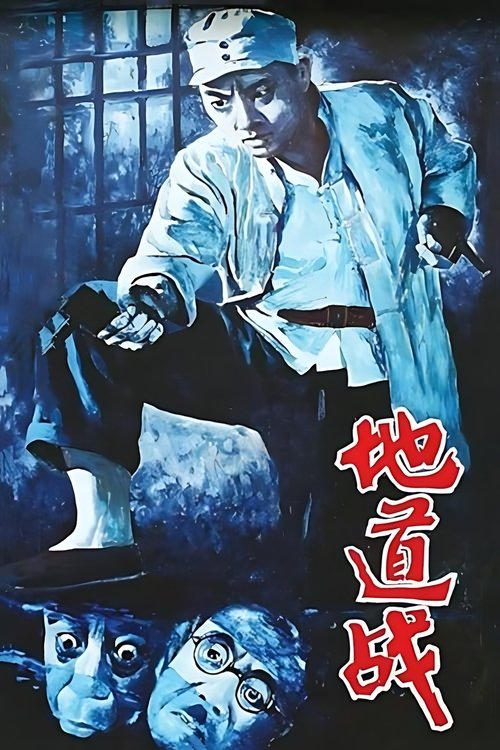
Tunnel Warfare
1965
No user ratings available yet
Representation score: 5.2 out of 10
Representation Score
Limited
1959
Director
Wang Bing
Average Rating
No ratings yetNew Showbiz Analysis
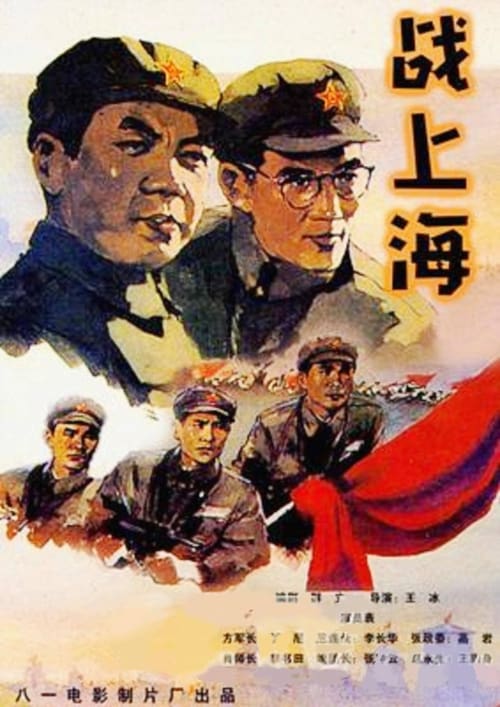
To Liberate Shanghai is a product of mid-century state-sponsored cinema, prioritizing collective struggle over individual identity. Its narrative structure emphasizes military command and systemic transformation rather than personal character studies. While the film falls short on modern Western standards for gender and LGBTQ+ representation, it provides a strong cultural critique. It frames the conflict as a necessary dismantling of oppressive, traditionalist social orders. Ultimately, the film's diversity lies in its ideology. It focuses on the radical restructuring of social and economic institutions through a revolutionary lens.
Category Breakdown
The film does not include any characters or identities that identify as LGBTQ+. The story centers on military strategies and political liberation within a strict social structure.
The plot is driven by male-dominated military structures, featuring commanders and commissars. Although an underground leader is mentioned, leadership roles are still centered on traditional masculine figures.
The cast is ethnically uniform, focusing on a localized Chinese conflict. However, the story serves as a metaphor for dismantling old-world hierarchies and reclaiming territory.
The film excels in its critique of Western-aligned and capitalist institutions. It prioritizes collective political goals and revolutionary change over individualist or religious morality.
There is no documented evidence regarding the portrayal of physical or neurodivergent disabilities in this work.
Present on Screen
Limited or Absent
Official Synopsis
After the decisive “Three Battles,” the East China Field Army is ordered to encircle Shanghai. Commander Tang Yunfu’s 300,000-strong KMT garrison readies for a climactic showdown. Under directives to liberate and yet preserve the city, Commander Fang and Commissar Zhang orchestrate a pincer movement, luring Tang’s main force to the suburbs for annihilation while infiltrating Shanghai’s heart. With underground leader Lin Fan’s help, our troops seize territory south of the Suzhou River. The KMT falls back to the north bank, and Liu Yi’s division makes a final stand downtown. Street fighting erupts as our vanguard storms the power plant, city hall, and key installations. Overwhelmed by coordinated military might and political pressure, the remaining defenders hoist the white flag, marking Shanghai’s liberation.
1965
1966

1959
1957
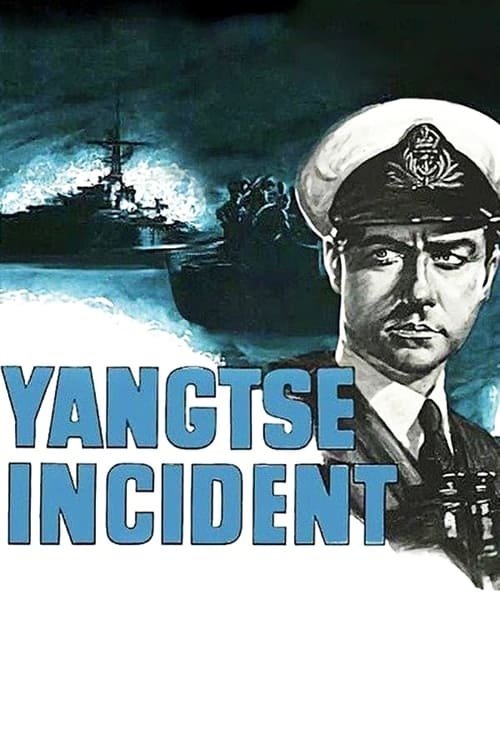
1957
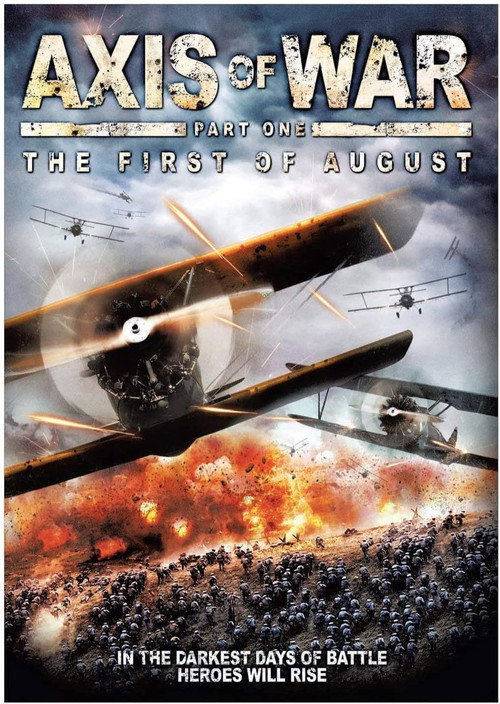
2007
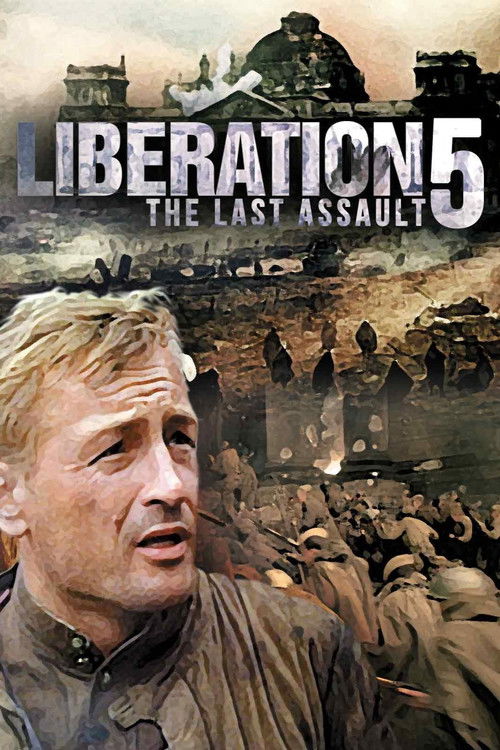
1971
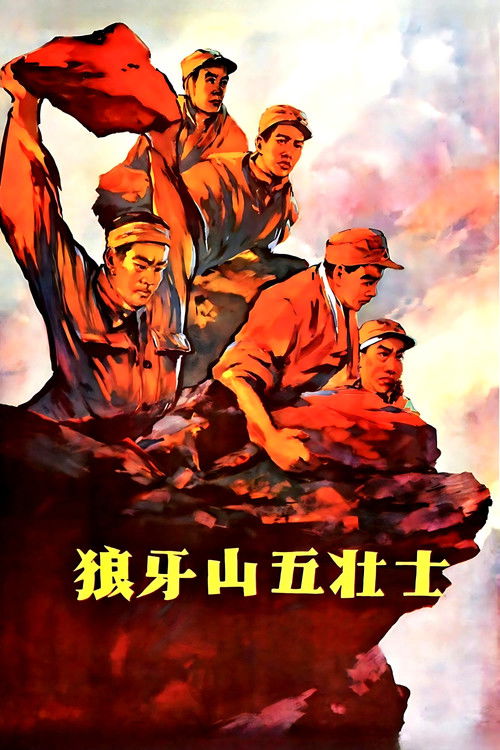
1958
No reviews yet. Be the first to share your thoughts on this movie!
Use the rating form above to leave a star rating and optional review.