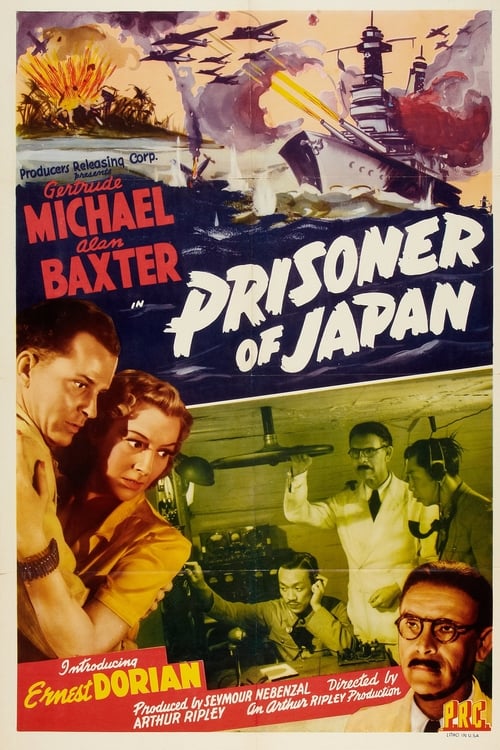
Prisoner of Japan
1942
No user ratings available yet
Diversity score: 1.3 out of 10
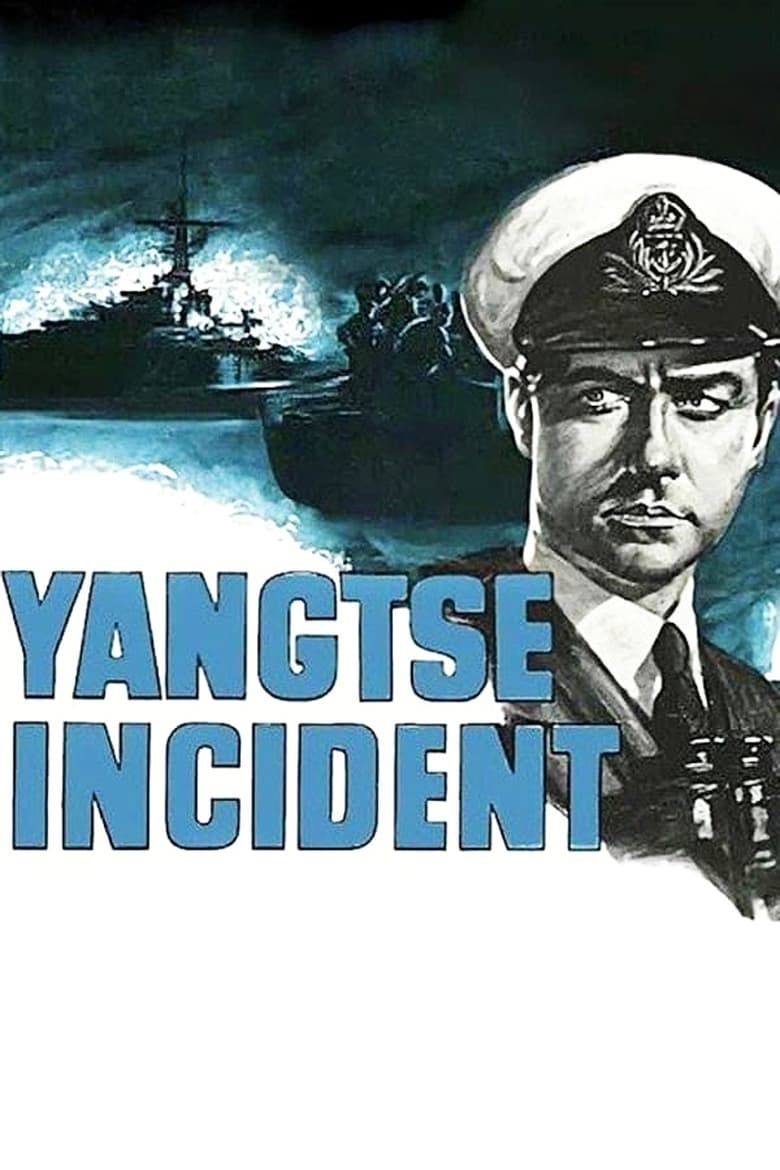
1957
ApprovedDirector
Michael Anderson
Runtime
113 minutes
Average Rating
No ratings yetSynopsis
While sailing lawfully up the Yangste in 1949, the British warship Amethyst found its return to the open sea blocked by Communist Chinese shore batteries that unexpectedly opened fire. In charge, Lietenant Commander Kerans was not however prepared for his crew and his ship to remain as a hostage for the Chinese to use as an international pawn.
Overall Score
Minimal
Category Breakdown
LGBTQ+ Representation
The film follows a strictly heteronormative structure typical of 1957. There are no depictions of same-sex intimacy or non-cisnormative identities.
Gender Representation
The narrative is almost exclusively male-centric, focusing on the British naval command structure. Women are absent from significant roles, leaving no room for female agency.
Racial & Ethnic Diversity
The cast primarily features Anglo-Saxon naval personnel. While Chinese characters appear, they function as external obstacles rather than individuals with complex agency.
Religious & Cultural Diversity
The story frames the conflict through Western interests and naval survival. It portrays Chinese Communist forces as a source of tension rather than exploring systemic political nuances.
Disability Representation
There is no representation of physical or neurodivergent disabilities. The characters are depicted as a standardized group of able-bodied military professionals.
Strengths
Areas for Improvement
AI Analysis
Yangtse Incident is a traditional mid-century historical reconstruction that prioritizes established military hierarchies. The film centers on the British naval perspective during a period of geopolitical instability, offering a conventional portrayal of conflict. The narrative lacks intersectional depth, focusing almost entirely on a male-dominated, Anglo-Saxon crew. While it depicts foreign forces, these characters serve as environmental threats rather than fully realized individuals. Ultimately, the film adheres to the social and cinematic conventions of its era, reinforcing Western institutional stability without subverting traditional social norms.
1942

1989

2004

1968

2010
1953
1965

1945

1955

1968

1955
1958
No reviews yet. Be the first to share your thoughts on this movie!
Use the rating form above to leave a star rating and optional review.