
Every Sunday
1936
No user ratings available yet
Representation score: 1.1 out of 10
No Poster Available
Representation Score
Limited
1935
ApprovedDirector
William Watson
Runtime
9 minutes
Average Rating
No ratings yetNew Showbiz Analysis
The Life of the Party is a typical 1930s musical comedy that emphasizes traditional social structures over progressive representation. While it allows working-class children to perform for the elite, the narrative remains firmly rooted in the era's established hierarchies. The film lacks meaningful engagement with LGBTQ+ identities or disability representation, focusing instead on high-society festivities and validating talent through the upper class.
Category Breakdown
The film does not include any characters with non-binary gender identities or same-sex relationships, reflecting the straight-centered social structures typical of 1930s musical comedies.
The story focuses on a hostess managing a social event, reinforcing traditional gender roles. Although she plays a key role in discovering new talent, the overall power dynamics remain conventional.
Class-based tension is introduced through the children of the kitchen maid. However, the film does not provide specific details about the racial identities of these performers.
The narrative follows a traditional Western perspective centered on high-society events. It uses a discovery cliché that upholds existing social hierarchies without challenging them.
The film does not depict any characters with physical disabilities or neurodivergent conditions.
Present on Screen
Limited or Absent
Official Synopsis
At a high-society house party, the hostess finds herself short of the expected booked-talent, and discovers the five kids of the kitchen maid singing up a storm. She brings them to the party as performers. The Six Mountain Melodeers also sing a song.
1936
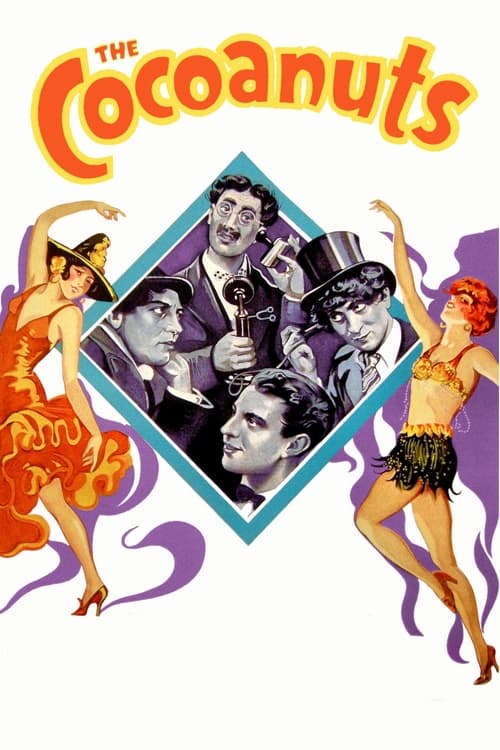
1929
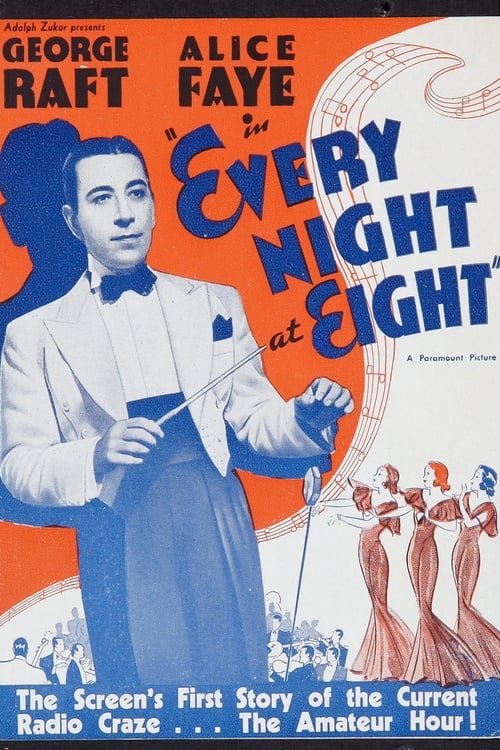
1935
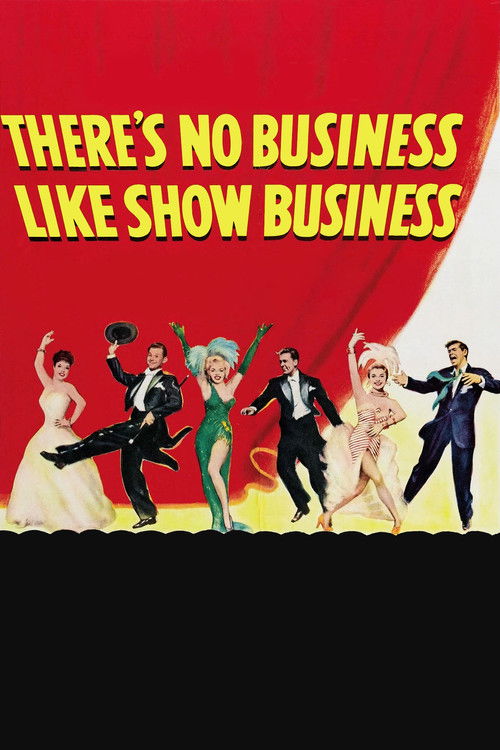
1954
1935

1937
1937

1945
No reviews yet. Be the first to share your thoughts on this movie!
Use the rating form above to leave a star rating and optional review.