
Occupation
2021
No user ratings available yet
Representation score: 3.4 out of 10
Representation Score
Fair
1971
Director
Štefan Uher
Runtime
90 minutes
Average Rating
No ratings yetNew Showbiz Analysis
Štefan Uher’s work shifts away from socialist realism to explore individual psychology. By focusing on a young boy's fantasies merging with the reality of Nazi occupation, the film prioritizes personal experience over collective dogma. While the film lacks overt identity politics or diverse representation, it succeeds in deconstructing traditional historical drama archetypes. It replaces state-sanctioned narratives with a nuanced look at how individuals navigate systemic upheaval. The score reflects a film that is culturally significant for its psychological depth and resistance to authority, even if it does not feature explicit representation of underrepresented groups.
Category Breakdown
The film centers on the protagonist's internal psychological journey and developing identity. However, it does not include explicit representations of LGBTQ or non-cisgender identities within the main storyline.
The narrative challenges traditional gender roles by emphasizing the internal world of characters rather than their domestic roles. It avoids passive female stereotypes by focusing on characters dealing with social and military constraints.
Set in rural Slovakia during the Nazi occupation, the film focuses on a specific regional identity. It does not feature multi-ethnic casting due to its historical and geographic context.
The film employs allegorical storytelling to criticize authoritarianism and systemic oppression. It emphasizes subjective morality over a singular heroic truth, reflecting the Czechoslovak New Wave style.
There is no significant depiction of visible or invisible disabilities in the film.
Present on Screen
Limited or Absent
Official Synopsis
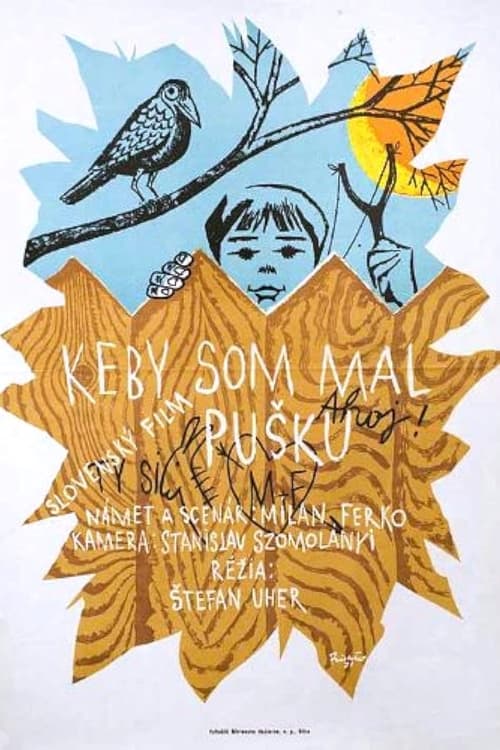
Vlado, an intelligent boy living in a small village, has fantasies that take him away from his humdrum life. But as the Nazi occupation begins to encroach on the townsfolk his fantasies and reality begin to merge.
2021
1998

1963
1969
1964

1989
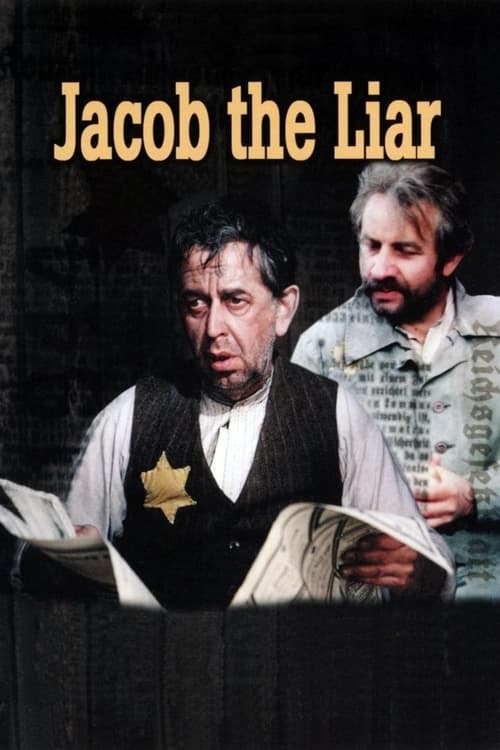
1974

1967
No reviews yet. Be the first to share your thoughts on this movie!
Use the rating form above to leave a star rating and optional review.