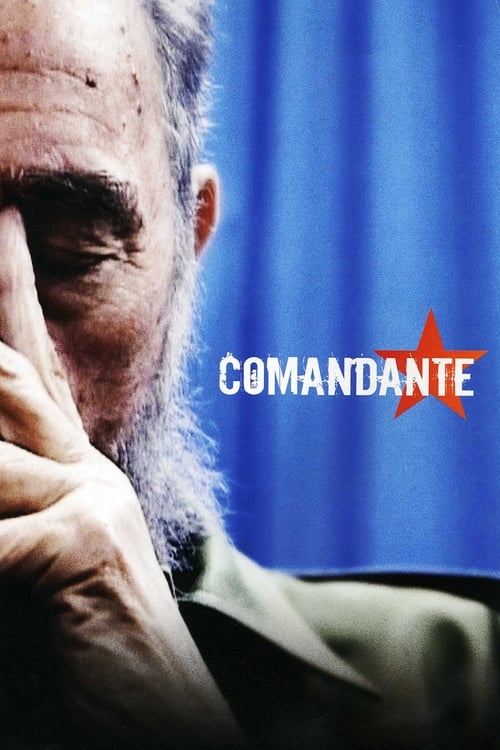
Comandante
2003
No user ratings available yet
Representation score: 3.9 out of 10
No Poster Available
Representation Score
Excellent
2012
Director
Oliver Stone
Runtime
56 minutes
Average Rating
No ratings yetNew Showbiz Analysis
Oliver Stone’s documentary serves as a tool for narrative disruption, intentionally challenging Western-centric historical hegemony. By providing a platform for a non-Western revolutionary, the film deconstructs traditional political frameworks often found in mainstream media. The film's strength lies in its ability to elevate a non-Anglo-Saxon perspective, allowing for a systemic critique of American foreign policy and capitalism. This approach shifts the focus from standard Western discourse to a more complex, global viewpoint. However, the film lacks depth in specific identity-based categories. While it avoids derogatory clichés, it offers little representation regarding LGBTQ+ identities or dedicated explorations of disability and neurodivergence.
Category Breakdown
The documentary focuses on Fidel Castro's personal and political reflections. There are no explicit LGBTQ+ character arcs or narratives involving non-straight identities.
The film moves beyond militaristic masculinity by placing a retired leader in a domestic, familial setting. However, the score is limited by a lack of prominent roles for women in the dialogue.
The film disrupts Anglo-centric historical perspectives by centering a non-Western figure. It provides high ability to act to a person of color to critique global power structures from a position of authority.
The narrative challenges Western institutional dominance by prioritizing a non-Western political model. It presents Castro as a complex historical actor rather than a villainous archetype.
The film touches on Castro's recovery from colon surgery. This serves as a biographical detail regarding his physical vulnerability rather than a dedicated exploration of disability.
Present on Screen
Limited or Absent
Official Synopsis
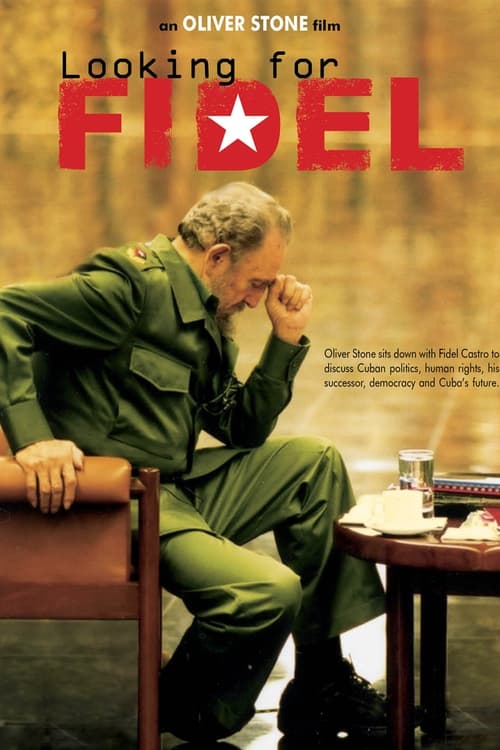
After directing two documentaries on Fidel Castro in 2002 ("Comandante") and 2003 ("Looking for Fidel"), filmmaker Oliver Stone returned to interview Castro in 2009 for the first in-depth conversation since Castro had stepped down as president and recovered from colon surgery. In this new film, Castro is interviewed at home, surrounded by his family. The stimulating conversation is friendly and casual, as Castro offers his perspective on current leaders such as President Barack Obama and Secretary of State Hillary Clinton, as well as controversial events such as the coup in Honduras, upheaval in Iran, and the collapse of the Soviet Union's effect on the Cuban economic model. Castro also reflects on some of the defining moments of his life during the last 50 years, including John F. Kennedy's assassination and the Cuban Missile Crisis.
2003
2017
2004
2012
2014
2012
2014
2019
No reviews yet. Be the first to share your thoughts on this movie!
Use the rating form above to leave a star rating and optional review.