Comandante
2003
No user ratings available yet
Representation score: 3.9 out of 10
Representation Score
Good
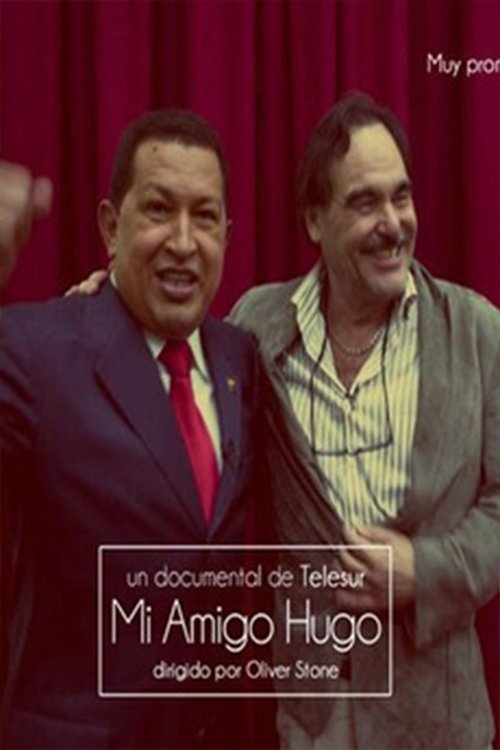
2014
Director
Oliver Stone
Runtime
52 minutes
Average Rating
No ratings yetNew Showbiz Analysis
Oliver Stone’s documentary serves as a powerful subversion of traditional Western geopolitical narratives. By centering Hugo Chávez and South American voices, the film successfully disrupts the conventional Anglo-Saxon gaze often found in political media. The strength of the work lies in its cultural and racial centering, providing ability to act to non-Western subjects. It moves beyond standard political reporting to explore identity-driven power dynamics in the Global South. However, the film remains largely confined to a masculine political framework. It lacks significant representation of LGBTQ+ identities or a focused effort to deconstruct gender hierarchies.
Category Breakdown
The film focuses on geopolitical leadership and personal friendship. There is no significant evidence of non-traditional gender identities or narratives that critique the assumption that everyone is straight or cisgender.
The narrative centers on the masculine sphere of international politics and the bond between two men. It does not actively prioritize women's ability to drive the story or deconstruct patriarchal structures.
The documentary excels by centering South American voices and moving away from Anglo-Saxon perspectives. It provides high ability to act to characters of color through Latin American testimonies.
The film challenges Western moral superiority by using personal testimony and systemic perspectives. It prioritizes a subjective morality that deconstructs established global power dynamics.
There is no discernible focus on visible or invisible disabilities within the documentary context.
Present on Screen
Limited or Absent
Official Synopsis
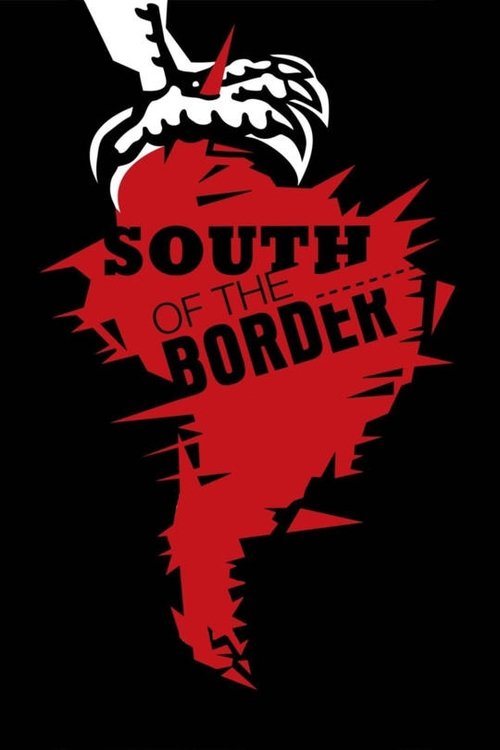
Oliver Stone presents a tribute to a friend one year after his death, the friend in question was the Venezuelan leader, Hugo Chávez. The documentary covers the time Stone and Chávez spent while making "South of the Border", when they developed a close relationship; and the testimonies from South America leaders and people close to Chávez to talk about their views on the man and the politician and share some personal stories they had with him.
2003
2017
2008
2019
2012
2012
2009
2015
No reviews yet. Be the first to share your thoughts on this movie!
Use the rating form above to leave a star rating and optional review.